Applying for a loan online can be a convenient way to research finance options, compare features and start an application from home or work. However, an online loan application is still a formal credit process. Lenders will generally assess your identity, income, expenses, debts, credit history and the purpose of the loan before deciding whether to offer finance and on what terms.
This guide explains the main eligibility factors, documents and considerations Australians generally need to understand before applying for a loan online. It is general information only and does not take into account your objectives, financial situation or needs.
What types of loans can be applied for online?
Online loan applications in Australia may relate to several types of borrowing, including:
- Personal loans for purposes such as debt consolidation, travel, renovations or major purchases.
- Car loans or vehicle finance, which may be secured against the vehicle or structured in other ways.
- Home loans for buying, refinancing or potentially investing in residential property.
- Business loans for working capital, equipment, cash flow or expansion.
- Short-term or specialist finance, which may have different eligibility criteria, costs and risks.
Each loan type has different documentation requirements, pricing factors and risks. For example, a home loan may involve property valuation and deposit requirements, while a business loan may require financial statements, tax information and evidence of trading history.
If you are researching borrowing as part of a property decision, it may also help to understand the broader risks and costs of property ownership. See Investment Property Basics for general information on property investment considerations.
Loan eligibility: what lenders usually assess
Loan eligibility is not based on one factor alone. A lender may consider whether the loan appears affordable, whether the application fits its credit policy and whether the borrower meets product-specific requirements.
Common factors include:
- Income and employment: This may include salary, wages, self-employment income, rental income or business revenue, depending on the loan type.
- Existing debts: Credit cards, personal loans, car loans, home loans, buy now pay later arrangements and other liabilities may be taken into account.
- Living expenses: Lenders usually assess regular costs such as housing, food, utilities, transport, insurance, childcare and other commitments.
- Credit history: Your credit report may show previous applications, repayment conduct, defaults or other credit information.
- Assets and savings: Savings history, deposit funds, vehicles, property or business assets may be relevant.
- Loan purpose: Lenders may assess whether the purpose is acceptable under their policy and whether the proposed loan type is appropriate for that purpose.
- Security: For secured loans, the lender may assess the asset being used as security, such as a property, car or equipment.
Meeting basic eligibility criteria does not guarantee approval. Lenders and brokers may apply different policies, and outcomes depend on your individual circumstances and the provider's assessment process.
Credit checks in Australia
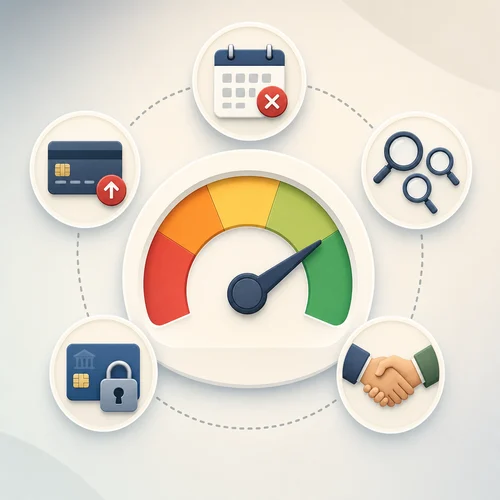
When you apply for credit, the lender may check your credit report. In Australia, a credit report can include information such as current credit accounts, previous credit enquiries, repayment history information, defaults and other credit-related records.
A credit enquiry may be recorded when you make a formal application. Multiple applications within a short period can affect how some lenders view your credit profile, particularly if they suggest financial stress or repeated declined applications.
Before applying, it can be useful to check your own credit report and correct any errors. If there are missed payments, defaults or other issues, you may want to understand how they could affect your application before submitting multiple online forms.
Documents commonly needed for an online loan application
The documents required will depend on the loan, lender, employment type and application complexity. Online systems may allow you to upload files, connect bank statements digitally or provide information through secure forms.
| Applicant type or loan situation | Documents commonly requested |
|---|---|
| Employee applying for a personal loan or car loan | Identification, recent payslips, bank statements, details of debts and regular expenses |
| Home loan applicant | Identification, income evidence, savings or deposit evidence, statements for debts, details of assets and liabilities, property information if available |
| Self-employed applicant | Identification, tax returns, financial statements, business activity statements or accountant-prepared information, depending on lender requirements |
| Small business loan applicant | Business identification details, financial statements, bank statements, tax information, cash flow information, details of business debts and loan purpose |
| Refinance applicant | Current loan statements, repayment history, property or asset details, income and expense information |
Make sure documents are current, complete and consistent with the information entered in the application. Incomplete or inconsistent information can delay assessment or lead to further questions.
Secured and unsecured loans
A key consideration is whether the loan is secured or unsecured.
Secured loans are linked to an asset, such as a property, vehicle or business equipment. If the borrower does not meet the loan obligations, the lender may have rights in relation to the secured asset, subject to the loan agreement and applicable laws.
Unsecured loans are not tied to a specific asset in the same way, but the borrower is still legally responsible for repayments. The lender may still take recovery action if repayments are not made.
Secured and unsecured loans can differ in interest rates, fees, loan amounts, terms and eligibility requirements. The right structure depends on the loan purpose, your circumstances and the lender's criteria.
Interest rates, fees and comparison rates
When researching online loans in Australia, it is important to look beyond the advertised interest rate. The total cost of borrowing may include:
- interest charges;
- establishment or application fees;
- monthly or annual account fees;
- valuation, settlement or legal fees for some secured loans;
- early repayment, break or discharge fees where applicable;
- late payment or default-related fees.
For some consumer credit products, a comparison rate may be displayed to help show the cost of the loan including certain fees and charges. However, a comparison rate is based on assumptions and may not reflect your exact loan amount, term, features or personal pricing. Always review the loan contract and fee schedule before accepting an offer.
Repayments and affordability
Before applying, consider whether repayments would remain manageable if your circumstances changed. Examples include reduced income, higher living costs, a business slowdown, unexpected expenses or interest rate changes on variable-rate products.
Questions to ask include:
- What will the regular repayment be?
- Is the rate fixed, variable or a combination?
- How long is the loan term?
- Will a longer term reduce repayments but increase total interest paid?
- Are extra repayments allowed?
- Is there a redraw facility or offset arrangement, where relevant?
- What happens if a repayment is missed?
Being approved for a loan does not necessarily mean the loan is comfortable for your budget. Consider your own cash flow and financial resilience before proceeding.
Online applications and data security
Online applications often involve sharing personal and financial information. Before entering details, check that you understand who is collecting the information, how it may be used and whether it may be shared with lenders, brokers, credit reporting bodies or service providers.
Practical steps include:
- using secure internet connections rather than public Wi-Fi;
- checking the website address carefully before entering personal details;
- reading privacy and consent statements before submitting forms;
- being cautious about unsolicited loan offers or pressure to act quickly;
- keeping copies of important loan documents and correspondence.
Legitimate lenders and intermediaries should provide clear information about the application process, key terms and how your data is handled.
Using lenders, comparison sites and brokers
Australians may apply directly with a lender, use an online comparison or enquiry service, or seek help from a broker. Each pathway can work differently.
- Direct lender application: You deal with one lender and its products.
- Comparison or enquiry service: You may compare general features or be matched with providers, depending on the service.
- Broker-assisted application: A broker may help assess options across a panel of lenders and assist with documents, subject to their licence, panel and obligations.
If you want assistance navigating provider requirements, you can learn more about broker pathways through the Brokers page. Broker availability, lender access and outcomes depend on individual circumstances and the providers involved.
You can also explore broader online financial services resources to understand how different finance, insurance and planning tools may support your research.
Common mistakes to avoid before applying online
Many application issues arise before the lender begins assessment. Common mistakes include:
- Applying without checking affordability: A loan may fit lender criteria but still strain your budget.
- Submitting several applications at once: Multiple formal credit enquiries may affect how lenders view your profile.
- Guessing income or expenses: Inaccurate information can delay assessment or create inconsistencies.
- Ignoring fees: The interest rate is only one part of the total cost.
- Not reading conditions: Loan offers may include conditions that must be satisfied before funds are advanced.
- Overlooking secured loan risks: If an asset is used as security, understand what that means if repayments are not made.
- Borrowing more than needed: A larger loan can mean higher repayments and more interest over time.
Checklist before starting an online loan application
Before you submit an online loan application, it may help to work through a simple checklist:
- Clarify the loan purpose and amount needed.
- Estimate repayments and consider whether they fit your budget.
- Review your income, expenses, assets and debts.
- Check whether your documents are current and complete.
- Understand whether the loan is secured or unsecured.
- Compare interest rates, fees, features and conditions.
- Read privacy, consent and credit check information.
- Consider whether you need professional or broker assistance.
- Avoid submitting multiple applications unless you understand the potential credit report impact.
- Read the loan contract carefully before accepting any offer.
Final thoughts
Online loan applications can make the borrowing process more accessible, but they do not remove the need for careful research. Eligibility, approval, pricing and conditions depend on the lender's criteria and your individual circumstances.
Taking time to understand your documents, credit profile, repayments, fees and obligations can help you approach the process more confidently and reduce the risk of avoidable delays or unsuitable borrowing decisions.