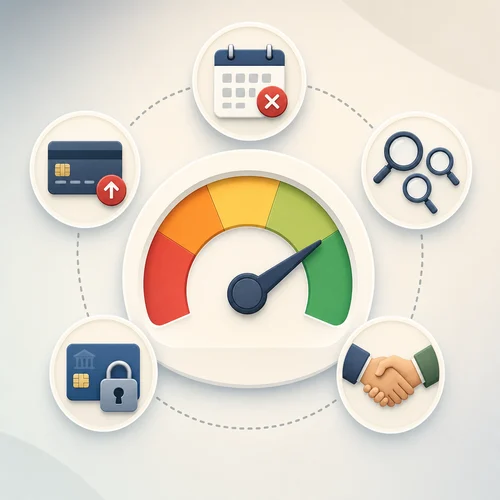
When you apply for a personal loan in Australia, the lender will usually ask questions about your income, regular expenses, debts, employment and the purpose of the loan. These questions are not just administrative. They form part of responsible lending checks designed to assess whether the loan is likely to be suitable and affordable for your situation.
Responsible lending personal loans assessments help lenders and credit assistance providers understand whether you can meet repayments without undue financial pressure. They also explain why accurate information, supporting documents and realistic borrowing amounts matter during a personal loan application.
What responsible lending means for personal loans
Responsible lending is the broad term used for the checks and obligations that apply when credit is provided to consumers in Australia. For many personal loans, lenders must assess whether the loan would be unsuitable for the borrower before approving it.
In practical terms, this usually means the lender considers whether:
- the loan meets your stated requirements and objectives;
- you are likely to be able to make repayments when they fall due;
- you could repay the loan without substantial hardship;
- the loan amount, term and repayment structure make sense for the purpose you have described; and
- the information provided can be reasonably verified.
This is general information only. The exact checks can vary depending on the lender, product, application channel and your circumstances.
Why lenders check income, expenses and suitability
Lenders check income and expenses because a personal loan creates a legal repayment obligation. A loan may look manageable based on the headline repayment, but the lender also needs to consider your broader financial position.
For example, two applicants may earn the same income but have very different affordability profiles. One may have low rent, no dependants and limited existing debt. Another may have high living costs, several credit cards and variable income. Responsible lending checks help a lender look beyond the loan amount and consider whether repayments are realistic.
Suitability is also about the purpose of the loan. A lender may ask whether the funds are for debt consolidation, a vehicle, medical costs, travel, home improvements or another personal expense. This helps the lender understand whether the requested product and loan structure align with what the applicant says they need.
What lenders commonly review in a personal loan suitability assessment
A loan suitability assessment is not based on one factor alone. Lenders typically look at a combination of information and may apply their own credit criteria.
| Assessment area | Why it matters |
|---|---|
| Income | Helps confirm whether you have a reliable source of funds to meet repayments. |
| Employment or work pattern | Shows how stable or variable your income may be, including casual, contract or self-employed income. |
| Living expenses | Helps estimate how much money is available after essential and regular spending. |
| Existing debts | Shows your current repayment commitments, such as credit cards, car loans, buy now pay later accounts or other personal loans. |
| Credit history | Helps the lender understand past repayment behaviour, credit enquiries and existing credit limits. |
| Loan purpose | Helps determine whether the loan is appropriate for your stated needs and objectives. |
| Loan amount and term | Influences repayment size, total interest cost and whether the loan appears proportionate to your needs. |
How lender verification usually works
Lender verification means checking that key details in the application are accurate and supportable. This does not always mean every applicant will be asked for the same documents, but common information can include:
- recent payslips or income statements;
- bank statements showing income and spending patterns;
- details of rent, mortgage payments or board;
- statements for credit cards, existing loans or other debts;
- proof of identity;
- business or tax documents for self-employed applicants; and
- information about Centrelink payments or other regular income, where relevant.
The lender may also obtain a credit report as part of the assessment. A credit report can show credit enquiries, defaults, repayment history and existing credit accounts. The way this information affects an application depends on the lender's criteria and the applicant's overall position.
What "affordable" does and does not mean
Affordability is not the same as simply having enough money in your account on the day you apply. Lenders generally need to consider whether repayments are sustainable over the life of the loan.
An affordability check may take into account regular bills, transport, food, insurance, childcare, school costs, subscriptions, existing credit commitments and other ongoing expenses. Some expenses may be based on what you declare, while others may be checked against bank statements or assessed using lender methods.
It is important to be realistic. Understating expenses or omitting debts may create delays, lead to follow-up questions or result in an application being declined if the information cannot be verified. It may also increase the risk of taking on repayments that are difficult to manage.
How responsible lending checks affect your application
Responsible lending checks can influence the outcome of a personal loan application in several ways. Depending on the assessment, a lender may:
- approve the requested amount, subject to final checks and contract terms;
- offer a lower loan amount than requested;
- suggest a different loan term or repayment structure;
- ask for more information or documents;
- decline the application; or
- decide the loan does not meet its suitability or credit criteria.
An application outcome is never based only on one document or one answer. Lenders consider the overall picture, including income, expenses, credit history, existing debts and the loan's purpose. Approval, pricing and loan terms depend on individual circumstances and provider criteria.
The role of brokers and comparison services
If you use a broker or comparison service, they may ask many of the same questions before your application reaches a lender. This can help identify loan options that may be more closely aligned with your circumstances, but it does not remove the lender's own assessment process.
A broker or credit assistance provider may help gather information, explain documentation requirements and submit details to participating lenders. However, the lender still makes its own credit decision, and no broker or comparison service can guarantee approval, pricing or suitability.
If you are still comparing options, you can compare personal loan options and review eligibility factors before submitting a formal application.
How to prepare for personal loan checks in Australia
Preparation can make the process smoother and reduce the chance of avoidable delays. Before applying, consider the following steps:
- Review your budget: Check your regular income, essential expenses and discretionary spending.
- List all debts: Include credit cards, buy now pay later balances, other loans and any regular repayment arrangements.
- Check your credit report: Look for errors, unfamiliar accounts or outdated information that may need attention.
- Gather documents early: Payslips, bank statements and identification are commonly requested.
- Borrow only what you need: A larger loan may mean higher repayments and more interest over time.
- Be consistent: Make sure the information in your application matches your documents.
- Consider repayment stress: Think about whether repayments would remain manageable if your expenses increased or income changed.
A repayment estimate can also help you understand how different loan amounts and terms may affect your budget. You can use a personal loan calculator as a starting point, noting that actual repayments, rates and fees depend on the lender and final loan terms.
Common reasons lenders ask follow-up questions
Follow-up questions do not always mean something is wrong. They may simply mean the lender needs to clarify information before making a decision. Common reasons include:
- income that appears irregular or has recently changed;
- large or unexplained transactions in bank statements;
- expenses that appear higher or lower than expected;
- recent credit enquiries or new debts;
- incomplete documents;
- differences between declared information and supporting records; or
- a loan purpose that needs more detail.
Responding promptly and accurately can help the lender complete its assessment. If you are unsure why a document is needed, ask for an explanation before submitting incomplete or unclear information.
What if your loan is declined after responsible lending checks?
A declined application can be frustrating, but it may also signal that the loan was not considered affordable or suitable under the lender's criteria. If this happens, you can ask the lender whether it can provide general reasons for the decision. Some information may be limited, but you may be able to identify areas to improve before applying again.
Depending on the reason, useful next steps may include reducing existing debt, correcting credit report errors, improving savings habits, lowering the requested loan amount or waiting until your income is more stable. Avoid submitting multiple applications in a short period without understanding why the first application was unsuccessful, as repeated credit enquiries may affect how some lenders view your profile.
Key takeaway
Responsible lending checks are a normal part of applying for a personal loan in Australia. They are designed to help lenders assess whether the loan is suitable for your stated needs and affordable based on your financial situation.
The most helpful approach is to provide accurate information, understand your budget and ask questions if you are unsure why something is required. A careful assessment may feel detailed, but it helps reduce the risk of taking on a loan that does not fit your circumstances.