Start with how you plan to ride
Before inspecting listings, be clear about what you need the motorcycle to do. A bike that works well for short city commutes may not be the best option for long weekend touring, regular highway riding or off-road use.
Consider your usual riding environment, the distances you expect to cover and whether you will carry a passenger or cargo. These details help narrow your search to motorcycles that match your lifestyle rather than bikes that only appeal because of their appearance or price.
Do: set a realistic used-bike budget
The purchase price is only one part of the cost of buying a used motorcycle. A bike that appears inexpensive may still need maintenance, repairs, tyres, accessories, insurance or registration before it is practical to own and ride.
When comparing used motorcycles, allow room in your budget for any work that may be needed after purchase. If you are considering finance, review the loan terms, interest rate, fees and repayment obligations before committing, rather than focusing only on whether the monthly repayment appears manageable.
Do: research the model before you inspect it
Researching the motorcycle model can help you understand whether it is likely to suit your riding purpose, experience level and comfort needs. Look into the model's general reputation, common owner feedback and reliability considerations before arranging an inspection.
Specifications can also help you shortlist options, but they should not be the only deciding factor. Seat height, weight, riding position and handling can make a significant difference to comfort and control, especially when comparing bikes that look similar on paper.
Do: inspect the motorcycle in person
Never rely only on photos, listing descriptions or the seller's summary. Images can miss important details, and a brief description may not reveal wear, damage or signs of poor maintenance.
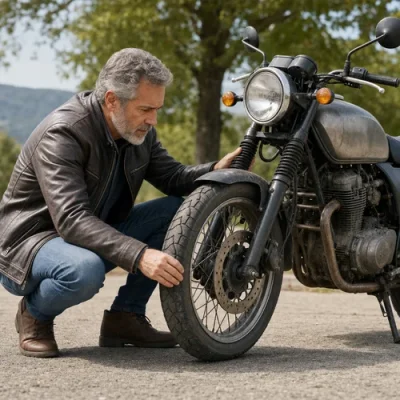
Arrange to see the motorcycle in person and give yourself enough time to inspect it carefully. Look for signs that match the bike's age, use and claimed condition. A clean or freshly polished motorcycle can still have mechanical or maintenance issues, so do not judge condition by appearance alone.
Used motorcycle inspection points to consider
| Area to check | Why it matters |
|---|---|
| General condition | Visible wear, damage or neglect may indicate how the motorcycle has been treated. |
| Service history | Records can help show whether regular maintenance has been carried out. |
| Tyres, brakes and controls | These affect safety, handling and potential near-term maintenance costs. |
| Frame, bodywork and fittings | Damage or poorly repaired parts may point to previous incidents or rough use. |
| Ownership or title history | Unclear or confusing history can create legal or financial complications. |
Do: check service history and maintenance evidence
A used motorcycle's service history is one of the most useful pieces of information you can review. Regular maintenance can indicate that the bike has been looked after, while missing or inconsistent records may require closer inspection.
Ask questions about previous servicing, repairs and any parts that may soon need attention. If the seller cannot explain the bike's maintenance history clearly, factor that uncertainty into your decision.
Do: take a test ride where practical
A test ride can reveal issues that are not obvious when the motorcycle is stationary. It also helps you assess whether the bike feels comfortable and controllable for your size, riding style and intended use.
During a test ride, pay attention to the seating position, handlebar reach, throttle response, braking feel, manoeuvrability and whether anything feels unusual. If you are not confident assessing the motorcycle yourself, consider arranging a professional inspection before buying.
Don't: ignore seller red flags
Seller behaviour can be as important as the motorcycle itself. Be cautious if the seller avoids direct questions, is reluctant to provide information or pressures you to make a fast decision.
Also be wary of motorcycles with unclear titles, confusing ownership history or explanations that do not match the condition of the bike. If a deal appears too good to be true, slow down and check the details carefully.
Don't: rush into the purchase
Impulse buying can lead to regret, especially with used motorcycles where condition and history vary from bike to bike. A motorcycle may look appealing in a listing or feel exciting in the moment, but it still needs to meet your practical needs and pass reasonable checks.
Give yourself time to compare options, review your budget and consider any repairs or maintenance that may be required. If the motorcycle does not meet your priorities, or the seller cannot answer key questions, it is reasonable to walk away.
Don't: overlook gear and ownership preparation
Although the motorcycle is the main purchase, ownership also involves preparing to ride safely and maintain the bike. Protective gear such as a helmet, jacket, gloves and boots should be considered as part of the overall cost of getting on the road.
It is also sensible to plan for regular maintenance such as servicing, tyre checks and brake assessments. These routines help keep the motorcycle in better condition and may reduce the likelihood of avoidable issues later.
Final checklist before buying a used motorcycle
- Confirm the motorcycle suits your riding purpose, typical roads and distance needs.
- Check whether the bike is comfortable for your height, reach and confidence level.
- Research the model's reputation, owner feedback and reliability considerations.
- Inspect the motorcycle in person rather than relying on photos.
- Review service history and ask about maintenance or repairs.
- Take a test ride where practical and safe to do so.
- Allow for repairs, maintenance, insurance, registration and riding gear in your budget.
- Be cautious of unclear ownership history, evasive sellers and rushed deals.
- Consider a professional inspection if you are unsure about the bike's condition.
- Negotiate respectfully, but be prepared to walk away if the deal does not feel right.
Conclusion
Choosing a used motorcycle requires patience, research and careful inspection. By matching the bike to your riding needs, checking its condition and service history, allowing for ownership costs and watching for red flags, you can make a more informed decision.
A used motorcycle should be assessed on its overall suitability and condition, not just its price or appearance. Taking the time to inspect, test and verify the details can help you avoid common mistakes before committing to a purchase.