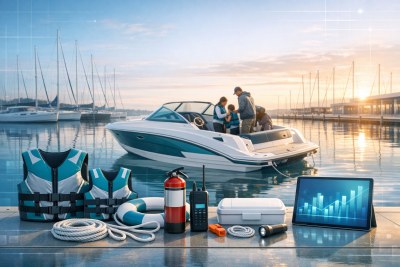
For anyone arranging boat finance, that safety focus has a direct budgeting lesson. The purchase price is only the starting point. A compliant and ready-to-use boat may also require life jackets, distress signals, navigation lights, fire safety equipment, radios, anchors, first-aid supplies, registration, licensing and insurance. On a used boat, buyers may also need to allow for servicing, battery replacement, trailer work, tyre upgrades or safety gear that is out of date.
This is where finance planning can become more realistic. A loan sized only around the advertised sale price may leave little room for the items that make ownership legal, safe and comfortable. Buyers should consider whether some upfront costs will be paid from savings, included in the broader purchase budget or staged over time. That decision can affect repayments, cash flow and the level of financial buffer available after settlement.
The safety push is also an extension of the earlier personal watercraft safety discussion, particularly where jet skis and high-performance craft share busy waterways with families, anglers, paddlers and larger vessels. For these buyers, the finance question is not just whether the craft is affordable, but whether training, storage, protective gear and insurance have been properly allowed for.
Used boat buyers should be especially careful. A well-priced vessel can still become expensive if a pre-purchase inspection identifies deferred maintenance or missing compliance equipment. Lenders may assess the age, condition and value of the boat differently, so buyers should avoid assuming every vessel will attract the same finance structure or interest rate.
Before committing, it is sensible to compare loan terms, fees and repayment flexibility alongside the vessel’s total setup cost. Factoring in ongoing ownership costs can help prevent a dream purchase from becoming a cash-flow strain once the first season begins.
The key takeaway is simple: safety preparation is not separate from finance preparation. A boat that is affordable on paper should also be affordable to equip, maintain, insure and operate responsibly. Buyers who build those costs into the plan from the start are better placed to enjoy the water with confidence.
Please Note: We do not endorse any specific products or companies. Some content is sourced from third parties, including press releases, and may not be independently verified for accuracy or completeness.