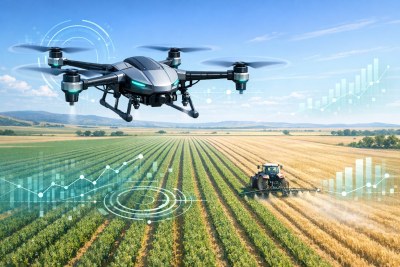
The appeal is easy to understand. A drone can reach wet, steep or awkward paddocks without putting a larger machine on the ground. It can help identify crop stress earlier, reduce unnecessary vehicle hours, improve labour efficiency and support more targeted chemical or fertiliser decisions. In some situations, it may complement a boom spray, ute, quad bike or contractor arrangement rather than replace them outright.
However, the finance decision is more complex than buying a single piece of hardware. A practical drone package may include batteries, charging equipment, spray tanks or spreader attachments, mapping sensors, software subscriptions, data storage, training, maintenance and insurance. Larger payload machines may also bring regulatory, chemical handling and operator competency requirements. Those costs need to be assessed together, not treated as afterthoughts.
For growers already reviewing autonomous machinery, precision spraying or digital guidance systems, drones are another example of equipment becoming more technology-heavy. This is an extension of the broader automation story: the asset itself matters, but so does the support ecosystem around it. Finance structures may need to account for shorter technology cycles, upgrade pathways and the possibility that software or sensor performance becomes just as important as mechanical durability.
Cash flow timing also deserves attention. A drone bought for pre-sowing weed checks, in-crop monitoring or harvest logistics may deliver value at specific points in the season, while repayments continue year-round unless structured otherwise. Farmers should estimate repayments against conservative productivity assumptions, then test whether the purchase still makes sense if seasonal conditions delay use or reduce the expected saving.
The strongest business cases are likely to come where the drone solves a clearly identified bottleneck: too few labour hours, hard-to-access country, high contractor costs, slow crop diagnosis or the need for more frequent monitoring. As with any farm equipment finance decision, the question is not simply whether the technology is impressive. It is whether the full package improves the farm’s operating position enough to justify the capital cost, finance term and ongoing support obligations.
Please Note: We do not endorse any specific products or companies. Some content is sourced from third parties, including press releases, and may not be independently verified for accuracy or completeness.