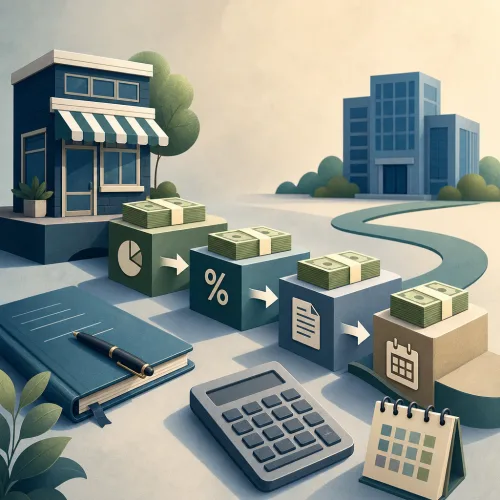

The issue is not simply that the ATO is pursuing overdue amounts. It is that many SMEs are already managing thinner margins, higher operating costs and more cautious consumer demand. When tax arrears accumulate, they can reduce borrowing flexibility, complicate refinancing and place directors under greater personal pressure where obligations such as PAYG withholding or superannuation guarantee amounts are involved.
This story extends the themes raised in our previous tax-time warning: rushed decisions and incomplete financial records can flow through to future borrowing capacity. A lender assessing a business will usually look closely at tax portals, repayment arrangements, aged payables and whether the business has a realistic plan to clear liabilities. A tax debt that is being actively managed may be viewed very differently from one that appears ignored or escalating.
For SMEs considering external funding, the practical lesson is to act before pressure becomes urgent. Waiting until a payment deadline, default notice or supplier squeeze often limits the available options. Businesses with current management accounts, up-to-date BAS lodgements and a clear cash flow forecast are generally in a stronger position to discuss working capital finance, a short-term business loan or a line of credit.
It is also important to compare the true cost of using finance to manage tax obligations. Rolling tax debt into a business loan may improve certainty and preserve supplier relationships, but only if the repayments are affordable under realistic revenue assumptions. Owners should estimate repayments before committing, including fees, repayment frequency and any seasonal downturns that could affect cash flow.
Tax debt should not automatically be replaced with commercial debt. In some cases, a structured ATO payment arrangement may still be the most sensible path. In others, consolidating obligations or securing working capital may help stabilise the business. The key is to compare options early, keep records clean and avoid using high-cost credit as a default solution. For Australian SMEs, the message is clear: tax planning and finance planning now need to happen together.
Please Note: If this information affects you or is relevant to your circumstances, seek advice from a licensed professional.