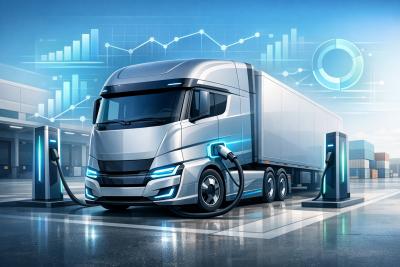

The two-year Victorian Electric Heavy Vehicle Trial is valued at $1.5 million and is being delivered by the Victorian Government in partnership with the Victorian Transport Association. It will examine how electric heavy vehicles perform in day-to-day freight work, including charging needs, maintenance requirements, driver training, vehicle availability and overall performance.
That matters because electric truck investment is still a more complex finance decision than simply comparing a diesel purchase price against an electric one. Operators need to understand route suitability, depot charging capacity, downtime risk, payload impacts and whether lower energy and servicing costs can offset higher upfront costs over the loan term.
For owner-drivers and small to medium fleets, this kind of data could become especially useful when preparing a lending application. Financiers generally want confidence that the asset will earn reliably, hold appropriate value and fit the borrower’s contract profile. Evidence from commercial trials may help sharpen assumptions around utilisation, maintenance savings and infrastructure spending.
Victoria’s freight sector is a significant part of the state economy, contributing about $36 billion and employing around 240,000 people. With roughly 440 million tonnes of freight moved each year and volumes expected to rise, the pressure to reduce emissions without undermining productivity will only increase.
However, operators should avoid treating the trial as a green light for every use case. Electric trucks may be well suited to predictable metro routes, depot-based charging and high daily utilisation, but regional freight, long-haul work and irregular routes may still require a more cautious approach.
Before committing to an electric heavy vehicle, businesses may wish to consider looking at ways model repayments alongside energy costs, charger installation, maintenance assumptions, tax treatment and likely resale value.
The bigger takeaway is that electric truck finance is becoming less theoretical. As trial data builds, lenders and operators should gain a clearer view of where battery-electric heavy vehicles can deliver commercial value, and where diesel or hybrid alternatives still make stronger financial sense.
Please Note: If this information affects you or is relevant to your circumstances, seek advice from a licensed professional.