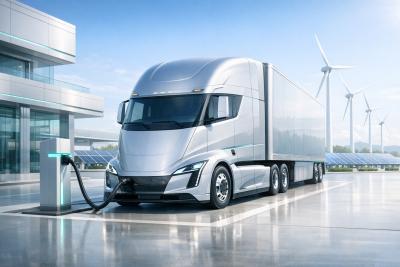

Central Coast-based company Janus Electric is at the forefront of this transition, converting diesel trucks to electric power using modular, swappable battery systems. Despite the initial conversion cost of approximately $175,000 per truck, plus additional expenses for charging equipment and spare batteries, the long-term savings on fuel and maintenance are compelling more operators to consider electrification.
For instance, some trucking companies have reported weekly fuel bill increases of up to $500,000, making the switch to electric vehicles a financially prudent decision. Janus Electric's battery swap system addresses concerns about downtime associated with charging, allowing trucks to remain operational with minimal interruption.
However, challenges remain, particularly for sectors like waste management, where the weight of electric batteries and the need for rapid turnaround times pose operational hurdles. Despite these obstacles, the overall trend indicates a growing acceptance of electric trucks in Australia's freight industry.
For small to medium business owners and self-employed individuals, this shift presents an opportunity to modernise fleets, reduce operating costs, and align with global sustainability goals. As the infrastructure for electric vehicles continues to develop, the adoption of electric trucks is poised to become a mainstream solution in the Australian transport sector.
Please Note: If this information affects you or is relevant to your circumstances, seek advice from a licensed professional.