
Changes to EV Tax Exemptions
Since 2022, the FBT exemption has been a pivotal incentive, allowing eligible EVs to be salary packaged without attracting FBT, thereby reducing running costs for many buyers. This policy has significantly contributed to the adoption of over 100,000 EVs on Australian roads.
Under the new budget measures:
- April 2027: EVs priced above $75,000 will lose part of the FBT exemption.
- April 2029: The exemption will be progressively reduced, eventually covering all EVs.
The government anticipates that these changes will recover approximately $1.9 billion over five years, addressing the escalating costs of the scheme, which have exceeded initial forecasts.
For individuals considering an EV purchase, the current FBT exemption remains in place until the phase-out begins. This provides a window of opportunity to benefit from the existing tax advantages before the changes take effect.
Investment in Charging Infrastructure
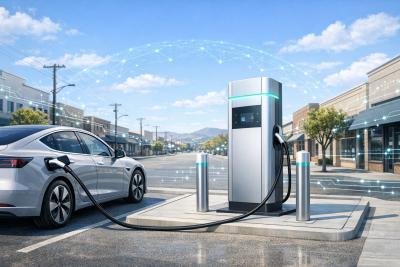
In addition to tax policy adjustments, the budget allocates $40 million over four years to enhance EV charging infrastructure, focusing on regional and kerbside projects. This investment aims to:
- Improve charging access for apartment residents.
- Support regional communities.
- Facilitate long-distance travel for EV owners.
Furthermore, Australia Post will receive $40.5 million to support the electrification of its delivery fleet, aligning with the broader goal of reducing transportation emissions.
Road-User Charge Delayed
Despite ongoing discussions about implementing a national road-user charge for EVs to compensate for declining fuel excise revenue, the government has opted to delay this measure. Legal and constitutional concerns have influenced this decision, allowing more time for comprehensive policy development.
Implications for EV Owners and Buyers
The 2026 Federal Budget signals a shift in Australia's approach to EV adoption, moving from aggressive incentives to a more balanced strategy that includes infrastructure development and long-term taxation reform. Current and prospective EV owners should consider these changes when planning their vehicle purchases and financial arrangements.
For those contemplating an EV purchase, acting before the FBT exemption phase-out begins in April 2027 could result in substantial tax savings. Additionally, the planned expansion of charging infrastructure is expected to enhance the practicality and convenience of EV ownership across the country.
Please Note: If this information affects you or is relevant to your circumstances, seek advice from a licensed professional.