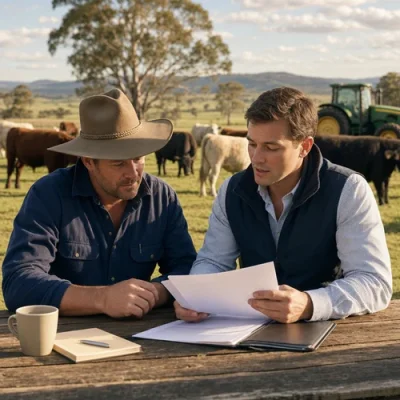
How to control farm insurance costs without creating new gaps
Australian farms face a wide mix of risks, including severe weather, machinery breakdown, theft, liability exposure, crop losses, livestock events and interruptions to normal operations. The aim of cost management is not simply to buy the cheapest policy. It is to make sure the cover reflects the farm's real risk profile, asset values and ability to absorb a loss.
Before making changes to a policy, it helps to understand the main areas that can affect premiums: the type and value of assets insured, the likelihood of claims, the farm's location, chosen excess levels, policy inclusions, payment frequency and the insurer's assessment of risk controls. For a broader explanation of common policy sections, see this guide to what farm insurance may cover in Australia.
Quick summary: cost-control options and what to check
| Strategy | How it may affect cost | What to check before changing cover |
|---|---|---|
| Review insured assets and limits | Can reduce over-insurance and identify under-insurance | Current replacement values, market values, seasonal stock and business changes |
| Compare policy options | May reveal different premiums, excesses and inclusions | Exclusions, sub-limits, claims process and whether the policy fits the operation |
| Bundle policies | May attract a multi-policy discount | Whether each policy remains appropriate on its own merits |
| Increase the excess | May reduce the premium | Whether the farm can comfortably fund the excess at claim time |
| Improve safety and security | May support a stronger risk profile | Documented maintenance, training, locks, alarms, CCTV and procedures |
| Pay annually | May avoid instalment fees or attract an upfront payment discount | Seasonal cash flow and whether funds are available when the premium is due |
1. Understand the risks that are specific to your farm
No two farms have the same insurance needs. A grazing operation, grain property, mixed farm, horticultural enterprise or small hobby farm may require different types and levels of cover. Location also matters. Local climate, flood or bushfire exposure, pest and disease risk, road access, storage facilities, fencing, machinery use and reliance on contractors can all influence the type of protection that may be relevant.
A useful review starts with a clear list of what needs to be protected. This may include farm buildings, sheds, fencing, plant and machinery, vehicles, hay and stored produce, livestock, crops, tools, liability exposures and loss of income following an insured event. The purpose is to avoid paying for cover that no longer reflects the farm, while also avoiding gaps that could create financial stress after a loss.
Questions to ask during a needs review
- Have any buildings, sheds, tanks, fences, machinery or vehicles been added, sold or upgraded?
- Have livestock numbers, crop types or stored produce levels changed?
- Has the farm expanded, leased additional land or stopped operating in a particular area?
- Are there new risks from contractors, visitors, workers, agistment or diversification activities?
- Are insured values based on current information rather than old estimates?
Tools such as the Farm Insurance Calculator can help structure thinking around cover levels, but they should be used as an estimate only and checked against policy terms and professional advice where needed.
2. Compare quotes, but compare the policy details too
Premiums can vary between insurers, so comparing options is a practical part of managing farm insurance costs. However, the lowest quoted premium is not automatically the best value. A cheaper policy may have higher excesses, narrower definitions, lower sub-limits, different exclusions or conditions that affect claim outcomes.
When requesting or reviewing farm insurance quotes, compare like with like wherever possible. This means checking the insured values, excesses, optional covers, exclusions, policy limits and the way each insurer treats key farm risks.
What to compare
- Premium, excess and payment options.
- Types of insured events and exclusions.
- Limits and sub-limits for buildings, contents, machinery, livestock, crops and liability.
- Whether seasonal stock or fluctuating values are treated appropriately.
- Claims process, documentation requirements and insurer experience with agricultural risks.
- Any discounts for risk management, multiple policies or annual payment.
Local or specialist insurers may have a stronger understanding of regional farming conditions, while larger insurers may offer broader product suites. The right comparison depends on the farm's needs, not just the brand or headline price.
3. Consider bundling policies with one provider
Some insurers offer multi-policy discounts when several types of insurance are held with the same provider. For a farm, this could involve combining cover for property, machinery, vehicles, liability and other business-related risks. Bundling can also simplify administration, renewals and premium payments.
Bundling is not always the most cost-effective approach. A specialist policy from another provider may offer more suitable wording for a particular asset or exposure. Before consolidating cover, compare each policy on its own merits and confirm that any discount does not come at the expense of important protection.
4. Review your policy at least once a year
Farm operations change over time. Equipment depreciates or is replaced, livestock numbers vary, crops rotate, infrastructure is built or removed, and the risk profile of a property can shift. An annual insurance review helps keep the policy aligned with the farm as it actually operates.
A practical time to review cover may be around renewal, the end of the financial year or before the next major production season. The review should include insured values, excesses, inclusions, optional benefits and whether any sections are no longer required.
Common adjustments to consider
- Removing cover for assets that have been sold.
- Increasing values where replacement costs or asset values have changed.
- Checking whether new infrastructure or machinery has been added to the schedule.
- Reassessing crop, livestock or stored produce levels.
- Confirming that liability and business interruption needs still match the operation.
5. Choose an excess that suits the farm's cash flow
The excess is the amount the policyholder contributes when making a claim. Choosing a higher excess may reduce the premium because the farm takes on a larger share of smaller losses. This can be useful for farms with strong cash reserves and a lower expectation of frequent claims.
The trade-off is that the excess must be affordable at claim time. A higher excess that strains cash flow can undermine the value of the policy, especially after a large loss or during a poor season. Before increasing an excess, consider recent claims history, seasonal income, savings, debt commitments and the types of incidents most likely to occur.
6. Invest in practical security and safety measures
Security and safety improvements can reduce the likelihood or severity of claims. Depending on the insurer and the policy, they may also support a stronger risk profile. Measures can include secure locks, gates, CCTV, alarms, lighting, safe chemical and fuel storage, machinery maintenance and clear procedures for staff and contractors.
Good records matter. If a farm has documented maintenance schedules, staff training, risk assessments and incident procedures, it may be easier to demonstrate active risk management when discussing cover with an insurer or broker.
Examples of useful records
- Machinery service and maintenance logs.
- Safety induction and training records.
- Firebreak, vegetation and property maintenance records where relevant.
- Security upgrades such as CCTV, alarms, locks and access controls.
- Written emergency and incident response procedures.
7. Make farm risk management part of daily operations
Insurance is only one part of managing risk. A documented risk management plan can help identify hazards before they become claims. This may include machinery breakdowns, injury risks, theft, weather exposure, fire risk, biosecurity, chemical handling and transport-related hazards.
Weather and local conditions can be especially important for Australian agriculture. Farms exposed to drought, flood, storm, cyclone or bushfire risk may need to think carefully about both insurance and practical mitigation. For more background, read about how weather can affect farm insurance rates in Australia.
A risk plan should be reviewed regularly. As the farm changes, new risks may appear and old controls may need to be updated. Keeping the plan current can support safer operations and more informed insurance discussions.
8. Check whether government support is relevant
Government programs can change over time and may differ between federal, state and territory levels. Some support may relate to disaster recovery, resilience works, drought preparedness or other agricultural assistance. These programs should not be assumed to replace insurance, but they may form part of broader financial and risk planning.
Farmers considering this option should check current program rules, eligibility requirements and application deadlines through official government or agricultural advisory channels. Where a grant or subsidy supports risk-reduction works, such as infrastructure improvements, it may also be worth discussing the change with the insurer at renewal.
9. Compare annual and instalment premium payments
Some insurers charge differently depending on whether premiums are paid annually or by instalments. Paying annually may reduce administration costs or avoid instalment charges, but it requires enough cash to meet the full premium when it falls due.
Because farm income can be seasonal, the decision should be based on cash flow rather than the discount alone. If an annual payment is being considered, it may help to set aside funds throughout the year so the premium does not create pressure during a tight period.
10. Use an insurance specialist or broker where appropriate
Farm insurance can involve specialised policy wording, multiple asset classes and risks that change across seasons. An insurance specialist or broker can help explain policy differences, identify potential gaps, compare options and discuss how excesses, limits and discounts work.
A broker does not remove the need for farmers to understand their own risks, but they can help translate farm operations into insurance requirements. They may also assist with renewal reviews and keep track of market changes that could affect cover or pricing. To understand this role further, see the site's information about farm insurance brokers.
Final checklist for reducing avoidable insurance costs
- List the farm's current assets, operations and major risks.
- Check that insured values are current and not based on outdated figures.
- Compare policy wording, limits and exclusions as well as premium.
- Ask whether multi-policy, annual payment or risk-management discounts are available.
- Review whether the excess is affordable if a claim occurs.
- Keep records of maintenance, safety procedures, staff training and security measures.
- Schedule a formal policy review at least once a year.
The most effective approach is usually a combination of accurate cover, active risk management and regular review. Cost reductions should be assessed carefully so that short-term premium savings do not create larger financial exposure later.