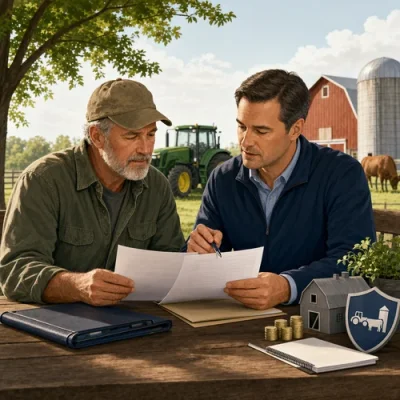
Start by comparing farm insurance options
When looking for farming insurance, it is important to shop around rather than relying on the first insurer or policy you find. Different insurers may structure cover, premiums and deductibles differently, so comparing policies can help you understand what is included, what is excluded and where costs may vary.
Useful comparison points include:
- the types of farm assets and activities covered;
- the premium payable for each policy option;
- the deductible or excess that applies if you make a claim;
- any specific exclusions or limits;
- whether optional covers are necessary for your operation; and
- how easy the policy is to manage alongside other insurance arrangements.
Asking other farmers about their experiences can also provide practical context, although another farmer's policy may not suit your own operation. Online reviews and ratings may help identify service issues, but they should be considered alongside the actual policy wording and cover features.
If you are still working out the level of cover your agricultural business may require, a farm insurance calculator can be a useful starting point for organising your thinking before comparing options.
Review what cover you actually need
One of the most practical ways to control farming insurance costs is to make sure your policy reflects your current operation. Farms change over time. You may acquire new equipment or livestock, expand into different activities, sell assets, downsize parts of the business or change how buildings and machinery are used.
If your policy has not been reviewed recently, you may be paying for cover that no longer matches your circumstances. On the other hand, if you have added equipment, livestock or buildings without updating your policy, your cover may not reflect your current exposure.
A regular review can help you check:
- whether insured values for buildings, machinery and other assets are still appropriate;
- whether new equipment or livestock has been added to the policy;
- whether sold or retired equipment is still listed;
- whether the farm's activities have changed since the policy was arranged;
- whether any optional covers are still relevant; and
- whether the deductible remains affordable if a claim occurs.
The original guidance recommended reviewing policies at least once a year with an insurance agent. An annual review is a sensible habit because it gives you a structured opportunity to update asset details, ask questions and identify unnecessary or outdated cover.
Consider whether bundling policies is suitable
If you hold more than one insurance policy, bundling them with the same insurer may make administration simpler and, where available, may attract a multi-policy discount. For example, a farmer may hold farm insurance alongside vehicle or other business-related insurance.
Bundling should still be assessed carefully. A bundled arrangement is only useful if the combined cover remains appropriate for the farm's needs. It is worth comparing the bundled premium and policy features against separate policies, because the cheapest combined price may not provide the same level or type of protection.
When considering a bundle, compare:
- the total premium across all policies;
- whether each policy has the same or different deductibles;
- the convenience of dealing with one insurer;
- any discounts or loyalty benefits offered; and
- whether specialist farm risks are still properly addressed.
Understand how deductibles affect premiums
A deductible, often referred to as an excess, is the amount you agree to pay out of pocket before insurance cover responds to a claim. Choosing a higher deductible may reduce the premium, because you are accepting a larger share of the cost if a claim occurs.
This approach needs caution. A deductible should be affordable in a realistic claim situation. If the excess is set too high, the policy may be cheaper to hold but harder to use when a loss occurs.
Before increasing a deductible, consider:
- whether the farm has enough cash flow or reserves to pay the excess;
- how often smaller claims might occur;
- whether different types of cover have different deductibles;
- the potential premium reduction compared with the extra amount payable at claim time; and
- whether the higher deductible fits your risk tolerance.
The aim is not simply to select the highest deductible available. It is to find a balance between premium affordability and the farm's ability to handle a claim.
Reduce risk factors where practical
Insurance premiums are influenced by the level of risk associated with the farming operation. While not every risk can be controlled, practical safety, security and maintenance measures may help reduce the likelihood or severity of loss.
Examples mentioned in the original article include installing security cameras, fencing and locking gates to help reduce theft or vandalism risk. Fire extinguishers and smoke detectors may also help reduce the risk of property damage or injury. Regular maintenance and inspections of farming equipment and buildings can identify hazards before they create larger problems.
Risk reduction measures may include:
- maintaining equipment and buildings on a regular schedule;
- checking gates, locks, fencing and other security features;
- using appropriate fire safety equipment where relevant;
- keeping records of inspections, maintenance and upgrades;
- reviewing storage arrangements for valuable equipment; and
- addressing known hazards promptly.
For a broader look at planning for farm risks, see this guide to on-farm risk assessment. The more clearly you understand the risks on your property, the easier it is to discuss appropriate cover and risk management with an insurer or broker.
Ask about available discounts, but check the conditions
It can be worthwhile asking insurers whether they offer discounts or special arrangements for farmers. The original article noted that insurers may be willing to discuss discounts, special deals, loyalty rewards or savings linked to safety measures.
Any discount should be reviewed in context. Ask what conditions apply, whether the discount continues after the first policy period, and whether the policy still provides the cover you need. A discount does not automatically make one policy better than another if the cover is narrower or the deductible is less suitable.
Questions to ask include:
- Are multi-policy discounts available?
- Are loyalty rewards offered to existing customers?
- Are discounts available for particular safety or security measures?
- Does the discount apply for the first year only or on renewal as well?
- Does accepting the discount change any cover features, exclusions or deductibles?
Consider specialised farm insurance products
Traditional insurance policies may not address every risk that farmers face. The original article identified examples such as extreme weather conditions, loss of livestock and equipment breakdown. Depending on the farm, specialised insurance products may be relevant and may help align cover more closely with the actual risks of the operation.
Livestock insurance
For farms that own livestock, livestock insurance may cover loss of livestock due to accidental injury, death or theft. The original article also noted that this type of cover may include veterinary care costs for animals, depending on the policy.
Crop insurance
Crop insurance is designed for farmers who experience crop losses due to events such as floods, droughts or hail storms. It may help respond to crop damage or complete crop failure, depending on the policy terms. For more detail on how this type of cover is commonly discussed, see this guide to crop insurance for your farm.
Farm equipment insurance
Farm equipment can be a major investment for a farming business. Farm equipment insurance may cover theft or accidental damage, and the original article also noted that cover may extend to damage during transportation, depending on the policy. You can read more in this guide to farm equipment insurance.
Specialised products are not automatically necessary for every farm. Their value depends on the assets, risks and activities involved. The key is to compare the cost of adding specialised cover with the risk it is intended to address.
Work with an experienced insurance broker where appropriate
Farm insurance can involve several types of property, equipment, liability and production-related risk. An insurance broker who understands farming insurance may be able to help compare policy options, explain differences in cover and identify areas where a policy may not match the farm's needs.
A broker cannot guarantee a particular premium, approval or claim outcome. Their role is to help you understand available options and assess how different policy structures may respond to your circumstances. If you want to understand the role of brokers in more detail, the site provides further information about insurance brokers.
A practical annual checklist for managing premiums
To keep farm insurance costs under review without focusing only on the headline premium, use a structured checklist each year before renewal.
| Review area | What to check |
|---|---|
| Assets | Confirm whether buildings, machinery, vehicles, livestock and other insured assets are current. |
| Cover types | Check whether each type of cover is still needed and whether any specialist cover should be considered. |
| Deductibles | Assess whether the deductible is affordable if a claim occurs. |
| Risk controls | Review security, fire safety, maintenance and inspection measures. |
| Discounts | Ask about multi-policy, loyalty or safety-related discounts and any conditions attached. |
| Market comparison | Compare premiums, cover features, exclusions and service considerations across available options. |
Saving money on farming insurance is usually a combination of comparing policies, removing unnecessary cover, choosing a deductible carefully, reducing manageable risks and making sure the policy reflects the farm as it operates today.