What is equipment leasing?
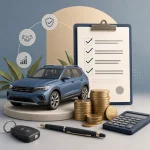
Equipment leasing is a finance arrangement that allows a business to use equipment owned by a leasing company or financier. Instead of purchasing the asset outright, the business makes regular lease payments over an agreed term.
Leasing may be used for many types of business assets, including machinery, vehicles, technology, tools, plant and other operational equipment. It can be particularly relevant where the equipment is expensive to buy, may need to be upgraded regularly, or is required to support business growth without a large upfront capital outlay.
At the end of the lease term, the agreement may allow the business to return the equipment, extend the lease, upgrade to newer equipment or purchase the asset. The available options depend on the lease contract.
How equipment leasing can support cash flow
The main cash flow advantage of leasing is that it spreads the cost of using equipment over time. Rather than using a large amount of working capital to buy an asset, a business can keep more cash available for operating expenses, stock, staffing, marketing, expansion or unexpected costs.
Regular lease payments can also make budgeting more predictable. Fixed or structured payments may be easier to include in cash flow forecasts than a major one-off purchase. Some lease arrangements may also be structured to better match seasonal or cyclical trading patterns, although this depends on the lessor and the terms offered.
Leasing does not remove the cost of equipment. It changes how that cost is paid and may include fees, interest or other charges over the term. Businesses should compare the total cost of leasing with the total cost of buying before deciding.
Common types of equipment leases
The source article distinguishes between finance leases and operating leases. The precise features and accounting treatment can vary, so the terms of the actual agreement are important.
| Lease type | How it generally works | Typical considerations |
|---|---|---|
| Finance lease | The business leases the equipment for a term that may cover a substantial part of the asset's useful life. There may be an option or obligation to acquire the asset at the end of the term, depending on the contract. | Can suit businesses that expect to use the equipment for a longer period. The business should assess the full cost, end-of-term obligations and balance sheet implications. |
| Operating lease | The business uses the equipment for an agreed period and may return it at the end of the term. This may suit equipment that is likely to become outdated or need regular replacement. | Can provide flexibility, but the business should check return conditions, usage limits, maintenance responsibilities and any end-of-lease charges. |
Lease labels can be used differently by providers. Before signing, businesses should confirm whether there is a residual or balloon payment, whether ownership can transfer, what happens at the end of the term and whether early termination is possible.
The equipment leasing process
Although each provider may have its own process, equipment leasing commonly involves the following steps:
- Identify the equipment required and how it will support business operations.
- Estimate the expected term of use, upgrade cycle and maintenance requirements.
- Compare lease structures, payment schedules, fees and end-of-term options.
- Negotiate the lease duration, payment amount, maintenance responsibilities and return or purchase options.
- Review the contract carefully before accepting the lease.
- Use and maintain the equipment in line with the lease agreement and manufacturer guidelines.
- Plan ahead for the end of the lease term, including whether to return, extend, upgrade or purchase the equipment if available.
Businesses comparing repayment scenarios may find a plant and equipment lease calculator useful for estimating how different terms and residual amounts can affect payments.
Financial advantages of equipment leasing
Preserving working capital
Leasing can reduce the initial cash required to access equipment. This may help a business preserve capital for other priorities, such as inventory, staff, new projects or market expansion.
Improving budget certainty
Regular lease payments can support budgeting and forecasting. A predictable payment schedule may make it easier to plan around revenue cycles and operational expenses.
Supporting scalability
Leasing may help a business access additional equipment when expanding capacity. It can also give some businesses the flexibility to adjust equipment needs when demand changes, subject to the terms of the lease.
Access to newer equipment
Where equipment becomes outdated quickly, leasing can provide a pathway to upgrade at the end of a term rather than holding an ageing asset. This can be relevant for technology, specialised machinery or other equipment affected by rapid innovation.
Costs, fees and total cost comparison
Leasing can improve short-term cash flow, but it may cost more over time than purchasing, depending on the asset, lease term, fees and end-of-lease arrangements. A proper comparison should consider both the short-term cash flow impact and the long-term total cost.
When assessing lease offers, consider:
- regular payment amount and frequency;
- the length of the lease term;
- any deposit, establishment fee or documentation fee;
- residual or balloon payment, if applicable;
- maintenance, servicing and insurance responsibilities;
- early termination costs;
- charges for excess use, damage or wear and tear;
- end-of-lease options and obligations;
- the likely resale value if buying is being compared with leasing.
It is also worth reviewing how broader business loan fees and charges can affect the total cost of finance, especially when comparing leasing with other funding options.
Tax, GST and accounting considerations
Equipment leasing can have tax and accounting implications for Australian businesses. Lease payments may be deductible in some circumstances, and GST-registered businesses may be able to claim GST credits for GST included in lease payments, subject to the usual requirements.
The treatment of lease payments, GST and balance sheet reporting depends on the lease structure, the business and the relevant accounting and tax rules. Finance leases and operating leases may have different reporting implications and can affect financial ratios, liabilities and profit reporting.
Because tax laws and accounting standards can change, businesses should seek advice from a qualified accountant or tax professional before relying on any expected tax or reporting outcome.
Risks and limitations of leasing
Leasing can be useful, but it is not risk-free. A lease contract can create ongoing payment obligations even if business circumstances change or the equipment is no longer needed.
Key risks to review include:
- Long-term cost: ongoing lease payments may exceed the cost of buying the equipment outright over its useful life.
- Contract restrictions: the agreement may restrict how the equipment can be used, modified, transferred or returned.
- Maintenance obligations: the business may be responsible for servicing and repairs unless the contract says otherwise.
- Early termination costs: ending a lease before the agreed term may result in additional charges.
- End-of-lease charges: costs may apply for damage, excess use or failing to meet return conditions.
- Technology changes: leasing can help manage obsolescence, but only if the term and upgrade options match the pace of change in the business's industry.
Leasing versus purchasing equipment
The choice between leasing and purchasing should be based on the asset, cash flow, tax position, expected use and long-term business strategy.
| Question | Leasing may be worth considering when... | Purchasing may be worth considering when... |
|---|---|---|
| How much cash is available upfront? | The business wants to preserve working capital and spread the cost over time. | The business can afford the upfront cost without weakening cash flow. |
| How quickly will the asset date? | The equipment may need regular upgrades or replacement. | The equipment has a long useful life and is unlikely to become obsolete quickly. |
| How important is ownership? | Using the equipment is more important than owning it. | Ownership, resale value or long-term control is important. |
| What is the total cost? | The lease structure provides suitable cash flow and operational flexibility. | The total cost of ownership is lower and the business can manage maintenance and depreciation. |
Businesses should compare the full cost of both options rather than focusing only on the monthly payment. If other finance products are also being considered, guidance on comparing business loan features may help frame the assessment.
How to choose a lease arrangement
Choosing the right lease begins with understanding the business need. Consider what equipment is required, how often it may need replacement, how critical it is to operations and whether the business expects to grow, contract or change direction during the lease term.
When comparing providers and lease offers, review:
- the lessor's experience with your industry and asset type;
- the payment structure and total cost over the term;
- whether maintenance is included or separate;
- insurance and registration responsibilities, where relevant;
- upgrade, extension, return and buyout options;
- early termination terms;
- fees that may not be obvious from the headline payment.
Lease terms may be negotiable. Businesses can ask about payment timing, lease length, end-of-term options, maintenance responsibilities and whether the structure can better suit trading cycles. For businesses that want assistance understanding finance structures, business finance brokers may be able to explain the role of brokers and related information.
Managing leased equipment during the term
Once equipment is leased, active management helps reduce disputes and unexpected costs. The business should follow the manufacturer's servicing requirements and any maintenance obligations in the lease contract.
Useful management practices include:
- keeping a maintenance and repair log;
- using qualified technicians where required;
- training staff to use the equipment correctly;
- checking usage limits or operating restrictions in the contract;
- communicating with the lessor if the equipment is damaged or business needs change;
- reviewing the lease before the end date so return, upgrade or purchase decisions are not rushed.
If the leased equipment is no longer suitable, the business should review the contract before making changes. Upgrading, returning or terminating the lease may involve specific conditions or costs.
End-of-lease options
End-of-lease planning is important because the available options can affect both costs and operations. Depending on the lease agreement, a business may be able to:
- return the equipment;
- extend the lease;
- upgrade to newer equipment;
- purchase the equipment under a buyout option.
Before deciding, assess whether the equipment still meets operational needs, whether newer technology would improve efficiency, what charges may apply on return, and whether buying the asset represents value compared with other options.
Key takeaways
Equipment leasing can help Australian businesses access essential assets while preserving cash flow and improving budgeting predictability. It may also support flexibility where equipment needs change or technology becomes outdated quickly.
However, leasing should be assessed carefully. The total cost, tax and GST treatment, accounting impact, maintenance obligations and end-of-lease options can all affect whether a lease is appropriate for a particular business.
If you decide to compare equipment leasing options, review the contract terms carefully and consider professional accounting, tax or finance guidance before committing.
Published: Wednesday 27th December, 2023
Last updated: Wednesday 19th August, 2026