Why DIY jet ski maintenance matters
Jet skis operate in a demanding marine environment. Salt, sand, algae, heat, vibration and moisture can all affect the hull, engine, propulsion system, electrical components and moving parts. A simple maintenance routine helps you spot wear, corrosion or damage before it becomes harder to manage.
This guide is designed for Australian jet ski owners and potential buyers who want to understand the practical maintenance tasks that can often be handled at home. It is not a substitute for your owner's manual or professional servicing. Manufacturer instructions should always guide the correct products, procedures and service intervals for your model.
Start with your owner's manual and basic supplies
Before carrying out maintenance, become familiar with your jet ski's key systems: the engine, propulsion system, electrical network, steering and throttle controls, hull and storage points. Your owner's manual is the main reference for model-specific instructions, including how to flush the engine, where to lubricate moving parts and what fluids or replacement parts are suitable.
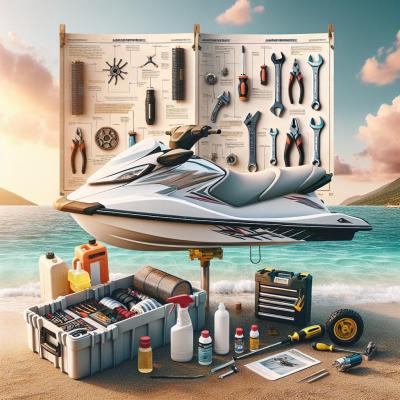
A practical DIY kit may include basic hand tools, marine-grade grease, cleaning supplies suitable for marine use, a grease gun, anti-corrosive spray, replacement parts recommended for your model and protective covers. Keeping these items together can make routine checks easier after each ride.
After-ride maintenance checklist
The most important maintenance habits often happen immediately after use. This is especially true after riding in saltwater, where corrosion can develop if salt residue is left on metal parts and internal systems.
| Task | Why it matters |
|---|---|
| Flush the engine as instructed in the manual | Helps remove salt, sand and debris from internal cooling passages and reduces corrosion risk. |
| Rinse the jet ski with fresh water | Removes salt, algae, sand and surface grime from the hull, deck and fittings. |
| Dry the craft thoroughly | Reduces moisture around electrical components, metal fittings and storage compartments. |
| Check for obvious damage | Allows cracks, scrapes, loose fittings or leaks to be identified early. |
| Cover and store correctly | Protects the jet ski from sun, weather and general environmental exposure when not in use. |
When washing down the craft, pay attention to areas where salt and sand can collect, such as around fittings, footwells, intake areas and storage compartments. Avoid leaving water sitting around electrical connections or enclosed spaces.
Routine checks to perform through the season
Periodic maintenance does not need to be complicated. A consistent visual and functional check can help you identify problems before your next ride.
Inspect the hull
Look over the hull for cracks, impact marks, gouges or other damage. Hull damage can affect performance and may allow water intrusion if left unresolved. Check both the underside and visible upper surfaces, particularly after riding in shallow or debris-filled water.
Check fluids
Regularly check oil and coolant levels where applicable, following the owner's manual for the correct method and specifications. Top up only as recommended for your model. If you notice leaking fluids, unusual residue or repeated low levels, the issue may need professional attention.
Test controls
Make sure the throttle and steering operate smoothly before use. If your jet ski has a fitted braking, reverse or deceleration system, check that it moves and responds as intended. Stiff, loose or inconsistent controls should not be ignored.
Inspect the battery
A weak or poorly maintained battery can leave a rider stranded. Check the battery's condition, make sure it is secure and keep it charged when the jet ski is not in use. If the battery is removed for storage, keep it in a dry place as recommended in the manual.
Fuel system, spark plug and filter care
The fuel system should be checked periodically for signs of leaks or deterioration. Fuel leaks are hazardous and can also affect the marine environment, so they should be addressed promptly and carefully.
Clean fuel filters as recommended for your model and inspect spark plugs for wear, fouling or damage. Worn or damaged spark plugs can contribute to poor starting or uneven running. Replacement should follow the specifications in the owner's manual.
If you smell fuel, see visible leakage or notice repeated starting issues, it may be safer to stop using the jet ski until the cause has been identified.
Lubrication and corrosion prevention
Jet skis have moving points that benefit from regular lubrication. These can include pivots, cables and movable joints, depending on the model. Use marine-grade grease where lubrication is required and avoid applying products to areas not intended to be greased.
Anti-corrosive spray can also help protect metal parts by creating a barrier against moisture and salt. Apply it carefully and according to product instructions, particularly around metal fittings and exposed components. Keeping parts clean and dry before storage also supports corrosion prevention.
Engine and propulsion system care
Open the engine compartment periodically and look for anything unusual, such as loose bolts, leaking fluids, corrosion, damaged hoses or disconnected fittings. Any issue that affects engine reliability should be addressed promptly.
The propulsion system also needs regular attention. The impeller and intake grate can collect weed, debris, plastic, rope or other material from the water. A blocked intake can affect thrust and handling. Check the intake area when the craft is safely out of the water and the engine is off.
For more background on avoiding preventable upkeep issues, see this guide to common jet ski maintenance mistakes.
Electrical system maintenance
Moisture and corrosion are common risks around electrical systems in a marine setting. Keep accessible electrical components clean and dry, and inspect connectors and wiring for corrosion, looseness or fraying.
Corroded connectors or damaged wires can contribute to starting problems, intermittent electrical faults or unreliable operation. If wiring appears damaged, repair or replacement may be needed before the next outing.
Storage and winterising
When the jet ski will not be used for an extended period, storage preparation becomes more important. Start with a thorough clean, rinse and dry. Lubricate required points, protect metal parts where appropriate and store the craft in a dry, covered area.
For seasonal lay-up, the original maintenance guidance recommends filling the tank and adding fuel stabiliser, then removing the battery and storing it in a dry place. Always follow the owner's manual for the correct fuel, battery and storage procedure for your specific model.
If you are preparing for the cooler months, this related guide on winterising your jet ski provides a more focused look at seasonal maintenance.
Troubleshooting common issues
Even a well-maintained jet ski can develop problems. Common issues noted in the original guide include engine overheating, starting troubles and propulsion problems. A DIY approach can help with basic checks, such as confirming the battery is charged, inspecting for visible debris in the intake grate and looking for obvious leaks or loose fittings.
However, not every issue should be handled at home. If a problem involves persistent overheating, fuel leaks, electrical faults, internal engine concerns or damaged propulsion components, professional assistance may be the safer option. Knowing when to stop and seek help can prevent further damage and reduce frustration.
Simple maintenance schedule
| When | Maintenance focus |
|---|---|
| After every ride | Flush as instructed, rinse with fresh water, dry, inspect for obvious damage and cover for storage. |
| Regularly during use | Check oil and coolant levels, battery condition, controls, fuel system, spark plugs and filters. |
| Periodically | Inspect the hull, engine bay, wiring, impeller, intake grate, lubrication points and corrosion-prone areas. |
| Before extended storage | Clean thoroughly, lubricate, protect metal parts, prepare fuel as recommended, remove and store the battery if required, and keep the craft covered in a dry area. |
Final thoughts
DIY jet ski maintenance is about building consistent habits: rinse, flush, dry, inspect, lubricate and store the craft properly. These simple steps support reliable operation and help protect the jet ski from the effects of salt, sun, moisture and debris.
Use your owner's manual as the main reference, keep the right supplies on hand and be realistic about the limits of DIY work. Regular attention can help keep your jet ski ready for the next ride while making it easier to identify when professional servicing is required.
Published: Saturday 16th December, 2023
Last updated: Monday 10th August, 2026