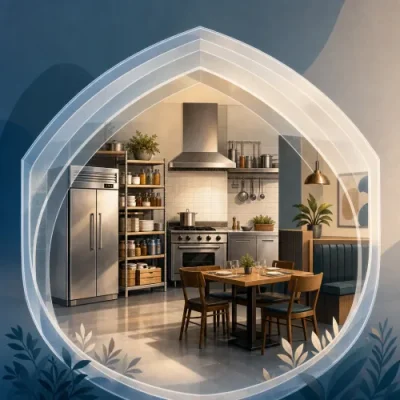
Restaurant contents insurance and restaurant stock insurance are designed to help protect the physical assets your business relies on to operate. For a restaurant or cafe, that can include food and beverage stock, commercial kitchen equipment, refrigeration units, furniture, point-of-sale equipment, signage, fittings and tenant improvements.
These assets can be exposed to fire, theft, storm damage, water leaks, accidental damage, equipment breakdown and food spoilage. The right approach will depend on your premises, lease arrangements, equipment ownership, stock levels, policy wording and insurer criteria. This article explains the main concepts so restaurant owners can have more informed conversations when arranging restaurant insurance.
What can restaurant stock, contents and equipment insurance cover?
In restaurant business insurance, property-related cover is usually concerned with the assets used in the business rather than injury claims or professional services. The exact policy structure can vary, but restaurant owners commonly consider cover for:
- Stock: food, beverages, ingredients, packaged goods and other inventory held for sale or preparation.
- Contents: furniture, crockery, cutlery, linen, computers, payment terminals, shelving, decor and other movable business property.
- Kitchen equipment: ovens, grills, fryers, mixers, dishwashers, coffee machines, exhaust systems and preparation equipment.
- Refrigeration and cold storage: fridges, freezers, cool rooms, display cabinets and related temperature-control equipment.
- Fit-out and improvements: counters, built-in cabinetry, flooring, lighting, bars, fixed seating, signage and other improvements you have paid for or are responsible for under your lease.
- Portable or off-site equipment: items used for catering, events, markets or deliveries, if the policy extends beyond the insured premises.
Some policies combine these items under a business contents or property section. Others separate stock, contents, machinery breakdown, glass, theft, electronic equipment or deterioration of stock. It is important to check how each item is defined because the definition can affect whether a claim is accepted and how a payment is calculated.
Stock insurance: food, beverages and ingredients
Restaurant stock insurance can help cover stock that is damaged or lost due to insured events. For a hospitality business, stock can change quickly. A busy weekend, catering order, seasonal menu or public holiday may mean stock values rise well above the average amount on hand.
When considering stock cover, restaurant owners may need to think about:
- the maximum value of stock held at peak periods, not only the day-to-day average;
- whether alcohol, specialty ingredients, frozen goods or high-value inventory need specific attention;
- whether stock in cool rooms, display cabinets, storage areas, delivery vehicles or off-site event locations is covered;
- how wastage, deterioration, contamination or spoilage is treated;
- whether theft cover requires evidence of forcible or violent entry; and
- what records are needed to support the quantity and value of stock claimed.
Stock cover is not the same as normal business wastage. Policies generally respond only to insured events described in the wording, and exclusions or conditions may apply.
Contents insurance: movable assets inside the restaurant
Restaurant contents insurance generally relates to movable business property. This may include furniture, dining room items, small appliances, electronic equipment, office equipment and other assets that would not usually be considered part of the building itself.
A common mistake is to estimate contents too narrowly. A dining room full of tables, chairs, crockery, glassware, service stations, heaters, tablets, sound equipment and payment devices can represent a substantial replacement cost. Back-of-house contents can be just as significant, particularly where specialist equipment is used.
When setting sums insured, consider whether the policy is based on replacement value, indemnity value or another basis. Replacement value generally looks at the cost to replace the asset with a new equivalent, while indemnity value may allow for age, wear or depreciation. The policy wording will determine how this applies.
Kitchen equipment insurance and equipment breakdown
Kitchen equipment insurance can be important because many restaurants depend on a small number of critical assets. If a combi oven, cool room compressor, dishwasher, coffee machine or exhaust system fails, the business may face repair costs, spoiled stock and reduced trading capacity.
Property cover may respond if equipment is damaged by an insured event such as fire, storm, theft or impact. However, sudden mechanical or electrical failure is often treated differently. Equipment breakdown or machinery breakdown cover may be needed for certain failure scenarios.
When reviewing restaurant equipment cover, ask how the policy treats:
- sudden and unforeseen mechanical or electrical breakdown;
- wear and tear, corrosion, gradual deterioration or lack of maintenance;
- damage caused by power surges or power interruption;
- repair costs versus replacement costs;
- temporary hire of replacement equipment, if available;
- equipment under lease, hire purchase or finance arrangements; and
- manufacturer warranties, service contracts and maintenance records.
Insurance does not replace routine maintenance. Insurers may expect reasonable care, servicing and risk management, especially for refrigeration, exhaust systems, electrical equipment and fire safety systems.
Food spoilage insurance and refrigerated stock
Food spoilage insurance is particularly relevant for restaurants, cafes, bakeries and takeaway businesses that rely on refrigerated or frozen goods. Spoilage can occur after equipment failure, accidental damage, power interruption, temperature control failure or contamination. Whether it is covered depends on the policy wording and the cause of loss.
Important questions include:
- Is deterioration of stock automatically included, optional, or excluded?
- Does cover apply only after insured machinery breakdown?
- Are power outages covered, and do they need to occur outside the business premises?
- Is there a waiting period or minimum outage duration before cover applies?
- Are there limits for refrigerated, frozen or perishable stock?
- What evidence is required, such as temperature logs, invoices, photos or disposal records?
Restaurants should also consider practical risk controls such as regular temperature checks, documented cleaning and maintenance, backup procedures, clear staff reporting processes and supplier records. These steps may help with claims evidence and can reduce the chance of preventable loss.
Fit-out, fixtures and tenant improvements
Fit-out can be one of the most misunderstood areas of hospitality contents insurance. A restaurant owner may spend heavily on flooring, bars, counters, lighting, signage, built-in seating, kitchen extraction, plumbing alterations and decor. Some items may be considered fixtures, some may be tenant improvements, and some may belong to the landlord.
Your lease may say who is responsible for insuring different parts of the premises. It may also include make-good obligations, maintenance duties or requirements to insure glass, plate glass, fixtures or landlord property. Because these arrangements vary, owners should not assume the building owner's insurance covers their fit-out or improvements.
Before arranging cover, it can be useful to review:
- your lease and any insurance obligations it places on the tenant;
- who owns each item: the landlord, tenant, franchise group, equipment financier or another party;
- the cost to reinstate the fit-out after a major insured event;
- whether professional installation, permits, design work or specialist trades affect reinstatement costs; and
- whether signs, awnings, outdoor furniture or alfresco areas are included.
Common risks for restaurant stock, contents and equipment
Restaurant property risks are shaped by the nature of hospitality operations. Heat, grease, water, refrigeration, electrical load, customer traffic, alcohol service, cash handling and long trading hours can all influence the risk profile.
| Risk | How it can affect restaurant assets | Insurance considerations |
|---|---|---|
| Fire and smoke | Can damage kitchen equipment, stock, furniture, fit-out and neighbouring areas. | Check property, contents, stock and business interruption sections, as well as policy conditions around fire protection and maintenance. |
| Water damage | Burst pipes, roof leaks or blocked drains can damage flooring, stock, electronics and fit-out. | Review exclusions for gradual damage, poor maintenance or flood, as these terms may be treated differently. |
| Theft and burglary | Stock, cash, alcohol, electronics and portable equipment may be targeted. | Security requirements, evidence of forced entry and policy limits can affect cover. |
| Equipment breakdown | A failed fridge, oven or dishwasher can interrupt operations and spoil stock. | Machinery breakdown and deterioration of stock cover may need to be considered separately. |
| Storm or severe weather | Can damage signs, outdoor furniture, roof areas, stock and premises fit-out. | Outdoor property, flood definitions and premises conditions should be reviewed carefully. |
| Accidental damage | Staff or contractors may damage equipment, glass, furniture or fittings during operations. | Some policies include accidental damage; others restrict or exclude it unless selected. |
What may not be covered?
Every policy is different, but exclusions and limitations are common. Restaurant owners should read the product disclosure statement, policy schedule and endorsements carefully before relying on cover.
Common areas to check include:
- Wear and tear: gradual deterioration, corrosion, rust, fatigue or poor maintenance is commonly excluded.
- Vermin and contamination: pest damage, contamination or food safety incidents may be limited or excluded unless specific cover applies.
- Unoccupied premises: reduced trading, closure or vacancy may affect cover if notification conditions are not met.
- Flood: flood is often defined specifically and may be optional, excluded or subject to different terms.
- Power interruption: spoilage from outages may have conditions, waiting periods, distance limits or cause-of-loss requirements.
- Money and theft: cash, alcohol and high-value stock may have separate limits or storage requirements.
- Off-site use: catering equipment, market stock or items in transit may need additional cover.
- Cyber or data loss: payment systems and booking platforms may not be covered under a standard contents section.
Policy acceptance, pricing, limits and exclusions depend on the insurer's underwriting criteria and the restaurant's individual circumstances.
How to estimate sums insured
Underinsurance can become a major issue after a loss. If sums insured are too low, the claim payment may not be enough to replace stock, reinstate the fit-out and buy equivalent equipment. Some policies may also include underinsurance or average clauses, which can reduce claim payments if the insured value is materially below the actual value at risk.
A practical approach is to build an asset list and update it regularly. Include:
- major kitchen equipment, with purchase dates, serial numbers and replacement estimates;
- front-of-house furniture, decor, electronics and point-of-sale devices;
- fit-out items and improvements, including built-in assets;
- refrigerated, frozen, dry and beverage stock values at peak times;
- leased, financed or hired equipment and who is responsible for insuring it;
- outdoor furniture, signage, awnings and alfresco assets; and
- installation, delivery, removal and professional reinstatement costs where relevant.
If you are gathering figures for your insurance review, the site's calculators may help you organise financial inputs before speaking with an insurer or broker. Where values are uncertain, it may also be worth using supplier quotes, invoices, depreciation schedules, lease documents and professional fit-out estimates.
Documents and records that can support a claim
Good record keeping can make it easier to demonstrate ownership, value and cause of loss. After a fire, theft, water leak or equipment failure, it may be difficult to reconstruct every asset from memory.
Useful records may include:
- purchase invoices and supplier receipts;
- photos or videos of equipment, stockrooms, dining areas and fit-out;
- equipment service records and maintenance logs;
- temperature logs for fridges, freezers and cool rooms;
- stocktake reports and inventory system records;
- lease documents showing responsibility for fit-out and fixtures;
- finance or leasing agreements for equipment;
- police reports for theft or malicious damage; and
- records of damaged stock disposal where required.
Claims processes and evidence requirements vary by insurer, so it is important to notify the insurer promptly and follow the instructions in the policy.
How this cover fits with broader restaurant insurance
Stock, contents and equipment cover protects physical business assets, but it is only one part of restaurant insurance coverage. A restaurant may also consider public liability, product liability, business interruption, glass, management liability, workers compensation, commercial motor and other cover types depending on how it operates.
For example, damaged equipment may create a property claim, but a customer injury may involve public liability. Spoiled stock may be a property issue, while lost revenue during repairs may involve business interruption if that cover applies. These sections can interact, so it is worth reviewing the policy as a whole rather than focusing only on one risk.
If you want a broader view of how different policy sections may work together, see the guide to choosing insurance coverage for your restaurant business.
Questions to ask before choosing restaurant contents insurance
Before buying or renewing cover, restaurant and cafe owners may wish to ask:
- What is included in stock, contents, equipment and fit-out under this policy?
- Are refrigerated and frozen goods covered for spoilage, and in what circumstances?
- Does the policy include equipment breakdown, or is it optional?
- Are leased, financed or hired items covered?
- Is property covered away from the premises, in transit or at catering events?
- Are flood, accidental damage, glass and theft included or optional?
- What excesses, sub-limits, waiting periods or conditions apply?
- How are claims settled: replacement value, indemnity value or another method?
- Does the lease require specific insurance for fixtures, glass or tenant improvements?
- How often should sums insured be reviewed as prices, menus and equipment change?
Restaurants with complex premises, high-value fit-outs or multiple locations may benefit from professional guidance. You can use the brokers page to explore support options if you need help assessing sums insured or comparing policy structures.
Key takeaway
Restaurant stock, contents and equipment insurance is about more than listing a few kitchen assets on a policy. Owners need to consider stock fluctuations, refrigerated goods, critical equipment, fit-out responsibilities, lease obligations, exclusions and the true cost of reinstatement after a loss.
No policy will suit every restaurant, and cover is subject to insurer acceptance, policy terms, limits and exclusions. Taking time to document assets, review sums insured and understand spoilage and breakdown conditions can help you choose cover that better reflects the way your restaurant actually operates.