Why farm equipment insurance matters
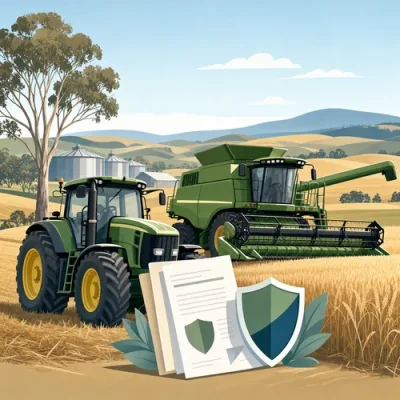
Farm machinery is central to many Australian farming operations. Tractors, harvesters, sprayers, trailers and other equipment can represent a significant investment, and a single theft, fire, collision or breakdown can interrupt productivity and create unexpected costs.
Farm equipment insurance is designed to help manage these risks by covering selected losses or liabilities involving insured machinery. The right policy structure will depend on the types of equipment used, how and where it is operated, the value of the machinery, and the risks most relevant to the farm.
Policies can vary significantly, so it is important to read the policy wording carefully and understand the insured events, limits, exclusions and excesses before relying on any cover.
Main types of farm equipment insurance policies
Farm equipment insurance is not always a single standard product. Depending on the insurer and policy, cover may be broad or limited to specific events. The following policy types are commonly discussed when farmers assess machinery insurance options.
| Policy type | What it generally focuses on | Key points to check |
|---|---|---|
| Comprehensive cover | Broad protection for a range of events such as theft, fire, vandalism, collision and some natural disaster-related damage. | Limits, exclusions, excesses, listed equipment and whether particular events such as flood or storm are included. |
| Named perils cover | Cover only for specific risks named in the policy, such as fire, theft, hail or accidental damage during transport. | Whether the perils most relevant to the farm are specifically listed. |
| Fire and theft cover | Protection focused on loss or damage caused by fire or theft. | Security requirements, theft conditions, proof of ownership and valuation method. |
| Mechanical breakdown cover | Repair or replacement costs arising from an insured mechanical breakdown. | Age restrictions, maintenance requirements, wear-and-tear exclusions and what counts as a breakdown. |
| Liability cover | Legal costs or damages if equipment causes injury or property damage while in use. | Who is insured, where machinery may be operated, limits of liability and exclusions. |
Comprehensive farm equipment insurance
Comprehensive cover is usually the broadest form of farm equipment insurance. It may include protection for events such as theft, fire, collision, vandalism and certain natural disasters, depending on the policy wording.
This type of cover may suit farmers who want a wider protection framework rather than arranging separate cover for several different risks. However, "comprehensive" does not mean every possible event is covered. Exclusions, limits and excesses still apply, and some risks may require additional terms or may not be available under a particular policy.
When reviewing comprehensive cover, check whether all relevant machinery is listed correctly, how the insurer values equipment after a loss, and whether attachments, trailers or accessories are included.
Named perils, fire and theft cover
Named perils insurance covers only the events specifically listed in the policy. Examples may include fire, theft, hail damage or accidental damage while transporting machinery. This can be a more targeted approach for farmers who want to insure against particular risks.
The main limitation is that losses caused by events not named in the policy may not be covered. For example, if a policy lists fire and theft but does not list hail, storm or flood, there may be a gap if the equipment is damaged by one of those excluded events.
Fire and theft cover is a narrower option that focuses on two major risks. It may be considered where the main concern is loss from fire or stolen machinery, but farmers should check security obligations, storage conditions and documentation requirements.
Mechanical breakdown cover
Mechanical breakdown cover is intended to help with repair or replacement costs when insured equipment suffers a mechanical failure. This can be important where downtime affects farm operations, particularly during critical seasonal work.
Policies may contain detailed conditions around servicing, maintenance records, equipment age and the difference between sudden breakdown and gradual wear. Farmers should check whether the policy covers labour, parts, transport of machinery for repair, and whether any waiting periods or exclusions apply.
Liability cover for farm equipment
Farm equipment can create liability risks when it is used around employees, contractors, visitors, neighbouring properties or public areas. Liability cover is designed to respond if machinery causes injury to another person or damage to someone else's property, subject to policy terms.
This type of cover can be important for operations that regularly use heavy machinery, vehicles or attachments. It may cover legal costs and damages arising from an insured incident, but limits and exclusions must be reviewed carefully.
Farmers assessing liability exposure may find a public liability insurance calculator useful as a starting point for thinking about cover levels, although the appropriate amount will depend on the farm's own circumstances and policy availability.
How to choose farm equipment insurance
Assess the value of machinery
A practical first step is to document the equipment used on the farm and estimate its current market value or replacement cost. This may include tractors, harvesting equipment, trailers, attachments and other machinery that is essential to day-to-day operations.
Underestimating equipment values may leave a shortfall if a claim is accepted but the payout is not enough to repair or replace the machinery. Overestimating values may increase premium costs without necessarily providing extra benefit. Regularly updating equipment records can help keep cover aligned with changes in the farm's asset base.
A farm insurance calculator can help organise initial thinking about insurance needs, but it should not replace a detailed review of policy terms and equipment valuations.
Consider location and regional risks
Australian farms can face different risks depending on location. Floods, cyclones, bushfires, hailstorms and other weather-related events may be more relevant in some regions than others. Farmers should consider which risks are most likely to affect their machinery and whether those events are included, excluded or limited under the policy.
For example, a farm in a flood-prone area may need to pay particular attention to whether flood damage is covered, while a region exposed to hail may need to check if hail is a named peril. For broader preparation context, see Preparing Your Farm: 5 Key Measures Against Natural Disasters.
Compare premiums, excesses and limits
Premium cost is an important consideration, but it should not be assessed in isolation. A lower premium may come with narrower cover, higher excesses or more exclusions. A broader policy may cost more but provide protection for a wider range of insured events.
When comparing options, consider requesting farm insurance quotes based on the same equipment list and risk assumptions so that differences in cover, limits and exclusions are easier to identify.
Check maintenance and security expectations
Some insurers may consider maintenance practices, storage arrangements or security systems when assessing cover or premiums. Keeping machinery serviced, storing it securely where practical, and maintaining records can also support the claims process if a loss occurs.
Understanding key policy terms
Farm equipment insurance documents often use terms that affect how a claim is assessed. Important terms include:
- Premium: the amount paid for the insurance policy.
- Excess or deductible: the amount the insured pays towards a claim before the insurer contributes.
- Limit of cover: the maximum amount payable under the policy or for a specific item or event.
- Exclusion: a situation, event or type of loss the policy does not cover.
- Insured event: an event that is covered by the policy, such as fire, theft or collision, depending on the wording.
- Market value or replacement cost: valuation methods that may determine how much is payable after a covered loss.
If any wording is unclear, ask the insurer or a qualified insurance professional to explain how the term would apply to the equipment and farming operation.
The farm equipment insurance claims process
The claims process varies by insurer, but most claims follow a similar structure. Prompt reporting and clear documentation can reduce delays.
- Contact the insurer as soon as possible. Many policies require incidents to be reported within a specific timeframe.
- Follow the insurer's instructions. The insurer may provide claim forms, online lodgement options or a claims hotline.
- Document the damage or loss. Take photographs, keep repair estimates and gather any relevant incident details.
- Provide supporting records. Purchase receipts, serial numbers, maintenance logs and ownership documents can help verify the claim.
- Report theft where required. If machinery is stolen, a police report may be needed.
- Stay in contact during assessment. The insurer may need further information, inspection reports or verification before making a decision.
Claim timelines depend on the complexity of the incident and the insurer's processes. Straightforward claims may be assessed more quickly, while larger or more complex claims may require additional investigation.
Common claims issues to avoid
Several avoidable issues can slow down or complicate a farm equipment insurance claim:
- delaying notification to the insurer after an incident;
- not keeping purchase, maintenance or valuation records;
- assuming that a basic policy covers every risk;
- failing to update the policy when new machinery is purchased or old machinery is sold;
- not checking whether accessories, attachments or transported machinery are covered;
- overlooking exclusions or special conditions in the policy wording.
Regular policy reviews can help identify gaps before a loss occurs. Farmers may also choose to discuss cover with an insurance professional or review information about the role of insurance brokers when considering more complex insurance arrangements.
Frequently asked questions
What types of farm equipment insurance are available in Australia?
Common types include comprehensive cover, named perils cover, fire and theft cover, mechanical breakdown cover and liability cover. The availability and scope of each option depends on the insurer and policy wording.
Does farm equipment insurance cover both new and used machinery?
Policies can vary. Some may cover used machinery if it is listed and meets the insurer's conditions. Farmers should confirm how the policy treats pre-owned equipment, valuation and proof of ownership.
How do I know which policy type is appropriate?
The most suitable policy structure depends on the equipment owned, its value, how it is used, where it is stored and the risks most relevant to the farm's location. Comparing cover types and reviewing exclusions is essential.
What documents help with a claim?
Useful documents may include photographs, repair estimates, purchase receipts, serial numbers, maintenance logs and police reports for theft. The insurer will confirm what is required for a specific claim.
Key takeaways
Farm equipment insurance can help Australian farmers manage the financial impact of machinery damage, theft, breakdown and liability events. The main policy types offer different levels of protection, from broad comprehensive cover to narrower named perils or fire and theft options.
Before selecting cover, farmers should review equipment values, regional risks, policy limits, exclusions, excesses and claims requirements. Keeping accurate machinery records and reviewing cover when farm operations change can make insurance easier to manage and may support a smoother claims process.