Two popular options that many small and medium-sized enterprises (SMEs) consider are loans and lines of credit. Both have their unique advantages and can serve different purposes depending on your business needs.
This article aims to help Australian SME owners understand these financial products better and provide guidance on which option may suit their particular circumstances. Whether you're looking to expand your operations, manage day-to-day cash flow, or prepare for unexpected expenses, we'll explore how loans and lines of credit can support your business goals.
Understanding Business Loans
Business loans are a form of financial support that provides businesses with the capital needed to grow, cover operational costs, or invest in new opportunities. These loans are typically offered by banks and financial institutions and can vary significantly in terms of interest rates, loan amounts, and repayment schedules.
When a business takes out a loan, it agrees to repay the borrowed amount over a fixed period, which is known as the term. This repayment usually includes interest, which is a percentage of the loan amount charged by the lender in exchange for providing the funds. Payments are typically made in regular installments, such as monthly or quarterly payments, until the loan is fully repaid.
In Australia, common types of business loans include term loans, equipment loans, and overdraft facilities. Term loans are straightforward, providing businesses with a lump sum of money to be paid back over a set period. Equipment loans, on the other hand, are specifically designed for purchasing machinery or equipment. Overdraft facilities provide businesses with a short-term cash flow solution, allowing them to withdraw more than their account balance.
Each type of loan has its own benefits and drawbacks. One of the main advantages of business loans is that they offer immediate access to funds, which can be crucial for business needs. However, these loans often require collateral and come with strict repayment terms, which can be a disadvantage if the business encounters unexpected financial difficulties.
Exploring Lines of Credit
A line of credit is a flexible financial solution that allows businesses to borrow funds up to a specified limit. Unlike a traditional loan, where a lump sum is disbursed upfront, a line of credit enables businesses to draw funds as needed, up to the established credit limit. This provides businesses with ongoing access to cash, which can be particularly useful for managing fluctuating cash flow requirements.
Functioning similarly to a credit card, a business line of credit offers revolving credit. This means that once the borrowed funds are repaid, they become available to borrow again. Businesses only pay interest on the amount they withdraw, rather than the total credit limit, which can provide cost efficiency during periods of low cash requirement.
There are different types of lines of credit available for small and medium-sized businesses. Secured lines of credit require collateral, such as property or inventory, while unsecured lines do not. The choice between the two often depends on the business's financial health and the availability of assets to use as collateral.
The pros of using a line of credit include flexibility, as businesses can access funds as needed and only pay interest on what they use. Additionally, it can help manage short-term cash flow gaps effectively. However, one drawback is that these credit lines typically come with variable interest rates, which can lead to higher costs if rates increase. Furthermore, relying too heavily on this facility can lead to financial strain if not managed carefully.
Key Differences Between Loans and Lines of Credit
Comparison of Repayment Terms and Flexibility
One of the primary differences between loans and lines of credit lies in their repayment terms and flexibility. Business loans typically have fixed repayment schedules, meaning you repay the principal and interest over a predetermined period. This fixed nature provides predictability in budgeting but offers little flexibility if your cash flow situation changes.
Conversely, lines of credit offer more flexibility. You draw funds as needed and repay them according to your cash flow. This allows you to manage varying financial needs without the burden of a rigid repayment schedule.
Access to Funds: Lump Sum vs Revolving Credit
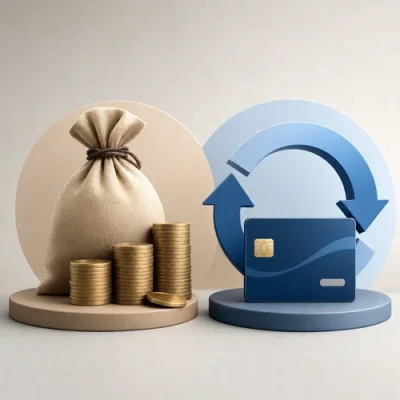
Loans and lines of credit also differ in how funds are accessed. With a business loan, you receive a lump sum upfront, providing a significant cash influx to cover large expenses or investments immediately. However, once the funds are spent, you cannot access more until the loan is repaid.
A line of credit works differently, offering revolving credit. You can withdraw funds up to a certain limit and repay them over time, similar to a credit card. This ongoing access is ideal for handling fluctuating expenses, such as seasonal inventory purchases or unexpected costs.
Impact on Cash Flow Management for SMEs
The manner in which you access and repay funds affects your small or medium-sized enterprise’s (SME) cash flow management. A loan's fixed payments can strain cash flow in lean times. Alternatively, a line of credit can help manage cycles better due to its draw-as-needed nature, acting as a financial buffer when cash flow slows.
Effect on Business Credit Score and Borrowing Capacity
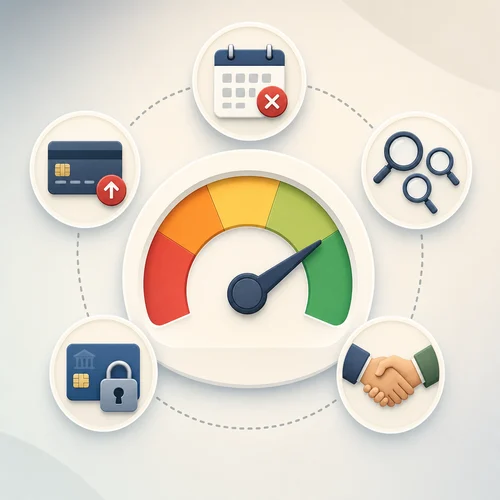
Both loans and lines of credit can impact your business credit score and future borrowing capacity. Successfully managing either can enhance your credit score, making it easier to secure additional financing later. However, missed payments or maxing out available credit can have adverse effects.
In particular, over-reliance on a line of credit could signal to lenders that your business lacks sufficient cash flow, potentially affecting future borrowing power. Alternatively, paying down loans and maintaining a healthy balance on your line of credit can demonstrate creditworthiness and financial responsibility.
Factors to Consider When Choosing Between the Two
Assessing Your Business Needs and Financial Goals
The first step in deciding between a loan and a line of credit is to assess your business's specific needs and financial objectives. Consider whether you require a substantial sum for a one-time purchase or project, which might make a loan more appropriate, or if you need flexible, ongoing access to funds, favoring a line of credit. Your decision should align with your long-term business goals and current financial situation.
Understanding Cash Flow Cycles and Operational Needs
Understanding your business's cash flow cycles is crucial. If your cash flow is predictable and stable, a loan could be sufficient for planned expenditures. However, if you face seasonal fluctuations or variable operational expenses, a line of credit's flexibility might better support your needs, allowing you to access funds when revenue is low and repay when cash flow improves.
Evaluating Interest Rates and Total Cost of Borrowing
Interest rates and the total cost of borrowing significantly influence your decision. Business loans typically have fixed interest rates, providing predictability in financial planning but potentially higher total expenses if you don't require the full lump-sum immediately. Lines of credit often have variable rates, potentially offering lower costs if managed efficiently. Carefully calculate the total interest and fees associated with each option before making a decision.
Considering the Ease of Application and Approval Process
The application and approval process for loans and lines of credit can vary. Loans often require a thorough analysis of your business's finances and creditworthiness, potentially taking longer to secure. Lines of credit might offer a quicker, more flexible application process, especially if you're seeking a smaller credit limit. Consider how quickly you need access to funds and your readiness for the associated paperwork and credit evaluation before deciding.
Case Studies: Real-World Examples
Example of a Successful Australian SME Using a Business Loan
One notable example is a family-owned manufacturing business based in Melbourne that leveraged a business loan to expand its operations. Facing increasing demand but limited production capacity, the company acquired a significant loan to invest in advanced machinery and technology. This strategic move not only doubled their output but also improved efficiency, reducing lead times and enhancing customer satisfaction.
The success of this expansion resulted in increased revenue and market share, allowing the business to repay the loan ahead of schedule. This case clearly illustrates how strategically utilizing a business loan can fuel growth, provided it aligns with well-defined business objectives and resources.
Example of a Successful Australian SME Using a Line of Credit
A retail store chain in Sydney serves as an excellent example of a business benefiting from a line of credit. With its revenues heavily dependent on seasonal sales, the business frequently encountered cash flow challenges during off-peak periods. A line of credit provided the flexibility needed to maintain inventory levels and meet operational expenses during these lean months.
By accessing funds only as needed and repaying promptly after peak sales periods, the retailer managed to stabilize cash flow, improve inventory management, and seize timely purchasing opportunities, which ultimately contributed to stable growth and profitability.
Lessons Learned and Tips from These Businesses
Both examples highlight the importance of financial planning and understanding one's business needs. The manufacturing business demonstrated that a well-planned loan can drive significant growth when focused on strategic investments. Meanwhile, the retail chain showed the value of a line of credit in managing seasonal cash flow fluctuations effectively.
For SMEs considering these financial tools, the key takeaways include aligning financing with clear objectives, ensuring the ability to meet repayment obligations, and leveraging funds for growth or stability. Additionally, choosing the suitable financial product should always consider the unique operational characteristics and cash flow cycles of the business.
Conclusion
In conclusion, both business loans and lines of credit offer distinct advantages and can play vital roles in the financial strategy of an SME. Business loans provide substantial, immediate funding for specific projects, making them ideal for significant investments or expansions. Meanwhile, lines of credit deliver flexibility, allowing businesses to navigate short-term cash flow challenges and capitalize on unexpected opportunities.
When deciding between these options, it's crucial for business owners to thoroughly assess their individual circumstances, including their business goals, operational needs, and financial health. Understanding these factors can help in choosing the most appropriate financing solution to support and propel the business forward.
If you find yourself unsure or in need of tailored guidance, don't hesitate to seek professional financial advice. Financial advisors can offer valuable insights and assist you in crafting a strategic plan that aligns with your business objectives and enhances your financial stability. Take control of your business's financial future and explore the possibilities that an informed financing decision can unlock.