Introduction
For potential buyers of hybrid or electric vehicles, staying informed about the fuel landscape is especially important. The continued development of infrastructure for these vehicles, coupled with government incentives, may influence your decision-making process. Knowing when and how the fuel market shifts can help you weigh the long-term benefits of transitioning to more sustainable driving options.
This article aims to guide you in making informed driving choices by providing insights into the current fuel situation in Australia. Whether you're contemplating a new vehicle purchase or simply aiming to optimize your current fuel expenditure, understanding these dynamics will equip you with the necessary knowledge to make confident decisions.
Current Fuel Situation in Australia
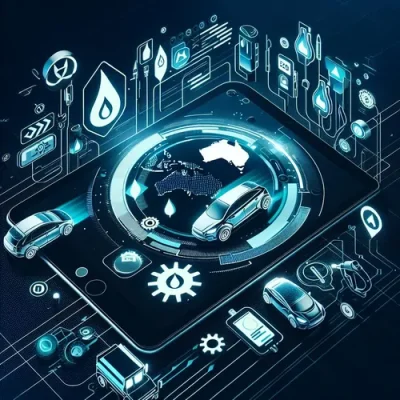
Examining the current fuel prices in Australia reveals a complex landscape influenced by a variety of global and local factors. Prices at the pump have seen significant fluctuations due to international oil market trends, exchange rates, and geopolitical tensions. These global dynamics are paired with domestic influences, such as government policies on fuel taxation and subsidies, further shaping the cost of fuel for everyday Australians.
One of the primary factors affecting fuel costs is the global supply-demand balance, often disrupted by events such as political instability in oil-producing regions or natural disasters. Additionally, the Australian government’s decisions on fuel excises and environmental regulations also play a pivotal role in determining the final price that consumers pay.
For Australian consumers, these price changes translate into direct impacts on household budgets and broader economic conditions. Rising fuel prices can lead to increased living costs, influencing everything from daily commutes to the delivery costs of goods and services. Understanding these trends is essential for making informed decisions, whether it's planning travel expenditures or considering more fuel-efficient vehicles.
Challenges of Traditional Fuel Dependency
Environmental Concerns and Greenhouse Gas Emissions
The reliance on traditional fossil fuels significantly contributes to environmental challenges, particularly concerning greenhouse gas emissions. Petrol and diesel vehicles are major sources of carbon emissions, which contribute to climate change and air pollution. As awareness of environmental issues grows, many Australians are reconsidering their fuel choices.
Switching to more sustainable energy sources is seen as a critical step in reducing individual and collective carbon footprints. With global temperatures rising, the shift towards cleaner, renewable energy is becoming increasingly important to curb the detrimental effects on our planet.
Financial Implications for Drivers
Traditional fuel dependency can also lead to financial strain for drivers, as price volatility impacts their budgets. Fluctuating fuel costs are often unpredictable, making it challenging for consumers to manage expenses effectively. This instability can lead to significant budgetary adjustments, affecting households across the country.
As fuel costs rise, the financial burden becomes even more pronounced, leading many to explore more fuel-efficient or alternative transportation options to reduce expenses.
Long-Term Sustainability Issues
Overreliance on fossil fuels raises questions about long-term sustainability, both environmentally and economically. Finite resources are dwindling, prompting concerns about future fuel availability and affordability. The continued depletion of oil reserves will likely lead to increased competition and costs over time.
This scenario emphasizes the importance of transitioning to sustainable alternatives, ensuring transport systems that are not only eco-friendly but also economically viable in the long term.
Electric Vehicles: A Viable Alternative
Overview of Electric Vehicles Available in Australia
The Australian automotive market is rapidly evolving as electric vehicles (EVs) gain popularity. Today, consumers have access to a wide range of EV models, from compact cars to SUVs, provided by renowned manufacturers like Tesla, Hyundai, Nissan, and more. With advancements in technology, not only has the variety increased, but the affordability and practicality of electric vehicles have also improved.
Government incentives, such as reductions in stamp duty and luxury car tax exemptions, aim to further encourage the adoption of EVs. Additionally, the expansion of the charging infrastructure across Australian cities supports this transition, making it more convenient for consumers.
Benefits of Switching to Electric: Environmental, Economic, Practical
Switching to an electric vehicle offers numerous benefits. Environmentally, EVs produce zero tailpipe emissions, significantly reducing the carbon footprint associated with traditional vehicles. This shift contributes positively to combating climate change and improving air quality.
Economically, EVs offer savings on fuel and maintenance costs. Electricity is generally less expensive than petrol or diesel, and EVs have fewer moving parts, resulting in lower servicing expenses. Practically, EV technology has advanced, providing impressive ranges and features that improve the driving experience.
Common Misconceptions About Electric Vehicles
Despite their benefits, there are common misconceptions about electric vehicles that may deter potential buyers. One concern is range anxiety; however, modern EVs offer extended ranges capable of meeting most daily driving needs. Infrastructure improvements further ease these concerns, with rapid charging facilities becoming more widespread.
Another misconception is the perceived high cost. Although the initial purchase price can be higher, long-term savings on fuel and maintenance can offset the upfront expense, making EVs a viable investment over time.
Making an Informed Decision
Comparing the Costs: Fuel vs. Electric
When choosing between traditional fuel vehicles and electric vehicles (EVs), a key consideration is the cost. Fuel prices are subject to frequent fluctuations due to various market factors, making budgeting a challenge for drivers of petrol or diesel cars. In contrast, electric vehicles offer more predictability, with electricity rates being generally stable.
Although the initial purchase price of an EV may be higher, lower operating costs can offset this over time. It's important to calculate potential savings on fuel, as well as reduced maintenance expenses, when evaluating the long-term economic benefits of each option.
Understanding Government Incentives and Rebates for EVs
To promote cleaner transportation options, the Australian government offers various incentives and rebates for electric vehicle buyers. These incentives can significantly reduce the overall cost of purchasing an EV, making them more accessible to consumers.
Incentives may include reductions in stamp duty, exemptions from the luxury car tax, or dedicated funding grants. Staying informed about the available government schemes is crucial for maximizing the financial benefits of transitioning to an electric vehicle.
Long-Term Savings and Benefits of Electric Vehicles
Investing in an electric vehicle can result in substantial long-term savings. Besides fuel and maintenance cost reductions, EVs contribute positively to environmental conservation, aligning with increasingly eco-conscious lifestyles.
As technology continues to advance, the benefits of owning an EV are expected to grow, with enhancements in battery efficiency and charging infrastructure making electric vehicles even more viable. The combination of economic savings, environmental benefits, and government support underscores the value of making the switch to electric.
Exploring Hybrid Vehicles
How Hybrid Vehicles Work
Hybrid vehicles combine the benefits of both petrol engines and electric motors, providing an efficient and eco-friendly driving option. These vehicles utilize a dual system where both power sources work together or individually to optimize performance and fuel efficiency.
The petrol engine typically engages when more power is needed, such as during acceleration or high-speed driving, while the electric motor is used for low-speed driving and tasks like idling and starting. This synergy helps to conserve fuel and reduce emissions, making hybrids an appealing choice for many drivers.
Advantages of Hybrids as a Transition from Fuel to Electric
Hybrids serve as an excellent middle ground for those considering a shift from traditional fuel vehicles to fully electric models. They allow drivers to experience the benefits of electric driving without the range anxiety often associated with EVs, thanks to the continued availability of petrol power.
Additionally, hybrids can be more environmentally friendly compared to conventional vehicles, as they produce fewer emissions and offer better fuel economy. This makes them an attractive option for drivers who are environmentally conscious but not yet ready to make the jump to full electric.
Cost-Benefit Analysis: Are Hybrids Right for You?
When considering whether a hybrid vehicle is the right choice, it's essential to weigh both the costs and benefits. The initial purchase price of hybrids is typically higher than that of traditional vehicles, but government incentives and rebates can help offset this cost.
Hybrids can provide long-term savings on fuel and maintenance, thanks to their improved efficiency and reduced reliance on petrol. However, potential buyers should also consider factors like driving habits, budget, and environmental goals. Conducting a thorough cost-benefit analysis will help determine if investing in a hybrid aligns with your financial and lifestyle priorities.
Financing Your Vehicle Choice
Options for Financing an Electric or Hybrid Vehicle
When it comes to financing your decision to purchase an electric or hybrid vehicle, there are several options available to suit various financial situations. Traditional car loans from banks and credit unions are a popular choice, offering competitive interest rates and flexible terms. Some lenders provide specific loans designed for eco-friendly vehicles, potentially with lower rates or special conditions.
You might also consider dealership financing, which can sometimes provide promotional interest rates, especially for new models. Additionally, some manufacturers offer in-house financing incentives to encourage the purchase of their electric or hybrid vehicles, making it easier to manage the upfront cost.
Tips for Negotiating Loans and Finding the Best Deals
Securing a favorable loan requires preparation and negotiation skills. Start by researching various lenders to compare interest rates, loan terms, and any special incentives they might offer for electric or hybrid vehicles. Understanding the current market conditions and having a clear idea of your credit score can boost your confidence during negotiations.
Once you've identified promising options, don't hesitate to negotiate. You might be able to lower the interest rate, secure better terms, or reduce additional fees. Remember, the goal is to find a loan that suits your financial situation while minimizing costs.
Considerations When Looking at Total Cost of Ownership
Beyond the initial purchase price and monthly loan payments, it's essential to consider the total cost of ownership for electric or hybrid vehicles. This includes factors like insurance premiums, maintenance expenses, and potential government incentives or rebates. Electric vehicles often come with savings in fuel and maintenance, thanks to fewer moving parts and more economical energy consumption.
Bear in mind the vehicle's depreciative value and any resale considerations. By evaluating these aspects, you can ensure that your vehicle choice aligns with your budget and long-term financial goals, providing both economic savings and environmental benefits.
Enhancing Your Driving Experience
Access to Charging Infrastructure in Australia
Navigating the world of electric and hybrid vehicles comes with its unique set of considerations, particularly regarding charging infrastructure. In Australia, the development of charging stations is rapidly expanding, offering drivers more convenience and flexibility. Major cities and even regional areas are seeing a rise in both public and private charging facilities, making it easier than ever to keep your vehicle powered.
Many businesses are installing charging ports as part of corporate sustainability initiatives, allowing you to charge while you shop or work. Moreover, government incentives are supporting the rollout of charging stations across the nation, ensuring broader coverage and reducing potential range anxiety for electric vehicle owners.
Maintaining Your Electric or Hybrid Vehicle
Owning an electric or hybrid vehicle requires a slightly different approach to maintenance compared to traditional cars. Electric vehicles have fewer moving parts, which often translates to reduced maintenance needs, no oil changes, and fewer repairs related to the engine or transmission. However, it's essential to monitor battery health and system software to ensure optimal performance.
Hybrid vehicles, though more complex due to their dual systems, still generally offer lower maintenance costs than conventional petrol vehicles. Regular check-ups on both the petrol and electric components can help maintain efficiency and extend the life of the vehicle. Staying up-to-date with manufacturer recommendations will keep your vehicle in top shape.
Maximising the Efficiency of Electric Vehicles
To make the most out of your electric vehicle, adopting driving habits that enhance efficiency is key. Smooth acceleration and deceleration, maintaining a moderate speed, and limiting the use of energy-intensive features like air conditioning can significantly boost your vehicle's range.
Utilizing regenerative braking systems that come standard in many electric and hybrid cars helps recover energy, extending battery life and reducing wear on brake parts. Additionally, planning routes with charging stations in mind and regular battery maintenance will further ensure a seamless and cost-effective driving experience.
Conclusion
Summary of Key Points Discussed
Throughout this article, we've explored Australia's current fuel situation and its implications for your driving choices. From the challenges posed by traditional fuel dependency to the benefits of switching to electric or hybrid vehicles, we covered the spectrum of considerations influencing today's consumers. Understanding these factors enables you to navigate the fluctuating fuel market more effectively while considering sustainable alternatives like EVs and hybrids.
Moreover, we've discussed various financing options that can facilitate the purchase of electric or hybrid vehicles, along with the importance of evaluating the total cost of ownership and maximizing vehicle efficiency. This comprehensive overview equips you with valuable insights to make well-informed decisions regarding your mode of transportation.
The Future Outlook for Fuel and Electric Vehicles in Australia
Looking forward, the trajectory for electric vehicles in Australia is poised for growth. With ongoing advancements in technology, expanding charging infrastructure, and supportive government policies, EVs are becoming increasingly accessible and practical. These developments signal a promising future where sustainable transport solutions rival traditional combustion engines, offering improved environmental benefits and reduced dependency on fossil fuels.
As automotive technology evolves, the transition towards a more sustainable and eco-friendly transport system is set to accelerate. With consumer demand driving innovation, we can anticipate enhanced electric vehicle features and broader adoption across the country, paving the way for a cleaner and greener future.
Encouragement to Make Informed Choices Based on Personal Needs and Circumstances
Your driving choices play a crucial role in shaping your financial stability and environmental impact. As you weigh the options between traditional, electric, and hybrid vehicles, it's essential to consider your unique needs and circumstances. Evaluating factors like budget, travel habits, and personal values can guide you toward the most suitable choice.
In a rapidly changing landscape, staying informed and adaptable is key. By being proactive in researching your options and seeking expert advice, you can make decisions that align with both your immediate requirements and long-term goals. Remember, the shift towards sustainable transportation is not just an individual endeavor but part of a broader movement towards a healthier planet.