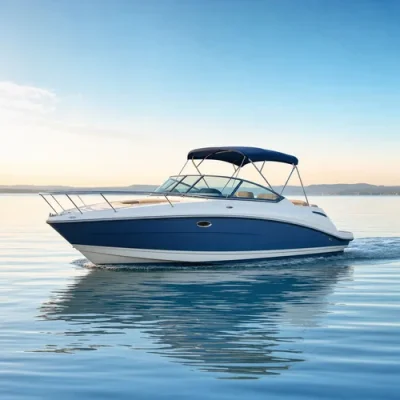
The allure of the open water is captivating. Picture yourself gliding across serene lakes, cruising along sun-drenched beaches, or experiencing the unique freedom that only boating can provide. It's more than just a purchase; it's stepping into a lifestyle that promises relaxation, exploration, and unforgettable memories.
However, as thrilling as this prospect may be, it’s crucial to make informed decisions when buying your first boat. Understanding the nuances, from choosing the right type of vessel to exploring financing options, can make all the difference. The goal of this article is to guide you through this process, ensuring that your buying experience is as smooth and enjoyable as possible.
Determine Your Ideal Boat Type
When starting your boat buying journey, understanding the different types of boats and their specific uses is essential. Are you looking for a sleek speedboat for thrilling rides, or perhaps a sailboat to harness the power of the wind? Maybe a fishing vessel is more your style, or a cabin cruiser for extended stays on the water.
Choosing the right type of boat depends heavily on your lifestyle, family size, and how you intend to use the vessel. If you have a family that loves water sports, a powerboat equipped with towing capabilities might be the best fit. On the other hand, if you dream of leisurely sailing afternoons, a sailboat would suit your needs better. It's vital to consider whether you'll be using the boat for weekend getaways, day trips, or longer excursions.
When evaluating your options, it's important to distinguish between needs and wants. While a luxurious yacht with all the bells and whistles might be tempting, it’s essential to assess what features are truly necessary for your boating lifestyle. By carefully considering these elements, you can select a boat that perfectly aligns with your expectations and ensures countless enjoyable moments on the water.
Set a Realistic Budget
When diving into the world of boat ownership, setting a realistic budget is one of the most crucial steps. The initial purchase price of the boat is just the tip of the iceberg. It's essential to consider additional costs such as registration, insurance, and ongoing maintenance. Regular maintenance can include engine servicing, hull cleaning, and winterization, which are vital to keeping your boat in good shape and retaining its value.
Beyond the basics, think about the day-to-day expenses like fuel costs, which can fluctuate significantly, especially in Australia where remote waterways might mean limited fuel availability. It's also wise to allocate funds for marina fees if you don’t plan to trailer your boat every time, as well as personal expenses for equipment such as life jackets, safety devices, and fishing gear if applicable.
In Australia, there are several financing options available to ease this financial burden. Traditional boat loans, secured loans, or even refinancing options might be suited to your situation. It’s important to shop around to find the best rates and terms that align with your financial situation. Always leave room in your budget for the unexpected, such as emergency repairs or unforeseen increases in costs. Setting aside a financial cushion will give you peace of mind and ensure that your boating experiences remain enjoyable and stress-free.
Explore Financing and Loan Options
To make your dream of owning a boat a reality, exploring various financing and loan options is essential. In Australia, there are several types of boat loans available that can cater to different financial situations and preferences. These include secured boat loans, which are typically tied to the boat as collateral, and unsecured personal loans, which might offer more flexibility but could come with higher interest rates.
When comparing financing options, it's critical to look at the interest rates and terms offered by different lenders. While some might offer competitive rates, they could come with longer loan terms, which can ultimately increase the total amount paid over time. Conversely, shorter loan terms might mean higher monthly payments but could save you money in the long run. It's advisable to use online loan comparison tools to get a better understanding of what different financial institutions offer.
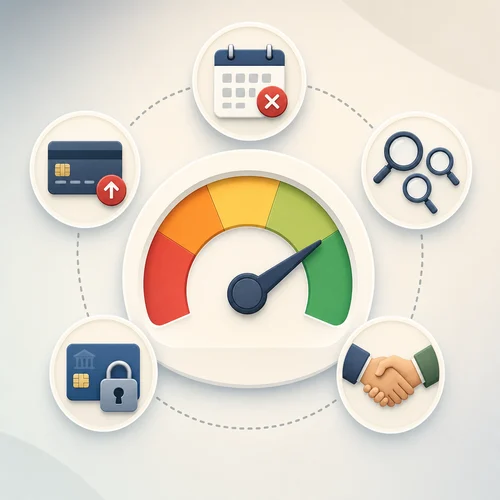
Improving your chances of loan approval can start with ensuring your credit score is in good shape. Lenders in Australia often look for a strong credit history as an indicator of reliability. You might also consider reducing existing debts to enhance your financial profile. Additionally, providing a larger deposit could reduce the overall loan amount and signal to lenders that you are serious about your investment. Seeking advice from a financial advisor might be beneficial in understanding which loan option aligns best with your fiscal goals, ensuring a smooth journey towards boat ownership.
Research Reputable Dealers
When purchasing your first boat, finding a reputable dealer is crucial to ensuring a satisfactory buying experience. Trustworthy boat sellers can offer not only quality vessels but also valuable guidance and after-sales support. Their expertise can significantly ease the process, provide peace of mind, and help you make well-informed decisions tailored to your boating needs.
To verify a dealer's reputation, begin by conducting thorough research. Look for reviews and testimonials from previous customers, which can provide insights into the dealer’s reliability and customer service. It’s also a good idea to check if the dealer is a member of any professional marine associations, as this can be an indicator of their commitment to industry standards. Additionally, ask the dealer directly about their history of operations and any certifications they hold, which can further validate their credibility.
While buying from a dealer offers advantages, such as warranties and financing options, there are also pros and cons to consider when deciding between a dealer and a private seller. Dealers often ensure a higher level of assurance regarding the boat's condition, but this might come at a higher price compared to private sellers. On the flip side, purchasing privately may allow for better pricing or negotiation flexibility; however, it requires more caution and due diligence on your part to avoid potential pitfalls. Ultimately, weighing these factors and conducting comprehensive research can guide you to make the best choice for your situation, ensuring that your boat purchase is sound and satisfactory.
Conduct Thorough Inspections
One of the most critical steps in the boat buying process is conducting a thorough inspection. This step ensures that you are making a sound investment and helps to uncover any potential issues that might not be immediately apparent. When inspecting a boat, start by focusing on key areas such as the hull, engine, electrical systems, and interior. Check for any signs of wear and tear, damage, or maintenance neglect. The hull should be free of cracks or blisters, and the overall structure should feel solid.
Engines should start smoothly and run without unusual sounds, while electrical systems must be in working order with no exposed or corroded wiring. Inside the boat, examine the condition of the upholstery, flooring, and any built-in appliances. Look for signs of leaks, moisture, or mold, which could indicate deeper problems. It’s not just a cursory glance; a detailed inspection can save you from future headaches and unexpected repairs.
Hiring a professional marine surveyor is highly recommended, as they possess the expertise to thoroughly evaluate the boat's condition and identify issues that the untrained eye might miss. A boat surveyor's report can provide leverage in negotiations or even prevent you from purchasing a problematic vessel. If issues are discovered during an inspection, carefully assess whether they are deal-breakers or minor fixes. You can negotiate with the seller to either repair the problems before purchase or reduce the asking price to cover repair costs. Always have a clear understanding of what you're willing to accept or walk away from, ensuring that you move forward with confidence and clarity in your investment decision.
Understand Insurance and Registration Requirements
Before setting sail, it's crucial to understand the insurance and registration requirements for boat ownership in Australia. Insurance is a key component, providing financial protection against unforeseen accidents or damages. There are various types of boat insurance available, including comprehensive insurance, which covers a wide range of incidents like theft, damage, and third-party liability. Another option is third-party only insurance, which protects against legal liabilities if your boat damages another person’s property or causes injury.
When choosing an insurance policy, consider the coverage scope specific to your boating needs. For instance, if you plan to navigate along extensive coastal routes, ensure your insurance covers coastal waters. Additionally, it’s wise to compare policies from different providers to find the best coverage at a competitive price.
Registering your boat is another important step in becoming a responsible boat owner. In Australia, the registration process varies by state, but typically involves submitting an application along with proof of ownership and paying a registration fee. It’s essential to display the assigned registration number prominently on your vessel, as required by law.
Understanding legal obligations and safety regulations is vital for a smooth boating experience. These regulations may include possessing necessary safety equipment, adhering to speed limits, and the need for a boat operator's license in certain states. Familiarize yourself with these requirements to ensure compliance and avoid potential penalties or issues while enjoying your time on the water.
Get Familiar with Maintenance Needs
Owning a boat comes with the responsibility of regular maintenance to keep it in top shape and prolong its lifespan. Each type of boat has its own set of maintenance tasks, whether it's a sailboat, a speedboat, or a fishing vessel. Regular maintenance includes checking the engine, inspecting the hull, and ensuring that the electrical systems are functioning correctly. It's important to conduct visual inspections regularly, looking out for any signs of wear or damage.
Handling maintenance yourself can be a rewarding experience, but it's not always the best choice for all tasks. DIY maintenance is feasible for routine checks like cleaning the boat's surface, draining bilge water, and lubricating fittings. However, more complex tasks, such as engine servicing or electrical repairs, might require professional expertise, especially if you lack experience. Hiring a professional ensures that repairs are done correctly, reducing the risk of further damage.
Regular maintenance is the key to your boat’s longevity and performance. A well-maintained boat is not only safer to operate, but it also retains its value better over time. This can be crucial should you decide to sell or upgrade your boat in the future. By keeping on top of maintenance tasks, you'll enjoy smoother sailing and peace of mind, knowing your investment is protected and ready for countless adventures on the water.
Join the Local Boating Community
Becoming part of the local boating community can greatly enhance your boating experience. Whether you're a seasoned sailor or a novice, joining clubs and online forums opens up a host of benefits. These communities offer support and camaraderie, making your boating journey more enjoyable and informative.
One of the key benefits of joining a boating club is the opportunity for continuous learning. Many clubs offer workshops, safety courses, and even group sailing lessons, allowing you to hone your skills and gain valuable knowledge about boat handling, maintenance, and navigation. Additionally, being surrounded by experienced boaters can provide mentorship and firsthand tips that you may not find elsewhere.
Networking is another significant advantage. Connecting with fellow boating enthusiasts can lead to friendships and provide opportunities to join sailing trips, participate in regattas, or even offer ride-sharing opportunities on a fellow member's boat. These connections can lead to unforgettable experiences and adventures on the water.
Finding local boating groups can be as simple as a quick search online or visiting a local marina. Websites and forums like Sailing Anarchy or the Boating Industry Association in Australia can be excellent starting points. Social media platforms such as Facebook also have various groups dedicated to boating enthusiasts in specific regions, making it easier to find a community that fits your interests and location. Embrace the chance to meet new people, share experiences, and become an active member of the thriving boating community.
Conclusion: Setting Sail with Confidence
Embarking on the journey of boat ownership is a thrilling adventure filled with new horizons and countless opportunities for enjoyment. Over the course of this guide, we've covered essential tips to make your buying experience as seamless and rewarding as possible. From determining the ideal boat type and setting a realistic budget to exploring financing options and conducting thorough inspections, each step is key to making a confident purchase.
As you step into your new boating lifestyle, remember to stay informed about insurance and registration requirements, and keep abreast of regular maintenance to ensure your vessel remains in top condition. Joining the local boating community can further enhance your experience, offering learning opportunities and connections with fellow enthusiasts.
Now that you're equipped with these essential insights, you're ready to enjoy all the exhilarating adventures your boat can offer. Whether it's serene river cruising, thrilling watersport activities, or relaxed fishing trips, seize the opportunity to create unforgettable memories.
If you require further assistance with financing or have any questions about the process, don’t hesitate to reach out. Our experts are here to provide tailored advice to suit your needs, ensuring you set sail with confidence. Begin your boating adventure today by exploring the best financing options available on our website. Welcome aboard, and happy sailing!
Published: Wednesday 25th March, 2026
Last updated: Wednesday 25th March, 2026