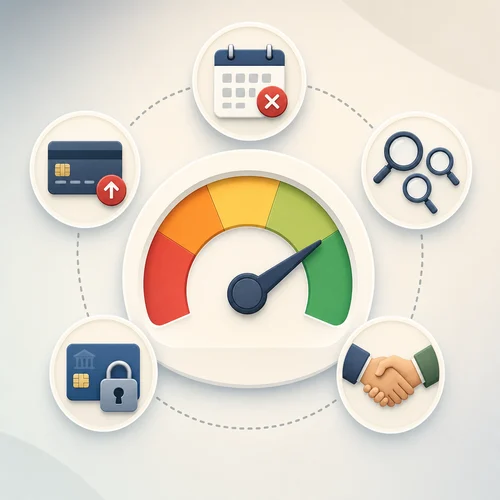
Choosing the right financing option is more than just getting approved; it’s about finding a deal that aligns with your financial situation and long-term goals. The right choice can mean lower monthly payments, better interest rates, and overall savings.
Financing doesn't only affect your monthly budget; it impacts the total cost of your car. The interest rate, loan term, and any fees can add up quickly. A car that seems affordable at first might become more expensive in the end due to poor financing terms. That's why understanding the intricacies of car financing is paramount before you drive off the lot.
Understanding New Car Financing
Definition and Brief Explanation of New Car Financing
New car financing refers to the process of obtaining funds to purchase a brand-new vehicle. Typically, this involves securing a loan from a bank, credit union, or the dealership itself. The goal is to spread the cost of the car over an agreed period, making it more manageable to fit within your budget.
When opting for new car financing, you'll generally be required to make monthly payments until the balance, plus any interest, is fully paid off. This method allows you to enjoy the benefits of a new car without shelling out the entire amount upfront.
Benefits of Financing a New Car
One of the main advantages of financing a new car is access to the latest models and technology. New cars are equipped with the latest safety features, infotainment systems, and often come with warranties that cover repairs for a certain time.
Moreover, new cars often come with better financing rates and terms. Dealerships tend to offer promotional interest rates or incentives for new models, making them more affordable over the long term.
Drawbacks to Consider with New Car Financing
Despite these benefits, there are considerations to keep in mind. New cars depreciate quickly; they lose a significant portion of value as soon as they’re driven off the lot. This could mean owing more on your loan than the car is worth.
Additionally, the overall cost can be higher due to the base price of new cars and any additional features you might choose. It's essential to weigh these factors against your budget and financing terms to ensure you're making a sound financial decision.
Understanding Used Car Financing
Definition and Brief Explanation of Used Car Financing
Used car financing involves obtaining funds to purchase a pre-owned vehicle. Typically, this process entails securing a loan from a bank, credit union, or other financial institution. The primary aim is to make buying a used car more affordable by spreading payments over a period, rather than paying a lump sum upfront.
Financing a used car often includes similar terms to new car financing, such as monthly payments and applicable interest rates. However, the total loan amount is usually lower due to the reduced price of used cars, making it an appealing option for many buyers.
Benefits of Financing a Used Car
One significant benefit of financing a used car is the cost-effectiveness. Used cars generally have lower prices than new ones, which means smaller loans and potentially lower monthly payments. This can make used car financing particularly attractive for budget-conscious buyers.
Additionally, because used cars depreciate at a slower rate than new cars, owners may find themselves in a better equity position sooner. This aspect can make upgrading to another vehicle less financially strenuous when the time comes.
Potential Drawbacks of Used Car Financing
While used car financing has its merits, there are some drawbacks to consider. Interest rates for used car loans might be higher than those for new cars, reflecting the increased risk for lenders due to the car's age and condition.
Moreover, used vehicles may not come with warranties, meaning repairs or maintenance costs could add up over time. Buyers need to thoroughly inspect the vehicle and potentially incur extra costs for warranties, thoroughly affecting the overall financial equation.
Key Differences Between New and Used Car Financing
Interest Rates Comparison
When it comes to interest rates, new car financing often has the edge. Lenders generally offer lower rates for new cars as these loans are deemed less risky. This is because new cars are less likely to suffer from immediate issues and hold a higher resale value, ensuring lenders a better collateral position.
Conversely, used car loans can come with higher interest rates. The increased rate compensates lenders for the greater risks associated with older vehicles, such as potential mechanical issues and quicker depreciation. Thus, if securing the lowest possible interest rate is a priority, new car financing might be more attractive.
Depreciation Rates
Depreciation plays a pivotal role in the financing decision. New cars depreciate rapidly, losing a considerable portion of their value the moment they leave the dealership. This rapid depreciation can lead to situations where the car's value is less than the amount owed, a scenario known as being "upside down" on a loan.
Used cars, however, experience depreciation at a much slower rate. They've already gone through the most significant depreciation drops when they were new. This aspect can make used cars a wiser choice for those looking to avoid steep value loss shortly after purchase.
Loan Terms and Conditions
Loan terms and conditions differ markedly between new and used car financing. New car loans often offer longer terms, potentially extending up to seven years. These extended terms can translate to lower monthly payments, but they also mean longer commitments and potentially higher total interest costs over the life of the loan.
Used car loans, by contrast, might have shorter terms due to lenders seeking to reduce risk by recouping their loan amounts more quickly. While this can result in higher monthly payments, it may be beneficial in paying off the loan faster and accumulating less interest overall, aligning better with a shorter ownership timeline.
Assessing Your Needs and Budget
Factors to Consider When Choosing Between New and Used Car Financing
When deciding between new or used car financing, it's essential to evaluate several factors. Consider your personal preferences, such as the desire for new technology or specific features, which are more prevalent in new cars. Reliability is another aspect; newer cars typically have fewer mechanical issues compared to their used counterparts.
Additionally, consider your lifestyle and driving habits. If you plan on using the car for long commutes, a reliable new car with a warranty might be appealing. On the other hand, if you're looking for a practical vehicle for short trips, a used car with less depreciation might suit your needs better.
Setting a Realistic Budget
Establishing a budget is a critical step in choosing the right car financing option. Begin by accounting for all associated costs, including monthly payments, insurance, maintenance, and fuel. Your budget should factor in these expenses without overextending your finances. Aim to allocate a portion of your income so car-related expenses follow the well-known financial guideline of not exceeding 20% of your monthly income.
This realistic budgeting will help you maintain financial stability while enjoying your vehicle, whether new or pre-owned. Understanding your total financial picture ensures you're prepared for any costs that arise.
Assessing Long-Term Financial Impact
It’s vital to assess the long-term financial implications of car financing. New car purchases may offer lower interest rates and extended warranties, but you should weigh these benefits against the quick depreciation and potential for a higher loan balance. This also impacts future resale opportunities.
With used cars, although immediate depreciation is less concerning, higher interest rates and potential repair costs can affect your financial outlook. Observing the total cost of ownership over time, including the impact on savings or other investments, will guide you in making a choice that complements your long-term financial goals.
Tips for Getting the Best Financing Deal
Improving Your Credit Score
One of the most effective ways to secure a great financing deal is by enhancing your credit score. A higher credit score opens the door to better loan offers, reduced interest rates, and more favourable terms.
Start by regularly checking your credit report for errors and promptly addressing any discrepancies you find. Consistently paying bills on time and reducing any existing debt can significantly boost your score. Avoid opening too many new credit accounts in a short period, as this can negatively impact your credit profile.
Comparing Loan Offers
Shopping around for loan offers from various lenders is crucial to ensure you’re getting the best deal possible. Banks, credit unions, and online lenders often have different rates and terms, so gathering multiple offers gives you a comparison basis.
Pay attention to the Annual Percentage Rate (APR) as it provides a comprehensive view of the loan's cost. Consider pre-approval options to understand what each lender is willing to offer without impacting your credit score initially.
Negotiating Tips and Strategies
Negotiation can make a significant difference in the financing offer you receive. Approach the negotiation with confidence, armed with knowledge of current interest rates and competitor offers. Be clear about your financial limits and desired terms.
Don’t be afraid to ask for better terms, such as a reduced interest rate or waiver of fees. Negotiating does not only apply to the loan itself but also to the purchase price of the vehicle, which can ultimately affect the financing deal you secure.
Common Mistakes to Avoid in Car Financing
Ignoring Total Loan Costs
One common pitfall in car financing is focusing solely on monthly payments without considering the total loan costs. While a lower monthly payment might seem attractive, it could mean a longer loan term, resulting in higher overall interest paid. It's crucial to evaluate the total cost of the loan, including interest, fees, and other charges, to ensure you're making an informed decision.
By calculating the total amount you'll pay over the life of the loan, you can avoid unpleasant surprises and ensure that your car financing strategy aligns with your financial goals.
Overlooking Loan Terms and Conditions
Another mistake many consumers make is not thoroughly reading and understanding the loan terms and conditions. Essential details like prepayment penalties, interest rate changes, or late fee policies can significantly impact your financial health if overlooked. Take the time to review all aspects of the loan agreement to avoid unexpected costs or obligations.
Clear understanding of terms such as the loan term length, payment schedule, and any additional fees can help you make a choice that fits your budget and prevents future complications.
Not Researching Lender Reputation
Choosing the right lender is a critical aspect of car financing, yet many people neglect to research lender reputation. While competitive interest rates are important, ensuring the lender is reputable and reliable is equally crucial. Research customer reviews, ratings, and any potential red flags before committing to a lender.
Engaging with a well-regarded lender ensures a smoother borrowing experience and minimizes the risk of encountering problematic terms or practices. Prioritizing lender reputation can offer peace of mind and potentially better customer service throughout the loan's duration.
Conclusion
Summarizing Key Points
Throughout this article, we've explored the facets of car financing in Australia, examining both new and used car options. We've looked at the benefits and drawbacks of each, paying particular attention to interest rates, depreciation, and loan terms. By gaining this understanding, you're well-equipped to evaluate which option best aligns with your financial goals and lifestyle needs.
Understanding the interplay of these factors is crucial in making a thoroughly informed decision. Whether you're swayed by the appeal of the latest features in a new car or drawn to the cost-effectiveness of purchasing used, the information provided serves as a guide to navigate this often complex financial landscape.
Encouraging Informed Decision-Making
Your car financing decision shouldn't be rushed. Take the time to assess your credit score and how it influences your financing options. Scrutinize all loan offers and don’t hesitate to negotiate terms that better suit your needs. Making a choice with foresight ensures your financial stability and satisfaction with your purchase months and years down the line.
Be proactive in reviewing terms and seeking advice from financial professionals if necessary. Consider all aspects, including total cost and long-term financial implications, to make a decision that aligns well with your financial landscape.
Reader Engagement and Questions
We encourage you to take this knowledge and apply it confidently. If you have any questions or need further clarification, don't hesitate to reach out. Engaging with financial advisors or discussing within communities can provide additional insights tailored to your specific situation.
We'd love to hear from you about your experiences with car financing or any tips you might have. Feel free to share your thoughts, questions, or feedback, as your input is invaluable in helping others navigate their car financing decisions.
Published: Wednesday 25th March, 2026
Last updated: Wednesday 25th March, 2026