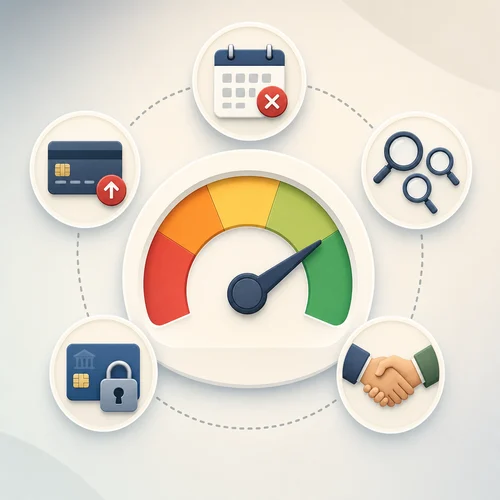
Consider the common frustrations business owners face when applying for loans: unclear requirements, unexpected rejections, or the labyrinth of paperwork. The goal of this guide is to demystify the loan application process and help you navigate it with confidence.
By the end of this article, you'll be better equipped to meet lender expectations and avoid the usual pitfalls. So, grab a cuppa, and let's untangle the complexities of securing the financial support your business deserves.
Understand Your Financial Needs
One of the first steps in preparing your small business for a loan application is understanding exactly how much you need to borrow. Knowing this not only aligns your financial strategy but also helps in tailoring a loan application that fits your business's unique circumstances.
Calculating your financial needs involves a thorough assessment of your current financial position and future business goals. Start by evaluating your business plan and identifying areas that require additional funding. Whether it's expansion, upgrading equipment, or boosting working capital, articulate these needs clearly.
It's crucial to strike the right balance: overestimating your needs might lead to unnecessary debt, while underestimating may restrict your business growth. Both scenarios can alter the terms of your loan and impact your business's financial health. Ensure your calculations are as precise as possible to support your business goals and secure favourable loan conditions.
Assess Your Credit Score
Before applying for a business loan, it’s crucial to assess your credit score as lenders use this as a key indicator of your financial reliability. A solid credit score not only enhances your application but may also give you access to better loan terms and lower interest rates. Knowing where you stand can help you take proactive steps to improve your score if necessary.
Checking your credit score involves looking at both your personal and business credit reports. Many financial institutions and online services offer free or low-cost credit score checks. It’s important to review these reports regularly to ensure they’re accurate and reflect your current financial standing.
If you find areas for improvement, there are several ways to boost your score. Pay your bills on time, reduce existing debts, and avoid taking on new credit unless absolutely necessary. Moreover, regularly monitoring your credit can help you detect and rectify any discrepancies. By maintaining a healthy credit score, you're well on your way to a stronger loan application.
Prepare Essential Documentation
Securing a business loan requires assembling a comprehensive set of documents. Proper preparation here can streamline the application process and enhance the likelihood of approval. Below are some of the key documents you'll need to present:
- Financial statements, including profit and loss statements and balance sheets
- Tax returns for at least the past two years
- A detailed business plan outlining your business's goals and financial projections
- Bank statements and any relevant contracts or legal paperwork
Organising these documents systematically is imperative. Start by ensuring that your financial statements and tax returns are accurate and up to date. If accounting isn't your forte, consider consulting an expert to help present these documents in the best light.
A comprehensive business plan is more than just a formality; it's a crucial tool for showcasing your business's vision and potential. Highlight sections that detail your growth strategies and the financial forecasts that justify the loan amount you are requesting. Tailor your business plan to clearly illustrate how the loan will facilitate achieving these objectives, providing both qualitative and quantitative data.
By delivering a well-organised document package, you not only facilitate the review process but also project professionalism and preparedness, setting a positive tone with potential lenders.
Solidify Your Business Plan
Creating a compelling business plan is essential when applying for a loan, as it acts as a roadmap for your business's future and a tool to convince lenders of its viability. A well-structured business plan not only demonstrates your understanding of the business but also your readiness to handle the obligations of additional funding.
Key components of a strong business plan include a thorough market analysis, detailed product or service offerings, and robust financial projections. Your market analysis should display an understanding of your industry, customer demographics, and competitors. This information shows that you're well-prepared to navigate your market and seize growth opportunities.
Financial projections are equally important as they offer a forecast of your business's financial performance over the coming years. This section should include projected income statements, cash flow statements, and balance sheets. It provides lenders with insights into your business's potential profitability and sustainability.
By integrating these elements into your business plan, you demonstrate an analytical approach and forward-thinking strategy. Tailoring your business plan to clearly articulate how the loan will support your business goals can substantially enhance your application and set you apart from other candidates.
Explore Different Loan Options
When you're considering a loan for your small business, it’s vital to explore the array of options available. Different types of loans cater to various needs, and understanding these can help you choose the one best suited to your business's unique requirements.
Some common types of small business loans include traditional bank loans, lines of credit, equipment financing, and invoice financing. Bank loans are ideal for long-term funding and often offer competitive interest rates, though they may require extensive documentation. Lines of credit provide flexibility, allowing you to access funds when needed, making them suitable for managing cash flow.
Equipment financing is particularly useful if you're looking to purchase machinery or technology, as the equipment itself often acts as collateral. Invoice financing helps businesses bridge cash flow gaps by advancing funds based on unpaid invoices. This can be particularly advantageous for businesses with long billing cycles.
Each loan type has its pros and cons. For instance, while bank loans generally offer lower interest rates, they tend to have a rigorous application process. On the other hand, while invoice financing provides quick access to cash, it can come with higher fees.
Understanding the nuances of each loan option and matching them to your business’s needs can significantly impact your financial strategy and ensure that the loan supports your growth ambitions effectively. Consider your business’s cash flow cycle, capital requirements, and repayment ability when selecting the best loan type for your situation.
Build a Relationship with Your Lender
Establishing a strong rapport with potential lenders is a vital step that can significantly enhance your loan application process. Building a relationship with your lender not only helps you gain insights into their expectations but also makes you a more memorable candidate in their eyes. A genuine connection can sway the decision in your favour, particularly when your application is on the borderline of approval.
Effective communication is key to building this relationship. Engage with lenders by asking relevant questions and demonstrating a keen understanding of your business's financial needs. Show them you value their expertise and are open to advice on structuring your loan to suit both their requirements and your business's goals.
Transparency plays a crucial role in developing trust with your lender. Be upfront about your business’s strengths and weaknesses, financial projections, and how you plan to use the loan. If there are any past financial difficulties, address them honestly and highlight the steps you’ve taken to rectify the situation. Lenders appreciate openness and honesty, which can help build confidence in your ability to repay the loan.
Cultivating a strong lender relationship can provide ongoing benefits, such as easier access to future loans and more favorable terms. By prioritising clear communication and trust, you lay the groundwork for a successful partnership that supports your business's financial health.
Presentation is Key
When applying for a business loan, how you present yourself and your business can greatly influence the outcome. Presenting professionally not only establishes credibility but also sets you apart from other applicants. First impressions count, so it's crucial that both you and your business plan convey confidence and competence.
When meeting with potential lenders, show that you have a thorough understanding of your business and the market in which it operates. Dress appropriately, maintain eye contact, and communicate clearly and confidently. This professionalism reassures lenders that you handle your business matters with care and diligence.
Your business plan should be clear, concise, and visually appealing. Use charts and graphs to highlight key financial projections and market trends. Be sure to tailor your pitch to the lender, emphasizing how the loan aligns with both your business goals and their lending criteria.
Focus on the key points during your presentation, and be prepared to answer questions with detailed explanations and evidence. Avoid overloading the presentation with too much information. Instead, direct attention to the aspects most relevant to the success and financial health of your business.
The dos of business loan presentations include practicing your pitch ahead of time, being honest about your business’s past challenges, and being polite and grateful for the lender's time and consideration. The don'ts include being vague about your financials, appearing overconfident, or ignoring the lender's feedback and questions.
By honing your presentation skills and tailoring your business plan to match lender expectations, you improve your chances of securing the loan and advancing your business goals.
Conclusion
As we wrap up this guide on preparing your small business for a successful loan application, let's quickly revisit the main points we've covered. We've dived into understanding lender criteria, assembling crucial financial documents, and recognising the significance of your business credit score. We also discussed building a solid business plan, estimating accurate cash flow projections, and the necessity of justifying the loan amount. Exploring different loan types and building relationships with lenders can further improve your application's success rate.
These steps are not just administrative hurdles; they're strategic tools to align your business's financial proposals with lender expectations. Each element we've discussed plays a vital role in presenting a cohesive and compelling case to potential lenders, thereby boosting your chances for approval. By implementing these tips, you'll be better positioned to secure the financial support your business needs to thrive.