Introduction
A caravan can support weekend trips, longer touring plans or a broader lifestyle change, but the finance decision should be considered carefully. The purchase price is only one part of the commitment. Loan repayments, interest, fees, registration, insurance, maintenance and possible upgrades can all affect affordability.
The questions below are designed to help Australian consumers think through caravan finance before signing a loan agreement. They are educational in nature and do not replace personal financial advice.
1. What are my budget and financial limits?
Start by looking at your current financial position before focusing on a particular caravan. Consider your income, essential living expenses, existing debt repayments, savings goals and any other regular commitments.
A realistic budget should include both the amount you can afford to borrow and the amount you can comfortably repay each month. It is easy to be drawn towards a larger model or extra features, but exceeding your limit can put pressure on your broader finances.
Costs to include in your budget
- The caravan purchase price.
- Loan repayments and any loan fees.
- Registration and insurance.
- Ongoing maintenance and repairs.
- Accessories or equipment, such as towing equipment, awnings or solar panels.
- Modifications or upgrades you may want to make.
Using a repayment estimate can help you test different loan amounts and terms before you make a decision. A dedicated caravan loan repayment calculator can be useful when planning your budget and comparing repayment scenarios.
2. What type of caravan suits how I will use it?
The right caravan depends on how you plan to travel. A caravan for occasional weekend trips may not need the same layout, storage or durability as one intended for long-term travel or use as a home on the move.
Before choosing a model, define your usage requirements. Consider who will travel with you, how often you expect to use the caravan, where you plan to go and what level of comfort you require.
Common caravan types to compare
- Traditional caravans: often suited to family holidays and general touring.
- Pop-top caravans: may appeal to buyers looking for an easier-to-tow option.
- Off-road caravans: designed for more rugged terrain and remote travel.
- Camper trailers: a more compact and minimalist option for some travellers.
Researching different brands, reading reviews and speaking with experienced caravan owners can help you narrow your options. The aim is to finance a caravan that matches your needs without paying for features you are unlikely to use.
3. How much can I put down as a deposit?
Your deposit affects how much you need to borrow. A larger deposit reduces the loan amount, which can lower monthly repayments and reduce the total interest paid over the loan term.
A deposit may also influence how a lender assesses the application, because borrowing less against the caravan can reduce lending risk. However, the terms offered will still depend on the lender, the loan type, your financial position and your credit profile.
When deciding on a deposit, balance the benefit of borrowing less against the need to keep enough cash available for registration, insurance, travel costs, maintenance and unexpected expenses.
4. What caravan finance options are available?
There are several ways to finance a caravan. Each option has different features, costs and conditions, so it is important to compare them carefully before committing.
| Finance option | How it generally works | Points to consider |
|---|---|---|
| Secured loan | The caravan is used as security for the loan. | May have lower interest rates than unsecured borrowing, but the caravan is tied to the loan as collateral. |
| Unsecured personal loan | The loan is not secured against the caravan. | Does not require the caravan as security, but may have higher interest rates. |
| Dealer finance | Finance is arranged through or at the point of sale. | Can be convenient, but should still be compared with other lender options. |
| Leasing | You use the caravan under a lease arrangement rather than owning it outright. | May include limits or fees, such as usage restrictions or wear-and-tear charges. |
If you are weighing up whether the caravan should be used as collateral, this guide to secured and unsecured caravan loans explains the basic differences in more detail.
When you compare caravan finance options, look beyond convenience. Review the interest rate, fees, loan term, repayment structure and any conditions that may affect how the loan works over time. If you later decide to request quotes, keep the comparison focused on the total loan cost and the suitability of the terms for your budget; the website's caravan finance quote start page is one place to begin that process.
5. What are the interest rates and loan terms?
The interest rate is a major factor in the total cost of a caravan loan. The rate offered can vary depending on the lender, the type of loan and the applicant's credit profile.
The loan term is also important. A shorter term usually means higher monthly repayments, but the loan is repaid faster and may cost less in total interest. A longer term can reduce the monthly repayment amount, but interest may be paid for a longer period.
Questions to ask about loan terms
- Is the interest rate fixed or variable?
- How long is the loan term?
- What fees apply upfront or during the loan?
- Are extra repayments allowed?
- Are there any early repayment penalties?
- Can any fees or conditions be negotiated?
Do not compare loans by monthly repayment alone. A lower repayment may simply reflect a longer loan term, which can increase the total amount paid over the life of the loan.
6. Are there any extra or hidden costs?
Some caravan finance costs are obvious, while others may only become clear after reading the loan contract or speaking with the dealer. Before agreeing to finance, ask for a full breakdown of the costs involved.
Loan-related costs to check
- Application fees.
- Processing or establishment fees.
- Ongoing account fees.
- Early repayment penalties.
- Other conditions that may affect the cost of the loan.
Ownership costs to allow for
- Registration.
- Insurance premiums.
- Maintenance and repairs.
- Accessories and equipment.
- Optional modifications or upgrades.
Reading the fine print matters. Lenders should disclose applicable fees, but it is still your responsibility to understand what you are agreeing to. Ask questions about anything that is unclear, and compare quotes from different lenders or dealers to help identify unusual charges.
7. Can I afford the monthly repayments?
Monthly affordability is one of the most important parts of any caravan finance decision. Estimate the repayment amount using the loan amount, interest rate and term, then compare that figure with your regular budget.
After essential expenses and existing debt repayments are accounted for, consider whether the caravan repayment leaves room for savings, discretionary spending and unexpected costs. A repayment that looks manageable on paper may still be difficult if your income changes or other expenses increase.
Ways to test affordability
- Calculate repayments at different loan terms.
- Compare repayments with your current monthly surplus.
- Allow for insurance, registration and maintenance as separate costs.
- Consider whether a larger deposit would reduce the repayment to a more manageable level.
- Think about potential changes to income, employment or expenses during the loan term.
An emergency fund can provide a buffer for unexpected expenses such as medical bills, vehicle repairs or changes in income, although it does not remove the need to ensure the loan is affordable from the outset.
8. What is the total cost over the loan term?
The total cost of borrowing includes more than the amount financed. It includes the interest paid over the loan term plus any upfront fees, ongoing charges or penalties that apply.
One simple way to estimate the total repayment amount is to multiply the monthly repayment by the number of repayments, then add any fees that are not already included. This can help you compare loan options side by side.
Why total cost matters
- A loan with a lower monthly repayment may cost more overall if the term is longer.
- A lower interest rate may not be the cheapest option if fees are high.
- Extra repayments may reduce interest costs if the loan allows them without penalty.
- Focusing only on short-term affordability can hide the long-term financial impact.
When comparing loans, review the rate, fees, repayment structure and total amount payable rather than relying on a single headline figure.
9. What repayment options are available?
Different loans may offer different repayment structures. Understanding how repayments work can help you choose terms that fit your cash flow and long-term plans.
| Repayment feature | What it means | Considerations |
|---|---|---|
| Principal and interest repayments | Each repayment reduces the loan balance and covers interest. | This is a common structure and helps the loan balance reduce over time. |
| Interest-only repayments | Repayments cover interest for a period, while the principal remains unchanged. | Can reduce payments temporarily, but principal repayments will still be required later. |
| Fixed repayment plan | Repayments are more predictable for budgeting purposes. | Check whether extra repayments or early payout fees apply. |
| Flexible repayment plan | May allow features such as extra repayments or redraw from additional payments. | Flexibility may come with variable rates or other conditions. |
If you value certainty, a fixed repayment arrangement may be easier to budget for. If your income varies or you want to make extra repayments, flexibility may be worth considering. The important step is to read the loan conditions and understand the trade-offs before signing.
10. Will financing affect my credit score?
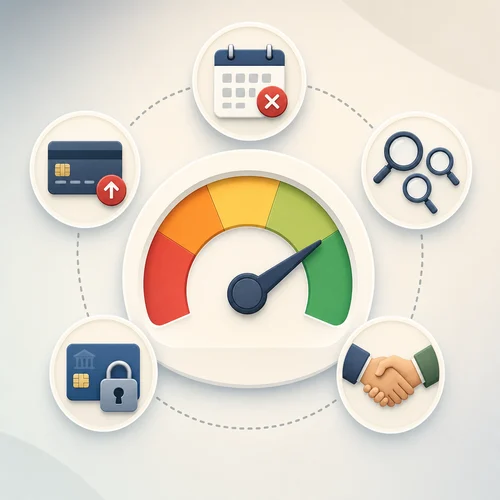
Applying for caravan finance can affect your credit profile. When you apply, lenders may conduct a credit inquiry. Multiple applications over a short period can be a concern because each inquiry may be recorded.
If a loan is approved, the new debt and your repayment behaviour can also become part of your credit history. Making repayments on time may support a healthier credit profile over time, while late or missed payments can have a negative effect.
Before applying, it can be useful to understand how your credit history may influence the application and the loan terms offered. For more detail, see this guide on how bad credit can affect a caravan loan application.
Credit-related questions to ask
- Do I know what is currently on my credit report?
- Am I applying only when I am ready, rather than submitting multiple unnecessary applications?
- Can I comfortably make repayments on time?
- Would professional assistance help me understand the options available?
If you want help understanding the finance process, it may be useful to learn about the role of finance brokers and how they may assist with comparing loan options.
Final checklist before financing a caravan
Before signing a caravan loan agreement, work through the following questions:
- What are my budget and financial limits?
- What type of caravan is best for my travel needs?
- How much can I put down as a deposit?
- Which finance options are available to me?
- What interest rates, fees and loan terms apply?
- Are there any extra costs I have not budgeted for?
- Can I afford the monthly repayments now and during the loan term?
- What is the total cost of borrowing?
- What repayment options and conditions apply?
- How could the loan affect my credit profile?
Financing a caravan can support your travel plans, but it is still a long-term financial commitment. Taking time to compare options, read the fine print and understand the full cost can help you make a more informed decision.
Published: Monday 17th February, 2025
Last updated: Wednesday 19th August, 2026