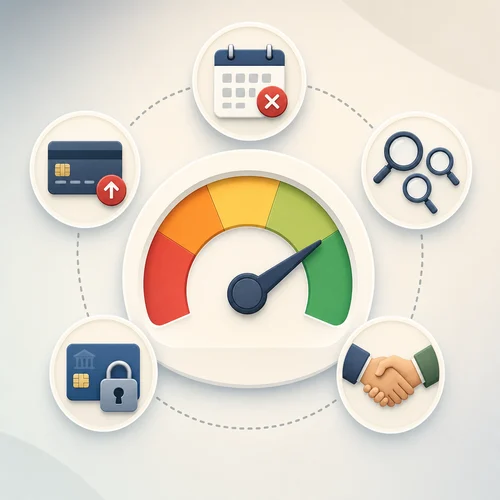
Why loan terms and conditions matter
Business loans in Australia are available through a range of lenders, including traditional banks, online lenders and, in some cases, programs with government involvement. Each lender and product can have different eligibility criteria, pricing, repayment structures and conditions.
For new business owners, understanding the loan agreement before signing is important because the headline loan amount or advertised rate is only part of the picture. The loan terms explain the amount borrowed, interest rate, repayment period and payment structure. The loan conditions explain the requirements the borrower must meet before and during the loan.
This guide explains the main parts of a business loan agreement, common loan types, how repayments and conditions work, and what to compare before applying.
What are loan terms and conditions?
Loan terms
Loan terms are the core details of the borrowing arrangement. They usually include the principal, interest rate, repayment frequency, loan term, fees, security arrangements and any special repayment features such as a balloon payment.
The principal is the amount borrowed before interest and fees are added. The loan term is the period over which the loan is scheduled to be repaid. The repayment schedule explains how often payments are due and how they are calculated.
Loan conditions
Loan conditions are the requirements set by the lender. Some conditions apply before funds are advanced, while others continue for the life of the loan. Examples may include providing financial information, maintaining certain financial measures, limiting additional borrowing, or offering collateral or a personal guarantee.
Understanding the difference between terms and conditions helps a borrower identify both the cost of the finance and the ongoing obligations attached to it.
Common types of business loans
Different loan types suit different funding purposes. The right structure depends on what the funds are needed for, how cash flow is expected to behave and what repayment pattern the business can manage.
| Loan type | How it works | Common use | Key considerations |
|---|---|---|---|
| Term loan | A lump sum is borrowed and repaid over an agreed period. | Major purchases, expansion, fit-outs or working capital. | May have fixed or variable interest. Longer terms can reduce regular repayments but may increase total interest paid. |
| Line of credit | The borrower can draw funds up to an approved limit and generally pays interest on the amount used. | Ongoing operating costs, short-term cash flow or seasonal needs. | Offers flexibility, but variable rates and fees can affect predictability. |
| Equipment finance | Finance is used to purchase machinery, vehicles or equipment. | Business assets required for operations. | The equipment may act as security, but funds are usually limited to the asset purchase. |
| Invoice finance | Funds are advanced against outstanding customer invoices. | Cash flow support while waiting for customer payments. | Can provide faster access to working capital, but fees and interest need careful review. |
Before comparing products, it can help to match the loan type to the funding purpose. For example, a term loan may suit a defined expansion project, while a line of credit may suit irregular operating costs. Equipment finance may be relevant where the borrowing is tied to a specific asset, and invoice finance may assist when cash flow is affected by unpaid invoices.
Key loan terms to review
Interest rate
The interest rate determines how much interest is charged on the borrowed amount. Business loans may have fixed or variable rates.
- Fixed rates remain the same for the relevant fixed period, which can make repayments more predictable.
- Variable rates can move with market conditions or lender pricing changes, meaning repayments may rise or fall.
Interest may be calculated in different ways. Simple interest is based on the principal amount, while compound interest adds interest to accumulated interest at regular intervals. Borrowers should confirm how interest is calculated and when it is charged.
For more detail on pricing factors, see this guide to how business loan interest rates work in Australia.
Repayment schedule
The repayment schedule explains how often repayments are due and how much must be paid. Monthly repayments are common and can make budgeting more straightforward. Quarterly repayments may be considered by businesses with seasonal income or less frequent revenue cycles.
Some loans may include a balloon payment, which is a larger final payment due at the end of the term. A balloon payment may reduce regular repayments during the loan, but it creates a larger obligation later. The borrower needs to plan for that final amount.
To test different repayment amounts and loan terms, a business loan repayment calculator can be useful as an estimation tool.
Loan term
The loan term is the length of time allowed for repayment. Short-term loans are often used for immediate working capital needs and may have higher regular repayments. Long-term loans can spread repayments over a longer period and may be used for larger investments such as equipment, premises or expansion projects.
A longer term can reduce each scheduled repayment, but the borrower may pay interest for a longer period. A shorter term can increase regular repayments, but may reduce the total interest paid if the loan is repaid sooner. The appropriate balance depends on the business's cash flow and the lender's terms.
Fees and charges
Fees can materially affect the total cost of borrowing. Common fees to check include establishment or origination fees, processing fees, account keeping fees, late payment fees and prepayment penalties.
A loan with a lower interest rate may not be the lowest-cost option if it carries higher fees or restrictive conditions. Borrowers should ask for a full breakdown of charges before signing.
Important loan conditions
Collateral and security
Collateral is an asset pledged to secure a loan. If the borrower does not meet the repayment obligations, the lender may have rights to recover losses from the secured asset, depending on the agreement.
Collateral can include real estate, equipment, inventory or receivables. The type of acceptable collateral depends on the lender, the loan purpose and the loan structure. Borrowers should consider the value and importance of any asset being offered as security, especially if the asset is essential to business operations.
Security arrangements may also involve personal guarantees. For a closer look at this topic, read about personal guarantees and security for business loans in Australia.
Creditworthiness
Lenders commonly assess creditworthiness when reviewing a business loan application. This may include personal and business credit history, current debt levels, revenue streams, financial history and industry-specific risks.
A stronger credit profile and transparent financial records may support a lender's assessment, but they do not guarantee approval or particular terms. Borrowers should check their credit information, correct errors where possible and keep current obligations up to date before applying.
Covenants
Loan covenants are conditions the borrower must follow during the life of the loan. They are designed to give the lender visibility over the borrower's financial position and to limit certain risks.
- Positive covenants require the borrower to do certain things, such as provide regular financial reports or maintain agreed financial ratios.
- Negative covenants restrict certain actions, such as taking on more debt or making large capital purchases without lender approval.
Covenants can affect how a business operates. A restrictive covenant may limit the ability to make fast decisions, invest in assets or respond to market changes. Borrowers should review whether they can comply with each covenant without creating operational difficulties.
How to compare business loan offers
Look beyond the headline interest rate
The interest rate is important, but it is not the only cost. Where an annual percentage rate, comparison rate or similar total-cost measure is provided, it may help compare the effect of fees and charges as well as interest. If no combined measure is provided, borrowers should calculate or request the total expected cost over the loan term.
Compare repayment structure and flexibility
Repayment frequency, loan term, variable or fixed pricing, prepayment rules and balloon payments can all affect cash flow. A loan that appears manageable at the start may become difficult if revenue changes, repayments rise, or a large final payment is not planned for.
Read the fine print
Loan agreements can contain clauses that are easy to overlook. Pay close attention to late payment consequences, prepayment penalties, default clauses, security rights, reporting obligations and any restrictions on business activity.
Any term that is unclear should be clarified with the lender before signing. Keeping written records of explanations can also help avoid misunderstanding later.
Compare multiple lenders
Comparing lenders can help a business understand how rates, fees, repayment schedules and loan conditions differ across the market. If you are ready to research available options, you can compare business loan options and review the terms carefully before making an enquiry or application.
Preparing before a loan application
Preparation can make the application process more efficient and help the borrower understand what the lender is likely to assess. Useful preparation may include:
- preparing a clear business plan that explains the funding purpose;
- gathering financial statements, tax returns and identification documents;
- reviewing personal and business credit information;
- checking current debts and repayment obligations;
- identifying available collateral, if a secured loan is being considered;
- estimating repayments under different loan amounts, rates and terms; and
- listing questions about fees, covenants, early repayment and default clauses.
Borrowers who want professional support can also learn more about the role of business loan brokers and advisers.
Common mistakes to avoid
Overlooking hidden fees
Fees such as establishment fees, processing fees, late payment fees and prepayment penalties can increase the overall cost of a loan. Borrowers should request a complete fee schedule and consider those costs alongside the interest rate.
Not reading the agreement thoroughly
The loan agreement sets out the borrower's obligations and the lender's rights. Skimming the document can lead to misunderstandings about repayments, security, covenants or default consequences. Every section should be reviewed before signing.
Ignoring the total cost of the loan
Focusing only on a low rate can be misleading. The total cost includes interest, fees, repayment timing, the loan term and any final or balloon payment. A longer loan term may reduce regular repayments but increase total interest paid over time.
Choosing a repayment schedule that does not match cash flow
Repayments need to be considered against expected revenue patterns. A business with seasonal income may need to pay particular attention to repayment timing and liquidity.
Accepting restrictive conditions without considering the operational impact
Covenants, collateral requirements and restrictions on future borrowing can affect business decisions. Borrowers should consider how each condition may affect day-to-day operations and future plans.
Final checklist before signing
Before entering a business loan agreement, review the following points:
- What is the principal amount, and how will the funds be used?
- Is the interest rate fixed or variable?
- How is interest calculated and charged?
- What fees apply at establishment, during the loan and at repayment?
- What is the repayment frequency?
- Is there a balloon payment or other large final payment?
- What collateral, security or guarantees are required?
- What covenants or reporting obligations apply?
- What happens if a repayment is late or missed?
- Are there penalties or fees for early repayment?
- Does the repayment structure align with expected business cash flow?
- Have unclear clauses been explained before signing?
Business loan terms and conditions can shape both the cost of finance and the flexibility a business has after borrowing. Taking time to compare offers, understand obligations and seek appropriate professional guidance where needed can help business owners make more informed decisions.