How to manage debt: start with a clear picture
Debt is money borrowed with an obligation to repay it. It can include credit card balances, personal loans, car loans, student debts, mortgages, buy-now-pay-later balances and other financial obligations. Not all debt is automatically harmful, but debt can become difficult to manage when repayments, interest and fees start affecting everyday living costs or long-term plans.
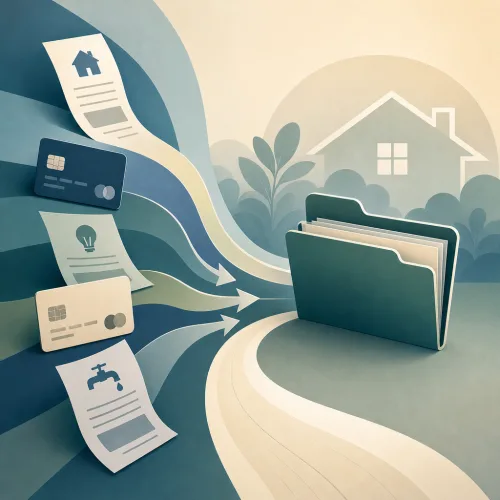
The first step in any debt management plan is to understand your current position. Gather your most recent statements and list each debt in one place. Include the lender, balance owing, interest rate, minimum repayment, fees, due date and whether the debt is secured against an asset.
This process helps you see which debts are costing the most, which payments are urgent, and whether your current budget can support your repayment commitments.
Warning signs that debt may be becoming unmanageable
Debt can become harder to resolve the longer warning signs are ignored. Consider seeking help early if you are:
- missing repayments or only making minimum payments without reducing balances;
- using credit cards, loans or buy-now-pay-later for essential expenses;
- borrowing more to keep up with existing debts;
- feeling overwhelmed, anxious or unable to create a workable budget;
- falling behind on rent, mortgage payments, utilities or other priority bills; or
- being contacted regularly by creditors or collection agencies.
If these issues apply, free financial counselling may be a useful starting point. Australian resources such as the National Debt Helpline, Financial Counselling Australia, ASIC Moneysmart and the Australian Financial Security Authority can help consumers understand options and obligations.
Create a personal debt management plan
Set realistic financial goals
A debt plan works best when it has clear, achievable goals. You might aim to pay off a particular credit card within a set period, reduce total monthly repayments, stop using credit for everyday purchases, or build a small emergency fund while keeping up with minimum repayments.
Useful goals are specific, measurable, achievable, relevant and time-bound. For example, "pay an extra amount towards the highest-interest credit card each month for six months" is easier to track than a general goal such as "get better with money".
Build a workable budget
A budget shows whether your income can cover essentials, minimum debt repayments and planned extra repayments. Start with all income sources, then list fixed expenses such as rent or mortgage payments, utilities, insurance and transport. Add variable expenses such as groceries, subscriptions, entertainment and dining out.
Tracking expenses can reveal small areas where money is leaking from the budget. Reducing unused subscriptions, impulse purchases or frequent takeaway meals may free up money for repayments without requiring a complete lifestyle overhaul. For more detail on structuring a monthly plan, see this beginner's guide to monthly expense planning.
Use practical tools
Budgeting apps, spreadsheets and online calculators can make debt management easier to monitor. A budgeting app may help categorise spending, set limits and remind you about bills. A calculator can help estimate repayments, compare loan terms or test different repayment scenarios before making decisions.
For example, if you are considering a personal loan as one possible consolidation method, a personal loan repayment calculator can help estimate repayments under different loan amounts, terms and rates. Calculators are only guides; the actual cost of borrowing depends on lender terms, fees and approval criteria.
Prioritise debt repayments
Once you know what you owe and what your budget can support, decide how to prioritise repayments. Always account for at least the minimum payments on all debts where possible, because missed payments can lead to fees and other consequences.
Avalanche method
The avalanche method focuses extra repayments on the debt with the highest interest rate first, while maintaining minimum payments on the others. Once that debt is repaid, the extra amount is redirected to the next highest-interest debt. This method can reduce the total interest paid over time.
Snowball method
The snowball method focuses extra repayments on the smallest balance first. Paying off a smaller debt can create an early sense of progress and help with motivation. Once the smallest balance is cleared, that repayment is redirected to the next smallest debt.
Which method is better?
The avalanche method is often more interest-efficient, while the snowball method may be easier to stick with if motivation is the biggest challenge. The best approach is the one that is realistic, sustainable and supported by your budget.
Debt management options in Australia
Debt management is not limited to one strategy. Options may include hardship arrangements, repayment plans, debt consolidation, balance transfers or formal insolvency-related solutions. Each option has risks, costs and eligibility requirements, so it is important to understand how they work before committing.
| Option | How it works | Key cautions |
|---|---|---|
| Budget-based repayment plan | You keep existing debts and use a budget to make minimum and extra repayments in a planned order. | Progress can be slow if interest rates are high or your budget has little surplus. |
| Debt consolidation loan | Multiple debts are combined into one new loan with one repayment. | A lower repayment may come from a longer term, which can increase total interest. Fees, rates and eligibility matter. |
| Balance transfer credit card | Credit card balances are transferred to a card with a low or 0% promotional rate for a set period. | Transfer fees may apply, promotional rates end, and new spending can worsen the problem. |
| Personal loan for consolidation | A personal loan is used to repay selected debts, creating a fixed repayment schedule. | It is still new borrowing and may not be suitable if the repayment is unaffordable or spending habits remain unchanged. |
| Home equity loan or line of credit | Home equity is used to refinance or consolidate debts, often at a lower secured rate. | Your home may be at risk if you cannot repay. Securing unsecured debts against property is a serious decision. |
| Hardship assistance or formal debt solutions | You seek creditor hardship support or consider formal options such as debt agreements where appropriate. | Formal arrangements can affect your credit file and financial future. Independent advice is important. |
Debt consolidation loans
Debt consolidation combines multiple debts into one repayment. This can make due dates easier to track and may reduce the interest rate on some debts, particularly where high-interest credit card balances are being replaced with a lower-rate loan. However, consolidation does not remove the debt, and it does not fix the underlying spending or income issues that may have caused the debt to grow.
Before consolidating, compare the total cost of the new loan, including interest, fees and the repayment term. A longer loan term can reduce the monthly repayment but may increase the total amount paid over time. You can learn more about the process in this guide to how debt consolidation loans work in Australia.
Balance transfer credit cards
A balance transfer card may offer a low or 0% interest rate for an introductory period. This can help some borrowers focus repayments on the balance rather than interest for a limited time. The main risk is failing to repay the transferred balance before the promotional period ends, when a higher rate may apply.
Balance transfers also require discipline. Using the new card for purchases, keeping old cards open for new spending, or relying on repeated transfers can keep the debt cycle going.
Personal loans
A personal loan can be one possible way to consolidate debts because it may provide a fixed repayment amount and a defined repayment term. It should not be treated as a default solution. Taking out a personal loan means taking on new credit, and the repayment must fit within your budget after allowing for essentials and unexpected expenses.
When comparing options, consider the interest rate, comparison rate where available, establishment fees, ongoing fees, early repayment terms and the total cost over the full loan term. If you decide to compare available consolidation options, do so with a clear budget and avoid borrowing more than is needed to address the existing debts.
Home equity options
Some people consider using a home equity loan or line of credit to consolidate debt. Because these options are secured against property, they can involve serious risk. Moving unsecured debts such as credit cards into a loan secured by your home can put the property at risk if repayments are not maintained.
Debt settlement, hardship and formal arrangements
Some borrowers may contact creditors to discuss hardship arrangements or negotiate repayment terms. Others may need to understand formal options administered in Australia, such as debt agreements or bankruptcy. These pathways can have long-term consequences, so it is sensible to speak with a free financial counsellor or review information from AFSA before making decisions.
Professional help: when and where to seek advice
Professional support can be useful if you are missing payments, cannot create a realistic budget, are being contacted by creditors, or feel unsure which option applies to your circumstances.
Financial counsellors
Financial counsellors can help people in financial difficulty understand debts, budgets, hardship options and available support. In Australia, the National Debt Helpline and Financial Counselling Australia are useful starting points for free financial counselling information.
Financial advisers and brokers
A financial adviser may assist with broader financial planning, while a broker may help explain loan features and lender processes where a credit product is being considered. If you are seeking professional assistance, it is important to understand fees, licensing, conflicts of interest and whether the service is appropriate for your needs. You can also read more about the role of brokers and professional assistance.
Choosing a reputable debt service
Be cautious of services that promise quick fixes, guaranteed debt relief or outcomes without reviewing your full financial situation. A reputable provider should explain fees and terms clearly, provide written information, and avoid pressuring you into a product or arrangement.
Build habits that prevent debt from returning
Avoid relying on new credit
As you reduce existing debt, try to avoid using new credit for everyday expenses. Credit cards can be useful when managed carefully, but carrying balances month to month can create high interest costs. If impulse spending is a problem, consider reducing card limits, leaving cards at home, or using debit for discretionary spending.
Build an emergency fund
An emergency fund can reduce the need to borrow when unexpected costs arise, such as car repairs, medical bills or temporary loss of income. A common goal is to build towards three to six months of living expenses, but even a small starter fund can help reduce reliance on credit.
Monitor your credit history
Your credit history can affect future borrowing options and the terms you may be offered. Regularly checking your credit report can help you identify errors, understand repayment history and monitor the impact of missed payments or new credit applications. Use Australian credit reporting resources rather than relying on overseas credit bureau guidance.
Plan for major life events
Major life events such as buying a home, starting a family, changing jobs or paying for education can affect your budget. Planning ahead allows you to adjust savings, debt repayments and spending before costs arrive.
Common debt management mistakes to avoid
- Ignoring high-interest debts: High-interest credit cards and loans can grow quickly if they are not prioritised.
- Spending more than you earn: A repayment plan will not work if everyday spending continues to exceed income.
- Using new loans as a short-term patch: Borrowing to pay existing debts can create a bigger problem if the new repayment is unaffordable.
- Not changing spending habits: Consolidation or hardship support may only provide temporary relief if the underlying budget is not addressed.
- Forgetting fees and promotional end dates: Balance transfers, loans and other products can include fees, rate changes and conditions.
- Not saving for emergencies: Without a buffer, unexpected expenses can push you back into debt.
- Giving up after setbacks: Debt repayment can take time. Reviewing the plan and making adjustments is often more effective than abandoning it.
Monitor progress and stay motivated
Debt management is an ongoing process. Schedule regular budget reviews, such as monthly or quarterly check-ins, to compare your plan with actual income, expenses and debt balances. If your income changes, an unexpected expense occurs or a debt is repaid, adjust the plan.
Milestones can help maintain motivation. A milestone might be paying off one account, reducing total debt by a certain amount, building the first part of an emergency fund, or sticking to a budget for a full month. Rewards do not need to be expensive; the purpose is to acknowledge progress without creating new financial pressure.
Over time, the same habits used for debt repayment can support broader financial planning, including saving, investing and preparing for major life goals. Debt management is not just about reducing balances; it is about creating a more stable framework for future decisions.
Final thoughts
Managing personal debt begins with clarity: know what you owe, what it costs and what your budget can realistically support. From there, you can choose a repayment strategy, consider whether consolidation or hardship support is appropriate, and build habits that reduce the chance of returning to unmanageable debt.
This guide is general information only and does not take into account your personal objectives, financial situation or needs. If debt is affecting your wellbeing or you are unsure what to do next, consider speaking with a qualified professional or a free financial counsellor before making major financial decisions.
Published: Sunday 23rd February, 2025
Last updated: Wednesday 19th August, 2026