
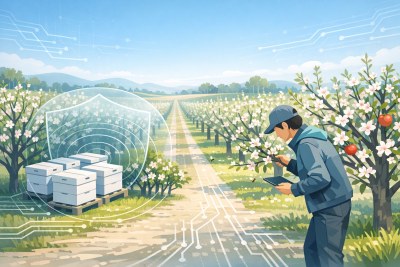

Growers suspect reduced feral bee numbers after the Varroa mite response may be one factor, but the cause is not settled. NSW authorities have cautioned that Varroa cannot yet be blamed definitively, with weather during flowering, varietal behaviour, chilling requirements and thinning practices also possible contributors. That uncertainty matters for insurance because a poor crop outcome does not automatically translate into a straightforward claim under crop insurance.
For orchardists, the practical exposure is wider than tonnes of fruit lost. A weak crop can affect supply contracts, seasonal labour planning, cool-room use, packing arrangements and cashflow. In areas where pick-your-own fruit is part of the business model, fewer apples can also reduce visitor trade, farm-gate sales and associated tourism income. Those elements may sit across different policy sections, or may not be covered at all, depending on the wording.
The insurance lesson is not that every pollination failure can be insured against. Many farm policies are built around specified events such as fire, hail, storm or accidental damage, while biological, seasonal or gradual production shortfalls can be treated differently. Growers may need to look closely at what triggers cover, how loss is measured, what exclusions apply and whether any business interruption section depends on physical damage from an insured event.
The latest reports also underline the value of records. Flowering dates, hive placement, hive numbers, bee activity, weather conditions, spray timing, thinning decisions, agronomist notes and yield estimates can all help explain what happened if a loss is being assessed, a contract is being reviewed or future cover is being discussed. For perennial crops, comparing several seasons of records may be more useful than relying on one difficult year.
More broadly, pollination risk is becoming part of the same planning conversation as pests, weather volatility and labour availability. As NSW research continues, farm operators may wish to review pollination agreements, biosecurity procedures, enterprise budgets and farm insurance policies together, rather than treating bees, crops and income protection as separate issues.
Please Note: We do not endorse any specific products or companies. Some content is sourced from third parties, including press releases, and may not be independently verified for accuracy or completeness.