
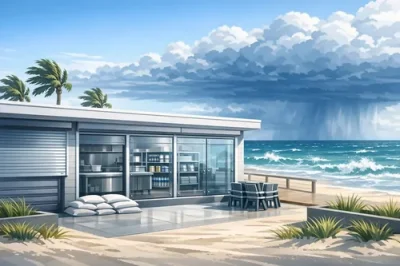
The pool, which operates through insurers rather than directly with policyholders, is designed to support insurance for cyclone and cyclone-related flood damage. ARPC says it applies to eligible small business property policies, including property, contents and business interruption, where total sums insured across covered risks are $5 million or less. That makes it relevant to many independent restaurants, cafes and takeaway venues across northern Queensland, the Northern Territory and northern Western Australia, particularly where storm season can coincide with heavy stock holdings and peak trading periods.
The practical detail matters. ARPC’s October 2026 assessment found reductions for SME contents premiums in higher wind-risk bands, including a 34% fall in the highest-risk band compared with pre-pool levels. However, its business interruption analysis showed average SME business interruption premiums were higher than pre-pool levels across the analysed wind bands, including an 11% increase in the highest-risk band. For a venue owner, that split reinforces why stock and contents values should not be reviewed in isolation from trading income, extra costs of working and reopening timeframes.
The broader message from the latest inquiry coverage is similarly balanced: premium relief does not remove the underlying physical risk. A cyclone-related claim may involve damaged fit-out, spoiled refrigerated goods, equipment failure, glass damage, contamination, access restrictions, supplier disruption and temporary closure. The pool may influence the reinsurance cost behind eligible policies, but claims still depend on the insurer’s policy terms, exclusions, limits, excesses and the evidence available after a loss.
Restaurant owners in cyclone-prone regions may wish to use renewal discussions to test several practical points:
- whether the policy’s cyclone, storm surge, flood and rainwater wording aligns with the venue’s location and lease obligations;
- whether refrigeration, deterioration of stock and equipment breakdown are treated separately from storm damage;
- whether the selected indemnity period for business interruption is long enough for repairs, approvals, fit-out replacement and supply recovery;
- whether mitigation measures such as roof maintenance, shutters, drainage, anchoring, backup power and documented stock controls are recorded before renewal.
The 2026–27 northern wet season is already underway, and the Bureau of Meteorology’s latest tropical update points to widespread heat, humidity and thunderstorms across northern Australia. For hospitality businesses, the useful takeaway is not that cyclone insurance has become easy, but that pricing, risk mitigation and evidence of preparedness are now even more closely connected.
Please Note: We do not endorse any specific products or companies. Some content is sourced from third parties, including press releases, and may not be independently verified for accuracy or completeness.




