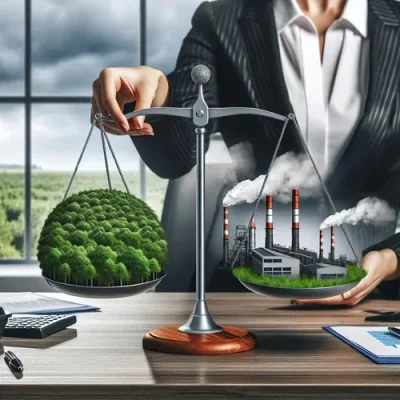
What environmental liability means for Australian businesses
Environmental liability refers to the legal and financial responsibility a business may face when its activities cause or contribute to environmental harm. That harm may involve pollution, contamination, waste, damage to protected ecosystems, or impacts on land, water, air, species or surrounding communities.
For Australian businesses, environmental liability is not only a compliance issue. It can influence operational planning, project approvals, corporate governance, employee training, supply chains, reputation and insurance arrangements. A business that understands its environmental exposures is generally better placed to prevent incidents, respond appropriately if something goes wrong, and document the steps it has taken to manage risk.
This article is general information only. Environmental obligations and insurance terms can vary depending on the activity, location, industry and policy wording, so businesses should seek professional guidance where appropriate.
Types of environmental liability
Environmental liability can arise in different ways. The source of the liability matters because it affects how the issue is managed, who may bring a claim or enforcement action, and what costs may follow.
| Type of liability | How it may arise | Why it matters |
|---|---|---|
| Statutory liability | A breach of environmental legislation, licence conditions, reporting obligations or regulatory approvals. | Regulators may require remediation, impose penalties, restrict activities or take enforcement action. |
| Civil liability | Claims by third parties affected by environmental harm, such as neighbouring landholders, customers, contractors or communities. | A business may face legal defence costs, compensation claims and remediation costs. |
| Director and officer governance exposure | Failure by company decision-makers to consider or manage material environmental risks as part of broader governance duties. | Environmental risk can become a board-level issue when it affects continuity, finances, reputation or shareholder interests. |
Key environmental rules businesses may need to consider
Australian environmental regulation operates across federal, state, territory and local levels. The relevant requirements depend on the nature of the business, where it operates, and the environmental impact of its activities.
Environment Protection and Biodiversity Conservation Act 1999
The Environment Protection and Biodiversity Conservation Act 1999, commonly referred to as the EPBC Act, is a key federal environmental law. It provides a framework for assessing and approving actions that may have a significant impact on matters of national environmental significance, including protected species, ecological communities and certain protected places.
Businesses proposing projects or activities that could affect protected habitats, species or ecological communities may need to consider whether assessment or approval processes apply. Failing to identify these requirements early can affect project timing, costs and compliance risk.
National Pollutant Inventory obligations
The National Pollutant Inventory, or NPI, collects information about certain pollutant emissions and transfers. Businesses that exceed relevant reporting thresholds may need to report data about emissions, waste management and pollutant transfers. These obligations support transparency and accountability in environmental management.
State, territory and local requirements
Federal rules are only part of the picture. State and territory legislation can address issues such as waste handling, water quality, air emissions, contaminated land, hazardous materials, development approvals and operational licensing. Local requirements may also be relevant for particular sites or activities.
Because requirements can differ by jurisdiction, businesses operating across multiple locations may need to review obligations site by site rather than assuming one process will be sufficient everywhere.
Common environmental risks in business operations
Environmental risks vary by industry, but many businesses share common exposure areas. Identifying those risks is a practical starting point for compliance planning and insurance discussions.
- Soil contamination: chemical spills, poor storage practices, fuel leaks or historic contamination discovered at a site.
- Water pollution: untreated wastewater discharge, runoff, leaks, or contamination affecting nearby waterways.
- Air pollution: emissions, dust, fumes or other releases from industrial processes.
- Waste management issues: incorrect disposal, inadequate segregation, hazardous waste handling failures or poor contractor oversight.
- Hazardous materials: mishandling, storage failures, transport incidents or inadequate emergency response procedures.
- Disturbance of protected ecosystems: project work that affects habitats, protected species or ecologically sensitive areas.
- Operational disruption from environmental events: severe weather or environmental incidents that interrupt operations or supply chains.
Industry examples
Manufacturers may need to manage waste disposal, emissions and chemical storage. Mining and resource businesses may face risks involving land disturbance, water management and site rehabilitation. Agricultural businesses may need to consider fertiliser runoff, water impacts and waste from production activities. Service businesses may have lower direct environmental exposures, but still need to consider premises, contractors, waste disposal and supply chain practices.
How to conduct an environmental risk assessment
An environmental risk assessment helps a business identify how its activities, products, services and supply chains may affect the environment. It also provides a structured way to prioritise controls and document decision-making.
- Map the business activities: review operations, sites, transport, storage, contractors, suppliers and end-of-life product handling.
- Identify potential hazards: list possible sources of pollution, contamination, waste, emissions or ecosystem disturbance.
- Assess consequences and likelihood: consider the potential environmental harm, regulatory implications, financial impact and reputational effect.
- Review legal and reporting obligations: identify whether federal, state, territory, local or licence-based requirements apply.
- Set controls: introduce procedures, equipment, monitoring, training and escalation processes proportionate to the risk.
- Plan incident response: document how staff should respond to spills, releases, complaints, regulatory notices or contamination discoveries.
- Review regularly: update the assessment when operations, sites, materials, suppliers or regulations change.
For broader business risk planning, businesses may also find it useful to review a custom risk management plan for Australian entrepreneurs alongside environmental controls.
Financial and operational consequences of non-compliance
The costs of environmental non-compliance can extend well beyond an immediate incident. Depending on the circumstances, a business may face remediation expenses, legal fees, regulatory penalties, project delays, operational restrictions, compensation claims and increased scrutiny from stakeholders.
Regulators may have powers to require corrective action or impose sanctions. The severity of consequences can depend on the extent of harm, the level of negligence, whether the business has a history of compliance, and how promptly it responds.
Reputational damage can also be significant. Customers, investors, suppliers and communities may expect businesses to operate responsibly and transparently. A serious environmental incident can affect trust, commercial relationships and long-term business value, even where the direct financial penalty is only one part of the overall cost.
Managing environmental liability within the business
Environmental liability is best managed before an incident occurs. Practical controls should be embedded into day-to-day operations rather than treated as a separate compliance document that is rarely used.
Develop an environmental management system
An Environmental Management System, or EMS, is a structured framework for identifying, monitoring, managing and improving environmental performance. An EMS may include policies, procedures, responsibilities, training, reporting processes, audit schedules and continuous improvement steps.
The system should reflect the business's actual operations. A manufacturer, farm, construction contractor, logistics business and office-based consultancy will not necessarily need the same controls, but each can benefit from a clear process for identifying environmental obligations and managing risks.
Train employees and contractors
Employees and contractors are often the first to notice a spill, equipment failure, waste issue or unsafe practice. Training can help staff understand waste reduction, hazardous material handling, incident reporting and emergency response procedures.
Training should also make clear who has authority to stop work, report an issue, contact management or escalate a potential environmental incident.
Build environmental risk into governance
Environmental risk should be visible to senior management where it may affect strategy, finances, operations or reputation. Governance measures may include regular reporting, board-level review of material risks, clear accountability, adequate resourcing and documented review of compliance obligations.
Where environmental issues intersect with broader liability questions, a related guide on when liability insurance may be required for Australian businesses may help place insurance obligations in context.
Environmental liability insurance: what it may do
Environmental liability insurance is designed to help manage certain financial consequences associated with environmental incidents. It is not a replacement for compliance, maintenance, safe systems of work or environmental controls. Instead, it may operate as one part of a broader risk management program.
Depending on the policy wording, environmental liability insurance may respond to matters such as legal defence costs, cleanup costs, remediation expenses and compensation for third-party damage arising from pollution or environmental harm connected with the business's operations.
Examples of cover that may be considered
- Accidental pollution events.
- Gradual pollution, if included by the policy.
- Discovery of historical contamination, depending on policy terms.
- Incidents occurring on the business site.
- Incidents in transit or at a third-party location connected with the business's activities, where covered.
- Soil, water or air contamination claims.
- Remediation required by environmental regulators, where included.
Limitations and exclusions
Policy terms can vary considerably. Businesses should carefully review definitions, conditions, exclusions, limits and notification requirements. Common issues to check include known pre-existing conditions, intentional non-compliance, government fines and penalties, geographic limitations, excluded pollutants and whether gradual pollution is covered.
Businesses can discuss policy structure and risk information with qualified insurance professionals. The website's broker information explains the role brokers can play in helping businesses understand cover options and documentation requirements.
Questions to ask when reviewing environmental liability cover
When considering environmental liability insurance, a business may wish to prepare information about its operations, sites, materials, processes, previous incidents and existing environmental controls. Useful questions include:
- What pollution events or contamination scenarios are covered?
- Does the policy address gradual pollution as well as sudden accidental events?
- Are cleanup, remediation, legal defence and third-party compensation costs included?
- How does the policy treat historical contamination or known pre-existing issues?
- Are incidents during transport or at third-party locations covered?
- What exclusions apply to specific pollutants, locations or activities?
- Are fines and penalties excluded?
- What notification steps must be followed after an incident or potential claim?
Practical examples of risk management measures
Environmental risk controls will vary by industry, but many businesses can reduce exposure by improving how they handle materials, monitor emissions, manage water, supervise contractors and document compliance.
For example, a resource business may use closed-loop water management to reduce freshwater reliance and control contamination risk. A business disturbing land may plan progressive rehabilitation so affected areas are restored over time. A manufacturer may improve waste segregation, storage and spill response procedures. These types of measures may support compliance, reduce incident frequency and improve operational resilience.
Future pressures on environmental liability
Environmental obligations can change as regulators, communities and markets place greater emphasis on sustainability, pollution control, resource management and transparent reporting. Businesses that treat environmental risk as an ongoing governance issue are better positioned to adapt when laws, licence conditions, stakeholder expectations or operating conditions change.
Emerging risks may include more detailed reporting expectations, tighter controls on emissions or waste, and greater attention to sustainable resource use. At the same time, investment in cleaner processes, better monitoring, renewable energy, circular economy models and improved waste practices may help some businesses reduce liability exposure and strengthen long-term resilience.
Key takeaways
- Environmental liability can arise from statutory obligations, civil claims and governance failures.
- Australian businesses may need to consider federal, state, territory and local environmental rules, including the EPBC Act and NPI obligations where relevant.
- Risk assessments should consider operations, supply chains, waste, emissions, storage, transport and end-of-life handling.
- Non-compliance can lead to remediation costs, legal expenses, penalties, operational disruption and reputational damage.
- An Environmental Management System, staff training and board-level oversight can help manage risk.
- Environmental liability insurance may help with certain costs, but coverage depends on policy wording and exclusions.
Published: Wednesday 20th March, 2024
Last updated: Wednesday 26th August, 2026