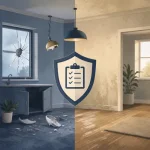
A comprehensive plan provides a clear course of action during emergencies, helping to minimize chaos and confusion. Landlords who have thorough plans in place exhibit a strong commitment to their tenants' safety and well-being, strengthening trust and promoting long-term tenancies.
Potential Consequences of Not Having a Plan
The absence of an emergency response plan can have dire consequences. Without a set procedure, both landlords and tenants can find themselves in panic during a crisis, leading to poor decisions and increased risk of injury or property damage. This lack of preparedness can also result in legal liabilities for landlords, especially if it is determined that negligence contributed to the incident or its outcomes.
Furthermore, the absence of a plan can lead to prolonged disruption affecting not just the tenants' safety but also their satisfaction and confidence in you as a landlord.
How a Plan Protects Your Property and Tenants
A robust emergency response plan outlines specific steps and resources needed to address emergencies efficiently. It offers vital information, including contact details for emergency services, evacuation routes, and safety protocols, empowering both landlords and tenants to act swiftly and effectively.
Such preparedness not only enhances tenant safety but also helps maintain the property's integrity. Furthermore, having a solid plan in place can potentially reduce repair costs and expedite recovery following a crisis, safeguarding your investment and reputation as a responsible landlord.
Identifying Common Tenant Emergencies
Examples of Frequent Emergencies in Rental Properties
As a landlord, it's crucial to anticipate the types of emergencies that may arise in a rental property. Common emergencies include plumbing issues like burst pipes or sewer backups, which can cause significant water damage and disrupt daily living. Electrical faults, such as power outages or exposed wiring, not only inconvenience tenants but also pose serious safety hazards.
Natural disasters, including floods and bushfires, are also potential threats that require immediate attention. Finally, emergencies such as gas leaks or burglaries can put tenants' lives at risk and necessitate swift intervention. Understanding these common scenarios helps landlords to prepare adequately and respond efficiently.
Priority Levels: Understanding the Urgency of Different Situations
Not all emergencies are created equal, and assessing the urgency of a situation can guide the appropriate response. Life-threatening situations, such as fires or severe gas leaks, should be treated with the utmost urgency, requiring immediate evacuation and contact with emergency services. Other issues, like broken appliances or minor leaks, may not warrant immediate action but still require prompt attention to prevent escalation.
Establishing priority levels helps streamline decision-making and ensures resources are allocated properly during emergencies, minimizing potential harm and disruption.
The Impact of Emergencies on Your Property Investment
Emergencies can have a significant impact on your property investment, both financially and reputationally. Water damage or structural issues resulting from emergencies may lead to costly repairs and renovations. Additionally, prolonged disruption can affect tenant satisfaction and retention, potentially leading to vacancy and loss of rental income.
Furthermore, frequent or poorly managed emergencies can damage your reputation as a landlord, making it difficult to attract new tenants. Therefore, having a well-prepared emergency response plan is essential for protecting your investment and ensuring long-term success as a property owner.
Developing Your Emergency Response Strategy
Setting Clear Goals and Objectives for Your Plan
When developing an emergency response strategy for your rental property, it's vital to set clear, specific goals and objectives. These should focus on protecting the safety and well-being of your tenants, minimizing property damage, and maintaining business continuity. Goals give direction to your plan and help evaluate its effectiveness over time.
For instance, a primary objective might be ensuring all tenants are informed about emergency procedures, while secondary goals could include reducing response times or limiting financial impact during crises. Clear objectives ensure your strategy remains focused and actionable, guiding every decision and action taken during an emergency.
Defining Roles and Responsibilities for Yourself and Your Team
A successful emergency response plan clearly outlines the roles and responsibilities of everyone involved. As a landlord, your role may include coordinating communication with tenants and emergency services, while maintenance staff may handle repairs and ensure safety measures are in place. It's crucial everyone knows their duties ahead of time to avoid confusion.
Defining these roles also includes identifying key contacts outside your immediate team, such as preferred contractors or local emergency responders. Doing so allows for seamless collaboration and efficient resource allocation during emergencies, ensuring all aspects of the response are covered.
Establishing Guidelines and Procedures for Emergency Situations
Creating detailed guidelines and procedures is essential for addressing different types of emergencies. This involves outlining steps to take in various scenarios, such as evacuation procedures during a fire or protocols for handling a burst pipe. Each procedure should be easy to follow, ensuring swift and safe action by tenants and staff alike.
Additionally, these guidelines should be regularly reviewed and updated, taking into account changes in property layout, new safety regulations, or insights gained from past incidents. This flexibility ensures your emergency response plan remains effective, capable of adapting to evolving challenges or emerging threats, reinforcing tenant confidence in your property's safety measures.
Essential Components of an Effective Plan
Key Elements to Include in Your Emergency Response Plan
Having an effective emergency response plan is not just about listing contact numbers or evacuation routes. It involves incorporating several key elements to ensure comprehensive coverage. Firstly, ensure your plan details clear evacuation procedures with designated assembly points and escape routes.
Include a communication strategy outlining how you'll keep tenants informed during crises, leveraging technologies like text alerts or emails. Identify emergency contacts both within and outside the property, such as emergency services and trusted contractors, for swift action.
Documentation and Record-Keeping: Why It Matters
Proper documentation and record-keeping serve as the backbone of any successful emergency response plan. Keeping detailed records of past incidents, including how they were handled, can provide valuable insights into what works and what doesn't, helping refine your response strategy over time.
Regularly update these records to reflect any changes in your property or tenant details. Store important documents, like insurance policies and emergency contact lists, securely both physically and digitally, to ensure easy access when needed.
Legal Considerations and Compliance in Australia
When crafting your emergency response plan, it's crucial to consider the legal requirements specific to Australia. Familiarize yourself with local regulations regarding tenant and property safety to ensure your plan is compliant.
Consult with legal experts if necessary to understand your obligations and how they affect your plan. Compliance not only protects your tenants but also safeguards you from potential legal ramifications. Aligning your plan with these standards reinforces your commitment to responsible property management.
Creating a Reliable Communication System
Developing an Efficient Communication Protocol with Tenants
Effective communication is vital in managing emergencies in rental properties. Developing a clear protocol ensures that tenants receive timely and accurate information, minimizing confusion and promoting safety during critical situations. Start by determining the best communication methods suited to your tenants' needs and preferences.
Consider regular updates through newsletters or tenant meetings to keep everyone informed of current procedures. In an emergency, a pre-established protocol helps streamline communication, allowing tenants to know what to expect and how to act. Clear guidelines on how and when information will be shared foster confidence and preparedness among tenants, enhancing overall response effectiveness.
Utilising Technology: Apps and Tools to Streamline Communication
Leveraging technology can significantly enhance your communication system. Various apps and online platforms provide innovative solutions for maintaining seamless contact with tenants. Consider using mobile messaging apps for instant alerts or group emails for detailed updates. Property management software often includes features for efficient communication and documentation.
These tools facilitate rapid dissemination of essential information, ensuring tenants are aware of any developments during an emergency. Regularly test these systems to ensure reliability and encourage tenants to familiarize themselves with the technology, streamlining interactions when it matters most.
Ensuring Tenants Know How to Reach You in an Emergency
It is crucial for tenants to know how to contact you swiftly during emergencies. Provide clear instructions and multiple ways to reach you, such as phone numbers, email addresses, or dedicated emergency lines. Ensure this information is prominently displayed in common areas and included in tenant welcome packs.
Establish an emergency contact hierarchy, directing tenants to alternative contacts if you are unavailable. Regular reminders of these contact details can reinforce awareness, allowing for prompt communication when urgent situations arise. This accessibility builds trust and reassures tenants of your commitment to their safety and well-being.
Training and Preparing for Emergencies
Conducting Regular Drills and Training Sessions for Tenants
Regular training and emergency drills are vital components of an effective emergency response plan. These sessions ensure that tenants become familiar with the procedures and know exactly what to do during an actual emergency. Conduct drills for various scenarios such as fires, floods, or gas leaks, customizing the training to fit your property's specific needs.
These practical exercises not only build confidence but also help identify potential weaknesses in your plan. Encourage participation by communicating the importance of these drills in enhancing their personal safety and security. Regularly scheduled training sessions reinforce the importance of emergency preparedness and ensure everyone is adept at executing the plan correctly when the time comes.
Providing Resources and Information to Tenants for Preparedness
Empowering your tenants with the right tools and information can significantly enhance emergency preparedness. Create a tenant handbook that includes detailed emergency procedures, evacuation routes, and important contact information. Ensure this information is easily accessible, both physically and digitally.
Additionally, provide tenants with resources like checklists for personal emergency kits and guidelines for recognizing and reporting potential hazards. Consider hosting informational sessions or distributing newsletters with tips on preparing for specific emergencies common in your area. By supplying these resources, you equip tenants to react promptly and effectively when faced with a crisis.
Collaborating with Local Emergency Services for Better Outcomes
Building relationships with local emergency services can greatly enhance the effectiveness of your emergency response plan. Reach out to local fire brigades, police, or medical services to understand how they can support your property during emergencies. Consider inviting them to participate in your training sessions or to provide expert advice on your preparedness efforts.
This collaboration not only strengthens your plan but also ensures alignment with local protocols and expectations. Having direct contacts within emergency services can expedite assistance and facilitate better coordination during an actual incident. Such partnerships demonstrate your commitment to safety and can significantly improve the overall resilience of your emergency response plan.
Reviewing and Updating Your Plan
Establishing a Schedule for Regular Reviews of the Plan
Once you have developed your emergency response plan, it's crucial to ensure it remains effective through regular reviews. By establishing a consistent review schedule, you can systematically assess the plan's adequacy and identify areas for improvement. Consider scheduling reviews annually, or more frequently if your property undergoes significant changes.
These regular evaluations allow you to verify that all information is current, including contact details and emergency procedures. Keeping the plan up-to-date ensures both you and your tenants are prepared to handle emergencies efficiently. Regular reviews also demonstrate your commitment to maintaining a high standard of safety and preparedness.
Incorporating Feedback and Lessons Learned from Past Incidents
Feedback from tenants and insights from past incidents are invaluable for refining your emergency response plan. After any emergency, conduct a thorough debrief to evaluate the response effectiveness and identify any shortcomings. Encourage tenants to provide their experiences and suggestions for improvement, offering them a sense of ownership and partnership in safety efforts.
Incorporating this feedback ensures the plan evolves to address any gaps, enhancing its overall effectiveness. Learn from past challenges to strengthen the response strategy, reinforcing tenant confidence and safeguarding your property investments.
Adapting the Plan to New Risks and Evolving Regulations
Emergencies can evolve due to changes in external factors such as climate conditions or technological advancements, necessitating adjustments to your response plan. Stay informed about emerging risks and update your plan accordingly to maintain its relevance. Additionally, regularly review any changes to local safety regulations or legal requirements affecting rental properties.
Adapting your plan to align with new laws and threats ensures compliance and demonstrates proactive risk management. Continuous adaptation not only strengthens your preparedness but also highlights your dedication to tenant safety and regulatory responsibilities. By doing so, you keep your emergency response plan robust and resilient, ready to tackle any challenges that may arise.
Conclusion: Protecting Your Investment and Ensuring Tenant Safety
The Long-Term Benefits of Having an Emergency Response Plan
The advantages of implementing a well-structured emergency response plan extend far beyond immediate crisis management. Not only does such a plan safeguard your property from extensive damage, but it also promotes tenant satisfaction by providing a sense of security and reassurance. A robust plan can lead to reduced repair costs and quicker recovery times when emergencies occur, preserving both your investment and rental income.
Additionally, a comprehensive emergency response strategy supports long-term property management success by enhancing your reputation as a responsible and proactive landlord. This can lead to stronger tenant retention and more positive referrals, ensuring stable occupancy and financial returns over time.
Commitment to Tenant Safety and Landlord Responsibilities
Fostering a safe living environment is a fundamental responsibility for every landlord. Demonstrating a commitment to this duty through a detailed emergency response plan underscores your dedication to tenant well-being. By proactively addressing potential risks, you reinforce trust and reliability, creating a supportive community that values safety above all.
This commitment not only fulfills your legal and ethical obligations but also enhances tenant loyalty. Happy tenants are more likely to renew leases, reducing turnover and associated costs. Ensuring tenant safety is not merely a task but a crucial aspect of effective property management and ethical ownership.
Encouraging Proactive Management and Regular Plan Enhancements
Proactive management is key to sustaining an effective emergency response plan. Regularly reviewing, updating, and enhancing your plan in response to new challenges and feedback shows a dedication to continuous improvement. By staying ahead of potential risks and aligning with evolving regulations, you maintain a dynamic and effective strategy.
Encourage your team and tenants to engage in this ongoing process, fostering a partnership focused on safety and preparedness. A culture of active involvement ensures your emergency response plan remains relevant and effective, safeguarding both your property and its residents. Ultimately, this proactive approach demonstrates your commitment to excellence in property management and your dedication to creating a safe, thriving community.