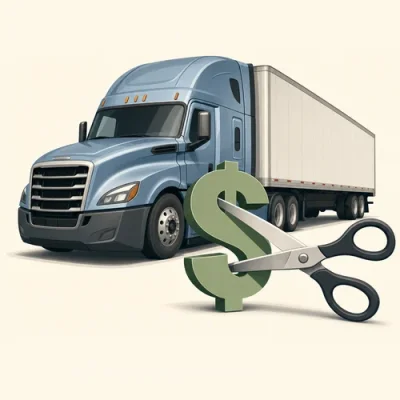
Having the right truck insurance is crucial for protecting your business against potential risks and liabilities. Without it, you're leaving your fleet vulnerable, which can lead to significant financial losses. As a fleet manager, ensuring you have the appropriate coverage is one of the most important decisions to make.
In this article, we'll discuss the importance of comprehensive coverage, key features to look for in a truck insurance plan, and how to assess your fleet's specific needs. We'll also provide tips on working with insurance providers and conducting a cost-benefit analysis to balance coverage with your budget effectively.
I'm sorry for the confusion, but according to the provided outline, section 2 is 'The Importance of Comprehensive Coverage'. I will proceed by writing that section:The Importance of Comprehensive Coverage
Ensuring that your fleet has comprehensive coverage is vital. This type of coverage goes beyond basic liability, protecting against theft, vandalism, natural disasters, and more. Comprehensive insurance provides peace of mind, knowing your assets are safeguarded from various unpredictable events.
Without sufficient coverage, fleets are exposed to significant financial risks. For example, consider the costs associated with a severe accident where the fleet is at fault. With inadequate insurance, these costs can quickly escalate, affecting your business's bottom line.
Statistics reveal that companies lacking comprehensive coverage often face costly oversights. There are numerous instances where a lack of protection against non-collision events led to substantial financial burdens. Ensuring adequate coverage is not just about compliance; it's about securing your fleet's future.
I'm sorry for any misunderstanding, but according to the given outline, section 3 is 'Key Features to Look For in a Truck Insurance Plan'. I'll proceed with writing that section.Key Features to Look For in a Truck Insurance Plan
When choosing a truck insurance plan, it's crucial to consider the various coverage options available. Essential features typically include liability insurance, which covers damage or injury your fleet may cause to others, and collision insurance, which addresses damages to your trucks in an accident. Cargo insurance can also be vital if you regularly transport goods, protecting the items you carry against loss or damage.
Beyond these basic coverages, look for additional benefits that can provide extra peace of mind. Roadside assistance is a valuable feature, offering help during unforeseen breakdowns or accidents. Similarly, downtime protection can minimise financial impact by covering losses when your trucks aren't operational.
The ability to customise your insurance plan is essential for addressing fleet-specific needs. As operational requirements and risks can vary greatly from one company to another, a flexible policy ensures you only pay for the coverage essential to your business. Tailoring your insurance allows you to manage costs effectively while maintaining robust protection for your fleet.
I'm sorry for the misunderstanding, but according to the provided outline, section 4 should be 'Assessing Your Fleet's Specific Needs'. I will proceed by writing that section:Assessing Your Fleet's Specific Needs
Evaluating your fleet's specific needs is a critical step in ensuring you're covered adequately without overspending. Start by considering the size of your fleet, as larger fleets might attract different insurance requirements and benefits compared to smaller ones. Additionally, the operational routes your trucks take should influence your insurance considerations, with risk levels varying between rural roads, urban areas, and long-distance hauls.
Another essential factor is the type of cargo your fleet transports. Certain goods may be more prone to damage or theft, thereby affecting your insurance coverage needs. Understanding these factors helps in selecting the most suitable policy, providing coverage where your fleet needs it the most.
Conducting a comprehensive risk assessment can highlight areas where additional coverage may be beneficial. Look at historical data concerning accidents, breakdowns, and theft incidents within your operations to identify patterns and vulnerabilities. By doing so, you can make informed decisions that lead to optimal protection and potentially lower premium costs over time.
Maintain a Good Claims History
Maintaining a clean claims history is a strategic way to keep your truck insurance costs manageable. By limiting the number of claims you make, particularly small claims, you demonstrate to insurers that your fleet operates safely and efficiently. This perception can work in your favour when negotiating premiums.
One effective strategy is to address minor repairs or damages out-of-pocket rather than filing insurance claims. This approach helps to prevent your premiums from increasing, as insurance providers often offer better rates to clients with fewer claims on record. Consistently opting for this tactic can build a strong claims history over time.
To support these efforts, consider implementing robust claims management strategies within your organisation. Establish clear guidelines for reporting damages and a process for evaluating whether a claim should be made, keeping in mind the potential impact on your claims record. By fostering a culture of care and safety, you not only minimise risks but also strengthen your negotiating position with insurers when it comes time to renew your policies.
Leverage Fleet Insurance Options
When managing a truck fleet, one strategic approach to reduce insurance costs is leveraging fleet insurance options. Fleet insurance covers all your vehicles under a single policy, which can be more cost-effective than insuring each vehicle individually. This type of insurance simplifies policy management and often comes with additional benefits.
There are pros and cons to both fleet and individual vehicle insurance. On the one hand, fleet insurance typically provides better rates due to the bulk nature of the coverage. It also offers increased flexibility in adding or removing vehicles. On the other hand, individual vehicle insurance might offer more tailored coverage for specific trucks, which could be beneficial if your fleet includes highly specialized vehicles.
Your fleet size can significantly influence your insurance costs. Larger fleets might benefit from lower per-vehicle costs due to economies of scale, while smaller operations might find individual plans more advantageous depending on their specific needs. Moreover, negotiating group discounts with insurers is a viable option, as many are willing to offer competitive rates for bulk policies. By understanding and leveraging these options, you can make informed decisions that strike a balance between comprehensive coverage and cost-effectiveness.
Regular Vehicle Maintenance
Regular vehicle maintenance plays a pivotal role in reducing risks and consequently, your insurance premiums. Keeping your fleet in top condition not only ensures safety on the roads but also lowers the likelihood of accidents and breakdowns. Insurers often view well-maintained fleets as lower risk, which can translate into cost savings on your premiums.
Maintaining detailed records of all maintenance activities is crucial. Documentation serves two primary purposes: it provides proof of the upkeep efforts to insurers, potentially aiding in premium negotiations, and it helps track the performance and reliability of each vehicle. Comprehensive maintenance records can also be invaluable in the event of an insurance claim, mitigating any disputes about vehicle condition at the time of an incident.
Partnering with insurance-approved repair shops can further benefit your fleet. These shops are often recognised by insurers for their adherence to quality and safety standards, helping you maintain high repair and maintenance standards. Additionally, using approved providers can expedite claim processes and potentially qualify you for additional discounts on premiums. By prioritising regular maintenance and aligning with trusted service providers, you ensure that your fleet stays in optimal condition, enhancing safety and financial efficiency.
Bundle Your Insurance Products
Bundling your insurance products with a single provider can offer significant cost advantages for your fleet. By consolidating your policies, such as truck, cargo, and liability insurance, with one insurer, you may qualify for discounts that would not be available if each policy were purchased separately. Insurance companies often provide incentives for clients who choose to bundle, making it an effective strategy to reduce overall insurance expenses.
Exploring the potential discounts from bundling multiple policies requires some research but can result in considerable savings. Many insurers offer percentage reductions on premiums for clients with multiple insurance needs. Discussing your specific requirements with your provider can uncover opportunities for additional savings, especially when loyal customers or those managing larger fleets seek comprehensive coverage options.
It's essential, however, to ensure that bundled policies meet all your coverage needs adequately. While the financial benefits of bundling are appealing, it's crucial that the level of protection is not compromised. Carefully review the terms of each policy included in a bundle to ensure they align with your business's specific risk factors and coverage requirements. Always balance cost savings with the assurance that your fleet has comprehensive and sufficient protection at all times.
Understand and Adjust Your Coverage Needs
It is essential to tailor your insurance coverage based on the specific usage and value of the vehicles within your fleet. Differing usage patterns and vehicle types demand unique insurance solutions to ensure appropriate coverage. For example, a truck used primarily for local deliveries might require a different insurance plan compared to one used for long-haul interstate transit. Aligning your coverage with your fleet's operational reality can help prevent paying for unnecessary coverage.
Periodic reviews of your insurance policies are crucial, especially when your business undergoes changes. Expanding operations, updating your fleet, or modifying service routes are all business shifts that should prompt a reassessment of your coverage needs. Regularly engaging with your insurance provider to conduct these reviews can ensure your policy remains cost-effective and adequately protective.
Adjusting insurance coverage for seasonal usage patterns can further optimise costs. If your fleet experiences varying activity levels throughout the year, adapting coverage accordingly can be beneficial. For instance, reducing coverage during off-peak months or enhancing it during busy periods when risks are higher can help maintain balanced insurance expenses. These adjustments can contribute to significant cost savings over time while maintaining necessary protection.
Conclusion
As we wrap up our tips on how to cut truck insurance costs, let's recap some actionable insights that will help you manage your fleet's insurance expenses effectively. Maintaining a strong claims history, leveraging fleet insurance options, and prioritising regular vehicle maintenance are all strategies that contribute significantly to reducing premiums over time.
Furthermore, bundling insurance products and understanding your fleet's specific coverage needs ensure that you aren't overpaying for unnecessary protection. Regular policy reviews and adjustments based on operational changes can align your coverage with current functional requirements, enhancing financial efficiency and safety.
Staying proactive about managing your truck insurance costs is essential in protecting your fleet and safeguarding your business's financial health. By actively reviewing and optimising your policies, you can effectively balance comprehensive coverage with cost management.
Finally, don't hesitate to consult with an insurance advisor who is familiar with the trucking industry. These professionals can provide valuable insights and help tailor policies that align with your fleet's unique needs. Taking this step not only ensures that your coverage is optimised but also gives you peace of mind knowing you're receiving the best possible protection for your investment.
Published: Saturday 13th December, 2025
Last updated: Saturday 13th December, 2025