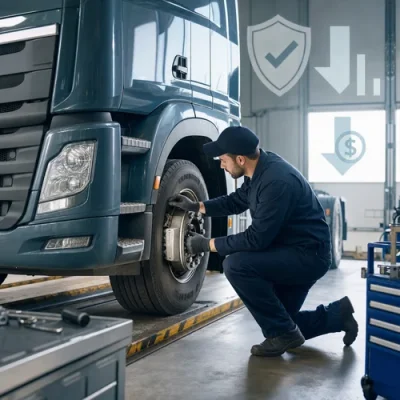
Why maintenance matters to truck insurance premiums
Truck insurance is an important part of financial planning for many Australian transport businesses. It helps protect valuable vehicles and supports operational continuity when accidents, damage or other insured events occur. However, premiums can be a significant business expense, especially where a fleet includes multiple vehicles, older trucks or high-use routes.
Preventative maintenance can influence insurance discussions because insurers assess the likelihood and potential cost of claims. A truck that is regularly inspected, serviced and repaired before problems escalate may present a lower operational risk than a vehicle with recurring mechanical faults or incomplete service history.
Maintenance does not guarantee lower premiums, and each insurer has its own underwriting approach. However, a consistent maintenance program can provide practical evidence that a business is taking steps to reduce breakdowns, accidents, repair costs and downtime. For a broader view of pricing considerations, see this guide to the factors that influence truck insurance premiums.
What preventative maintenance means for trucks
Preventative maintenance is planned, regular servicing and inspection designed to identify problems before they lead to mechanical failure, safety issues or unexpected repair costs. It differs from reactive maintenance, where a vehicle is repaired only after a fault has already occurred.
For trucks, preventative maintenance usually combines manufacturer recommendations, mileage-based servicing, time-based inspections and checks based on how the vehicle is used. A long-haul prime mover, a local delivery truck and a specialist vehicle may each require a different schedule because operating conditions, loads and kilometres vary.
Common preventative maintenance tasks
- Oil and filter changes according to usage and manufacturer guidance.
- Brake inspections, adjustments and timely replacement of worn components.
- Tyre pressure checks, tyre rotation and tread monitoring.
- Fluid checks, including coolant, brake fluid and other essential operating fluids.
- Inspection of electrical systems, lights and warning indicators.
- Monitoring mileage-based tasks so minor issues are not missed.
- Scheduled comprehensive inspections for fleet vehicles.
These tasks can help trucks remain more reliable, reduce unexpected breakdowns and support safer day-to-day operation. They can also create a documented maintenance history that may be useful during insurance reviews.
How insurers may view maintenance history
Insurance providers calculate premiums by assessing risk. Factors can include the age and condition of the vehicle, driver history, claims experience, operating patterns and how the business manages safety and maintenance.
Well-maintained vehicles are generally easier to present as controlled risks because regular servicing reduces the likelihood of sudden mechanical failure. For example, a truck with documented brake inspections and tyre checks may be viewed differently from a truck with inconsistent records and repeated defects.
Insurers may also look favourably on businesses that can show responsible ownership. A maintenance program demonstrates that the operator is not waiting for failures to occur before acting. That can support discussions about premiums, policy terms or risk management programs, although any discount or adjustment depends on the insurer's criteria.
Maintenance and claim likelihood
Preventative maintenance can help reduce incidents that may lead to claims, including accidents linked to faulty brakes, tyre failures, avoidable breakdowns and damage that results from neglected mechanical issues. Fewer breakdowns can also mean less operational downtime and fewer urgent repairs.
If a claim does occur, well-organised maintenance records can help show how the vehicle was managed before the incident. For related documentation guidance, the truck insurance claims processing checklist explains the value of having clear information available when dealing with a claim.
Building a preventative maintenance schedule
A useful maintenance schedule should be specific to the vehicles in the business. It should reflect each truck's make, model, age, mileage, load type and operating pattern. The goal is to create a repeatable system rather than relying on memory or ad hoc servicing.
Steps to create a maintenance plan
- List every vehicle in the fleet. Record make, model, age, mileage and any known recurring issues.
- Identify required maintenance tasks. Include regular servicing, inspections, brake checks, tyre checks, fluid checks and electrical checks.
- Set frequencies for each task. Use manufacturer recommendations, mileage thresholds and actual usage patterns.
- Create a checklist. Standardise what must be inspected so tasks are completed consistently.
- Assign responsibility. Make clear who is responsible for booking servicing, completing checks and reviewing records.
- Track completion. Use a digital calendar, fleet management software or another reliable recordkeeping system.
- Review the schedule regularly. Update the plan when a truck's usage changes or when repeated issues appear in the logs.
Example maintenance schedule framework
| Maintenance area | Typical action | Why it matters for risk management |
|---|---|---|
| Brakes | Inspect condition, performance and wear; replace components when required. | Helps reduce accident risk linked to braking failure or poor stopping performance. |
| Tyres | Check pressure, tread, rotation needs and visible damage. | Supports safer handling and may reduce the risk of tyre-related breakdowns. |
| Engine oil and filters | Change oil and filters according to mileage and service requirements. | Helps maintain engine reliability and reduce avoidable mechanical failure. |
| Fluids | Check and top up essential fluids, including coolant and brake fluid. | Can prevent overheating, braking issues and other operational problems. |
| Electrical systems | Check lights, warning indicators and other electrical components. | Improves visibility, road safety and early detection of faults. |
| Comprehensive inspections | Schedule broader inspections at set intervals. | Provides a structured review of vehicle condition and supports maintenance records. |
Keeping maintenance records insurers can understand
Maintenance records are most useful when they are complete, current and easy to summarise. A business that can provide clear records is better placed to explain its risk management approach during an insurance review or renewal discussion.
What to record
- Date of each inspection, service or repair.
- Vehicle details, including registration or fleet identifier.
- Mileage at the time of service.
- Maintenance tasks completed.
- Issues found and corrective action taken.
- Parts replaced, where relevant.
- Name of the mechanic, workshop, driver or staff member involved.
- Photos of repairs or defects, where useful.
- Follow-up tasks and completion dates.
Fleet management software can help by storing service histories, issuing reminders and generating reports. Mobile apps can also allow drivers to report faults as they arise, creating an immediate feedback loop between the road and the maintenance team.
Good records can also help a business understand its own costs. If maintenance spending, repair frequency and insurance needs are being reviewed together, a tool such as the Truck Insurance Calculator may help operators think through cover levels for trucks, trailers, accessories and financial exposure.
Involving drivers and maintenance staff
A maintenance plan is more effective when the people using and servicing the trucks are involved. Drivers are often the first to notice changes in braking, steering, engine performance, tyre condition or dashboard warnings. Maintenance staff can identify patterns that may not be obvious from a single vehicle report.
Practical ways to involve the team
- Train drivers to complete daily vehicle checks and report irregularities promptly.
- Give drivers a simple process for logging faults, including photos where helpful.
- Encourage maintenance crews to review recurring issues and suggest improvements.
- Review maintenance logs and performance reports as a team.
- Build accountability by making vehicle care part of normal operating routines.
This approach can improve safety culture and reduce the chance that small faults are ignored until they become expensive or dangerous. It also helps create the type of consistent documentation that may be useful when discussing risk with insurers.
Discussing maintenance with your insurer
When approaching an insurer or reviewing an existing policy, maintenance records should be presented clearly. A long list of invoices may be less persuasive than a concise summary supported by detailed records if requested.
How to prepare for a premium discussion
- Summarise the maintenance program. Explain the schedule, inspection frequency and responsibilities.
- Provide service history. Show that tasks have been completed consistently across the fleet.
- Highlight improvements. Note any changes made to reduce breakdowns, repairs or safety issues.
- Show evidence of driver involvement. Include daily checks, fault reporting and staff training where available.
- Ask targeted questions. Find out whether maintenance practices, fleet management technology or safety programs are considered in underwriting.
Questions to ask
- Do you consider preventative maintenance records when assessing premiums?
- Are there any maintenance-related discounts or risk management programs available?
- What type of evidence is most useful during renewal or underwriting?
- Do driver checks, fleet management systems or safety programs affect assessment?
- Are there specific maintenance standards or thresholds the insurer expects?
It is reasonable to ask whether strong records can be considered, but operators should avoid assuming a discount will apply. Insurers may assess each business differently based on vehicle type, claims history, use, location and other factors.
Examples of premium reductions linked to proactive vehicle care
The original source material included examples of Australian trucking businesses reporting premium reductions after improving maintenance practices. These examples should be treated as illustrations, not guaranteed outcomes.
One Brisbane-based logistics company reportedly reduced its truck insurance premiums by 15% after introducing a stricter preventative maintenance schedule that included regular brake checks, tyre rotations and twice-yearly comprehensive inspections. The reported reduction equated to more than $5,000 in annual savings, which could be reinvested into the business.
A Sydney-based delivery service reportedly achieved a 10% premium reduction by keeping thorough records of maintenance activity and presenting those records to its insurer. The reported annual premium saving was $3,500, alongside reduced repair costs due to fewer breakdowns.
The key lesson from these examples is not that every operator will receive the same result. Rather, they show how documented, proactive vehicle care can support insurer discussions and may reduce avoidable operating costs.
Long-term business benefits beyond premiums
Premium discussions are only one reason to invest in maintenance. A consistent maintenance program can also help reduce downtime, extend vehicle life and improve operational reliability. Fewer unexpected repairs may mean more predictable scheduling and less disruption for customers.
Preventative maintenance can also support a broader risk management strategy. For fleet operators reviewing insurance more broadly, this separate guide on coverage decisions for fleet managers explains how cover, risk and budget considerations can be assessed together.
In the long term, proactive vehicle care helps demonstrate that a business treats safety and reliability as core operating priorities. That can be valuable for insurers, employees and customers, even where any premium benefit depends on individual circumstances and insurer assessment.
Key takeaways
- Preventative maintenance means planned servicing and inspection before faults become major problems.
- Well-maintained trucks may present a lower risk of breakdowns, accidents and costly claims.
- Insurers may consider maintenance history as part of risk assessment, but discounts are not guaranteed.
- Detailed records are essential for explaining maintenance practices during insurance discussions.
- Drivers and maintenance crews should be involved because they help identify faults early.
- Proactive vehicle care can also reduce downtime, repair costs and operational disruption.