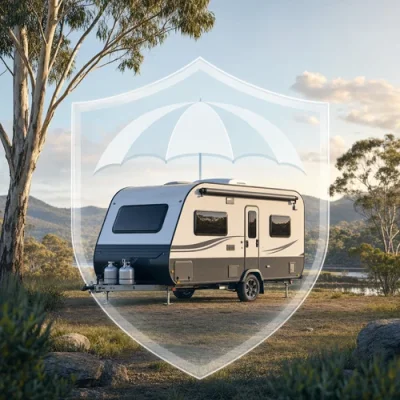
Why caravan insurance matters for new buyers
Buying a caravan is a significant financial commitment. Beyond the purchase price, owners may also spend money on registration, accessories, maintenance, storage, repairs and travel preparation. Caravan insurance is intended to help protect that investment from events that could otherwise create large out-of-pocket costs.
Caravans can be exposed to risks while travelling, while parked at home, while stored, or while set up at a holiday location. Common risks include accidental damage, theft, fire, storm, hail and damage caused to other people's property. The exact protection available depends on the insurer, the type of policy and the policy terms.
For buyers who are still planning the overall purchase budget, insurance is one cost to consider alongside the caravan price, servicing, storage and finance repayments. A Caravan Loan Repayment Calculator may help estimate loan repayments when considering the broader ownership budget.
What is caravan insurance?
Caravan insurance is a specialised form of insurance for caravans. It is different from standard motor vehicle insurance because it is designed around the particular risks and features of caravans, including towing, storage, contents, annexes, awnings and use as temporary accommodation.
Some vehicle insurance policies may provide a level of third-party liability protection while a caravan is being towed, but they often do not cover damage to the caravan itself. New buyers should not assume that a car insurance policy automatically protects the caravan. The policy wording should be checked carefully.
Caravan insurance may apply to touring caravans that are towed from place to place and, depending on the insurer, may also apply to caravans kept more permanently in one location. Each insurer sets its own definitions, eligibility rules and cover limits.
Common types of caravan insurance cover
Caravan insurance policies are not all the same. The following cover types are commonly discussed when comparing policies.
| Cover type | What it is designed to cover | Important limitations to check |
|---|---|---|
| Comprehensive cover | Usually the broadest form of cover, often including accidental damage to the caravan, theft, fire, storm, hail and liability for damage to other people's property. | Policy limits, exclusions, excesses, contents limits, storage conditions and whether accessories such as annexes and awnings are included. |
| Third-party fire and theft | Usually covers liability for damage caused to other people's property, plus loss or damage to the caravan from fire or theft. | It generally does not cover accidental damage to your own caravan unless the incident falls within an insured fire or theft event. |
| Third-party only | Designed to cover liability if the caravan causes damage to someone else's property. | It does not cover damage to your own caravan. |
| Specialised cover | May be relevant for vintage, restored or heavily customised caravans where a standard policy does not properly reflect the caravan's value or features. | Valuation method, restoration cover, modification disclosure rules and whether agreed value or market value applies. |
What caravan insurance commonly covers
The exact inclusions vary, but caravan insurance may include cover for:
- Accidental damage to the caravan.
- Theft or attempted theft.
- Fire damage.
- Storm and hail damage.
- Third-party property damage liability.
- Damage to annexes, awnings or accessories, if included in the policy.
- Contents kept in the caravan, subject to policy limits.
- Emergency repairs or alternative accommodation after an insured event, if included.
- Roadside assistance, if offered as part of the policy or an optional extra.
Contents cover is particularly important to check if the caravan carries personal belongings, appliances, camping equipment or travel items. Some policies include limited contents cover, while others require it to be added or may exclude certain items.
Exclusions and conditions to read carefully
Caravan insurance is subject to policy wording. Before choosing a policy, new buyers should read the Product Disclosure Statement and any other policy documents to understand what is covered, what is excluded and what conditions must be met.
Common areas to review include:
- Wear and tear: Normal deterioration, age-related damage and lack of maintenance are usually not treated as insured events.
- Vermin or pest damage: Some insurers may exclude this type of damage.
- Storage requirements: Policies may contain conditions about where and how the caravan must be stored.
- Security requirements: Locks, alarms, wheel clamps, hitch locks or other security measures may affect cover or premiums.
- Off-road or remote travel: Travel to particular locations or use outside normal touring conditions may be treated differently by insurers.
- Modifications: Undisclosed alterations may affect a claim or the validity of cover.
- Excesses: The excess is the amount the policyholder contributes to a claim. Different excesses may apply to different claim types.
How to assess your caravan insurance needs
The appropriate level of cover depends on the caravan, how it is used and the risks the owner is prepared to retain. New buyers can start by considering the following factors.
Caravan value and replacement cost
A new or high-value caravan may be more expensive to repair or replace than an older model. An accurate valuation helps reduce the risk of being underinsured or paying for cover that does not reflect the caravan's realistic value.
How often the caravan is used
A caravan used for frequent long-distance touring may have a different risk profile from one used only for occasional holidays. Frequency of use, travel distance and where the caravan is taken can all influence the type of cover considered.
Storage arrangements
Where the caravan is stored can matter. A caravan kept in a secure location may present different risks from one parked in an exposed or publicly accessible area. Owners should tell the insurer where the caravan is usually stored and update the insurer if that changes.
Contents, annexes and accessories
Many caravan owners add awnings, annexes, generators, solar equipment, water tanks or other accessories. These items may need to be listed or covered separately. Personal contents may also be subject to limits or exclusions.
Full-time or extended travel use
If the caravan is used for extended touring or as a primary residence, contents and accommodation-related benefits may become more important. Insurers may treat this type of use differently, so it should be disclosed and checked.
Modifications and insurance
Caravan modifications can affect both the value of the caravan and the way an insurer assesses risk. Modifications may include structural changes, upgraded fittings, solar systems, additional storage, suspension changes, custom interiors, security upgrades or cosmetic alterations.
Owners should disclose modifications when applying for cover and when changes are made later. If a modification increases the caravan's value or changes how it is used, the policy may need to be updated. Failing to disclose relevant modifications can create problems if a claim is made.
What affects caravan insurance premiums?
Premiums are calculated differently by each insurer, but common factors may include:
- The make, model, age and value of the caravan.
- Whether the caravan is new, used, vintage or customised.
- How often it is used and the type of travel undertaken.
- Where the caravan is stored when not in use.
- Security features such as alarms, wheel clamps, hitch locks or tracking devices.
- The owner's claims history.
- The chosen level of cover.
- Optional extras such as contents, roadside assistance or additional accommodation benefits.
- The selected excess.
Some policyholders choose a higher voluntary excess to reduce the premium, but that means paying more if a claim is accepted. The excess should be affordable in the event of an incident.
Insurance should also be reviewed periodically. A caravan's value, storage location, accessories, use pattern and owner circumstances may change over time. For broader ownership and budgeting topics, the site's articles and guides provide further educational reading.
Choosing a caravan insurance provider
Choosing a provider involves more than comparing the premium. New buyers should also consider the policy features, exclusions, claims support and the insurer's approach to caravan-specific risks.
Policy features and benefits
Compare what is included, what is optional and what is excluded. A lower premium may come with narrower cover, lower limits or higher excesses. A higher premium may include benefits that are useful for a particular caravan owner, but the value of those benefits depends on individual use.
Claims service and support
Claims support can be important after theft, loss or damage. Consider whether the provider offers clear claims procedures and accessible contact options. The policy documents should explain how to notify the insurer and what information is required.
Reviews and owner experiences
Reviews and testimonials from other caravan owners may help identify recurring service themes. Individual reviews should be considered carefully, but broader patterns can provide useful context when comparing providers.
Comparing policies
When comparing policies, look beyond the headline price. Check covered events, contents limits, accessory cover, accommodation benefits, excesses, storage conditions and exclusions. If insurance costs are being considered as part of a broader caravan purchase plan, some buyers also compare caravan finance options before committing to a purchase structure.
Making a caravan insurance claim
If theft, loss or damage occurs, the claims process usually begins by notifying the insurer as soon as possible. The insurer may ask for a claim form, a description of the incident and supporting evidence. A claim number may be issued, and the insurer may arrange an assessment or inspection if the caravan has been damaged.
Useful documents and evidence may include:
- Proof of ownership.
- Photos or videos of the damage.
- Receipts for valuable contents, accessories or modifications.
- Police reports where theft or other reportable incidents are involved.
- Maintenance records, if relevant.
- A record of the caravan's contents.
Some policies specify a timeframe for notifying the insurer, often within 24 to 48 hours of the incident. The exact timeframe and procedure should be checked in the policy documents. Delays or incomplete information can complicate the claim.
Keeping digital copies of receipts, policy documents, photos and inventory lists can make the claims process more organised. Information provided to the insurer should be accurate and complete.
Protecting a caravan beyond insurance
Insurance is one part of caravan risk management. Regular maintenance, safe towing, sensible storage and security practices can reduce the likelihood of problems and may help keep the caravan in better condition.
Maintenance and care
Routine maintenance may include checking tyre pressures, brakes, bearings, towing connections, chassis condition and bodywork. Cleaning the caravan after coastal trips or dirt-road travel can help reduce corrosion and wear. Keeping the interior dry and ventilated can help reduce damp and mould issues.
Security practices
Security devices such as sturdy locks, alarms, wheel clamps, hitch locks and tracking devices can help deter theft. Parking in secure, well-lit locations and using storage facilities with appropriate security can also reduce risk. Some insurers may take security measures into account when assessing premiums or cover conditions.
Safe towing and pre-trip checks
Safe caravan use includes allowing longer braking distances, taking wider turns, observing speed limits, checking towing equipment and ensuring weight is distributed properly. The caravan should not exceed the towing capacity of the vehicle. Owners preparing for travel may also find a pre-trip caravan checks guide useful.
Storage
Storage can affect both risk and policy conditions. A secure storage location can reduce exposure to theft, vandalism and weather damage. Owners should understand any storage-related conditions in their policy and notify the insurer if the usual storage location changes. For related practical considerations, see this guide to common caravan storage mistakes.
Key takeaways for new buyers
- Caravan insurance is designed specifically for caravan-related risks and should not be assumed to be included under a car insurance policy.
- Comprehensive cover, third-party fire and theft, third-party only cover and specialised policies provide different levels of protection.
- Policy wording matters. Inclusions, exclusions, limits, excesses and storage conditions should be read carefully.
- Modifications, accessories and contents should be disclosed and checked against policy limits.
- Premiums may be affected by the caravan's value, age, use, storage, security features and claims history.
- Maintaining records, photos and receipts can make claims easier to manage.
- Good maintenance, safe towing and secure storage remain important even when insurance is in place.
Frequently asked questions
Does caravan insurance cover contents?
Many comprehensive caravan insurance policies include some contents cover or offer it as an optional benefit. Limits, exclusions and eligible items vary, so the policy wording should be checked carefully.
Is caravan insurance mandatory in Australia?
Caravan insurance is not a legal requirement for all caravans in Australia, but it can help protect against financial loss from events such as accidental damage, theft, fire, storm and third-party property damage. Owners should consider their own risk exposure and read policy terms before choosing cover.
Can caravan insurance be transferred to another caravan?
Some insurers may allow a policy to be changed or transferred when an owner replaces a caravan, but this depends on the insurer's rules. The new caravan may need to be assessed, and the premium, excess or cover terms may change.
How do insurers treat wear and tear?
Wear and tear generally refers to normal deterioration over time from use, age or lack of maintenance. It is usually not covered as an insured event. Insurers may consider the caravan's age, condition, maintenance records and the circumstances of the damage when assessing a claim.
What should new buyers check before choosing a policy?
New buyers should check the level of cover, insured events, exclusions, contents and accessory limits, excesses, storage conditions, modification rules, claim procedures and valuation method. Comparing these details can be more useful than comparing premiums alone.