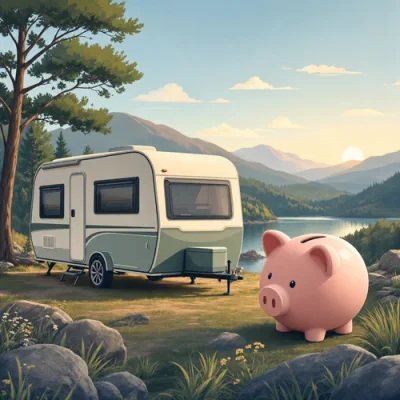
Why caravan insurance belongs in your travel budget
Owning a caravan is not only about the purchase price. Ongoing costs such as maintenance, repairs, registration, storage, accessories and insurance all contribute to the total cost of ownership. Including insurance in your annual travel budget can help you avoid treating it as an unexpected expense when renewal time arrives.
Caravan insurance policies vary between providers, but they commonly help protect against risks such as damage to the caravan, theft, fire, accidental damage and third-party liability. Some policies may also include or offer optional cover for contents, annexes, accessories or roadside assistance.
The aim is not simply to find the lowest premium. A cheaper policy may come with a higher excess, narrower cover or more exclusions. A more useful approach is to compare the cost of cover against the risks you want to insure and the amount you could comfortably pay yourself if something went wrong.
What can affect the cost of caravan insurance?
Insurance premiums are based on risk. While each insurer prices policies differently, the following factors commonly influence the amount you may pay.
Caravan value and type
The value and type of caravan can have a direct effect on premiums. A newer or higher-value caravan may cost more to repair or replace, which can increase the cost of cover. A more modest or older caravan may have lower replacement value, but it still needs to be insured for an appropriate amount to avoid being overinsured or underinsured.
When reviewing cover, consider the realistic value of the caravan, including depreciation and any fitted features that materially affect its value.
How often and how far you travel
A caravan used frequently, for extended trips or for long periods away from home may be exposed to more road, weather and storage risks than one used occasionally and kept securely when not in use. How you use the caravan can therefore affect the risk profile an insurer applies.
Security and storage
Security features may help reduce the risk of theft or break-ins. Examples include alarms, wheel clamps and tracking systems. Secure storage can also be relevant, particularly when the caravan is not in regular use.
Before buying security equipment mainly to reduce premiums, check with the insurer which devices or storage arrangements it recognises.
Accessories, annexes and contents
Accessories such as annexes, solar panels and satellite equipment can add value and convenience, but they may not be automatically covered. Personal belongings kept in the caravan may also have separate limits or require specific contents cover.
If your caravan has valuable add-ons, declare them when arranging or reviewing a policy. Undeclared accessories may create a gap between what you expect to be covered and what the policy actually includes.
Common types of caravan insurance cover
Policy names and inclusions vary, so always read the product documents carefully. The table below summarises common cover types discussed by caravan owners when comparing insurance.
| Cover type | How it generally works | Budget considerations |
|---|---|---|
| Comprehensive cover | May cover a broad range of events such as accidental damage, theft, fire and third-party liability, depending on the policy. | Usually offers broader protection but may have a higher premium than narrower cover. |
| Third-party fire and theft | May cover damage your caravan causes to other property, plus theft or fire damage to your own caravan. | Can be a lower-cost option, but it generally does not cover accidental damage to your own caravan. |
| Annex and contents cover | May cover selected belongings, attachments or fittings that make the caravan more liveable. | Useful to consider if you have invested significantly in contents or accessories, but limits and exclusions matter. |
If you want to look more closely at policy comparisons, this related guide to comparing caravan insurance options in Australia may help you understand what to check across different providers.
Balancing premium, excess and protection
The premium is only one part of the cost equation. The excess is the amount you agree to pay if you make a claim. Choosing a higher excess may reduce the annual premium, but it can also increase your out-of-pocket cost at claim time.
When setting an excess, consider what you could realistically afford if an incident occurred during a trip. A lower premium is less useful if the excess would be difficult to pay when you need to claim.
It is also worth checking whether different excesses apply to different types of claims. Some policies may apply additional conditions depending on the incident, driver, location or circumstances.
Discounts and cost-reduction strategies to ask about
Discounts are not guaranteed and vary by insurer, but there are several areas worth asking about when you compare policies.
No-claim and loyalty benefits
Some insurers may offer no-claim benefits for customers who have not made claims over a period of time. Others may offer loyalty discounts for remaining with the same insurer. These benefits depend on the insurer's rules and may change over time.
Bundling policies
Some providers may offer a discount when you hold multiple policies with them, such as caravan and vehicle insurance. Bundling can be convenient, but it should not replace a proper comparison of cover, excesses, limits and exclusions.
Specialist caravan insurers
Caravan insurance is a specialised area. Some providers focus on caravan owners and may offer policy features designed for common caravanning needs. It can be useful to compare both general insurers and specialist providers to see how the cover differs.
Annual policy review
Your caravan, travel habits and storage arrangements can change. Reviewing your cover annually helps you check whether the insured value, accessories, contents and usage details still reflect your current situation.
When you are ready to compare available options or request quotes, you can use a neutral caravan quote enquiry as a starting point for further research.
Exclusions that can affect your budget
Understanding exclusions is as important as understanding inclusions. Exclusions are situations, causes of damage or uses that the policy does not cover. If an excluded event occurs, you may need to pay the cost yourself.
Common exclusions may include:
- general wear and tear;
- damage from vermin;
- use outside specified geographical limits;
- theft where policy conditions about attendance, locks or security are not met;
- items or accessories that were not declared or are above policy limits.
To reduce the chance of uncovered costs, keep up with regular maintenance, store the caravan securely where possible, check for pests before long periods of storage and read the policy conditions before travelling outside your usual area.
If a policy excludes something that matters to your travel plans, ask whether the insurer offers an optional add-on or whether another policy is more suitable for that risk. This is a comparison exercise, not a guarantee that every gap can be covered.
How to estimate your annual caravan insurance budget
A practical insurance budget starts with the caravan's role in your broader ownership costs. Consider the premium alongside maintenance, repairs, registration, storage, fuel, campsite fees and any finance repayments.
Step-by-step budgeting checklist
- Estimate the current value of your caravan and note any major accessories or modifications.
- List how often you use it, where you travel and how it is stored when not in use.
- Decide what risks you want to insure, such as theft, fire, accidental damage, contents or third-party liability.
- Compare policy types, limits, excesses, exclusions and optional extras.
- Set aside an annual amount for the premium and a separate amount for the excess you would need to pay if you claimed.
- Review the policy each year, especially after upgrades, changes in travel plans or changes in caravan value.
If your insurance budget forms part of a wider caravan ownership plan, repayment tools such as the Caravan Loan Repayment Calculator can help you estimate finance repayments separately from insurance and other running costs.
What to expect if you need to make a claim
The claim process usually begins by contacting your insurer as soon as possible after the incident. You will generally need to explain what happened and provide supporting information. The insurer may then ask you to complete a claim form and supply documents or evidence.
Information you may need
- your policy number and personal identification;
- a written description of the incident;
- photos of the damage or scene, where safe to take them;
- receipts or proof of ownership for the caravan, accessories or contents;
- reports from emergency services if relevant;
- details from witnesses or other parties involved.
An assessor may inspect the damage and provide information to the insurer. Depending on the policy and the outcome of the assessment, the next step could involve repairs, replacement of covered items or a payout.
Claims history can affect future premiums, although the impact varies by insurer and by the nature of the claim. If you are concerned about how a claim may affect renewal costs or no-claim benefits, ask the insurer to explain its process before you decide how to proceed.
Key takeaways
Budgeting for caravan insurance is about balancing cost and protection. The right level of cover depends on the caravan's value, how you use it, what you carry, where you travel and how much financial risk you are prepared to retain yourself.
Before choosing a policy, compare more than the premium. Look closely at the excess, insured value, accessories and contents cover, exclusions, claim requirements and renewal terms. Keeping good records, maintaining the caravan, using appropriate security and reviewing your cover annually can all support a more informed insurance budget.
Published: Sunday 20th October, 2024
Last updated: Wednesday 19th August, 2026