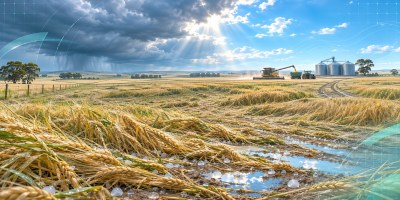

The timing is what makes this event especially confronting. Many broadacre growers had been looking at unusually strong yield potential after favourable seasonal conditions. Hail at this stage does not merely trim production; it can strip heads, shatter pods, flatten crops, delay harvest and leave grain on the ground. Even when some yield remains, growers may still need to run headers through damaged paddocks to manage residue and prepare for next year’s sowing program.
For insurance planning, the Mallee storm highlights the practical difference between having crop insurance and having cover settings that reflect the value actually at risk. Seasonal yield expectations can shift quickly, particularly in a strong year, while policy declarations, insured values, excesses and claim conditions may have been set earlier. If a farmer has taken a conservative view of expected yield or crop value, a payout may not fully match the lost opportunity of an exceptional season.
That does not mean every farm can or should insure every exposure. Crop cover can be expensive, exclusions vary, and some producers make deliberate choices about retaining risk. But the uninsured position is stark after a hail event: if the damaged crop is not covered, the recovery burden sits with the business. For insured growers, the next pressure point is evidence, assessment timing and clear communication with the insurer or broker about affected paddocks, crop type, growth stage and estimated loss.
The hail damage also sits alongside other harvest-season hazards, including the recent Mallee harvest fires, showing how quickly different perils can overlap in the same region. Fire, hail, storm rain, access problems and machinery delays can all affect the final result, and each may be treated differently under policy wording.
Before the next renewal, farm operators may wish to review how crop values are calculated, whether declared hectares and varieties are current, how late-season yield improvements are handled, and what evidence would be needed after a claim. The aim is not to predict every storm, but to reduce the chance that a bumper year becomes an underinsured one.
Please Note: We do not endorse any specific products or companies. Some content is sourced from third parties, including press releases, and may not be independently verified for accuracy or completeness.