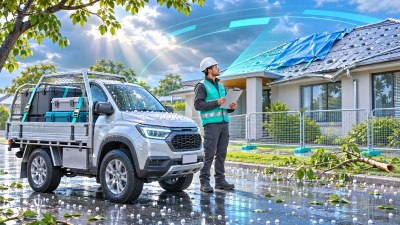

For Australian tradies, the warning is relevant in two ways. First, many trade businesses may have their own exposed assets after hail, wind, water ingress or fallen trees damage utes, trailers, tools, stock, scaffolding, temporary site structures or workshop premises. Secondly, builders, roofers, plumbers, electricians, arborists, glaziers and other repair trades may be asked to attend damaged properties quickly, often before an insurer has completed assessment or approved a scope of works.
A Significant Event declaration helps insurers coordinate and monitor their response, but it does not rewrite policy terms or automatically approve every repair bill. That distinction matters when urgent make-safe work, debris removal or temporary repairs are needed. If a property owner signs with an unauthorised operator who promises the insurer will pay, there may later be disputes about price, necessity, workmanship or whether the work was covered at all.
Trade businesses can reduce avoidable problems by treating storm recovery jobs as both safety work and documentation work. Practical steps include:
- confirming who has authorised the job, whether that is the property owner, insurer, loss adjuster, strata manager or builder;
- keeping photos, dates, job notes and itemised invoices before damaged materials are removed;
- separating emergency make-safe work from permanent repairs where the final scope is still uncertain;
- checking licence, subcontractor, height work, electrical isolation and asbestos or mould risks before starting;
- making sure payment terms are clear, especially where a customer expects reimbursement from an insurer later.
The storm claims also underline why tradies should keep their own risk records current. Portable gear stored in a ute, trailer or temporary job-site area may be treated differently from equipment kept at a fixed business premises, so the details of tools and equipment insurance can matter. The same applies to vehicles used for emergency response or repair work, where commercial vehicle insurance terms, listed drivers, accessories and business-use conditions may affect a claim.
The immediate priority after any severe weather event is safety: avoid live power, unstable structures, contaminated water and unsafe roofs. Once safe access is possible, good evidence and clear authority can make the difference between a straightforward repair process and a drawn-out dispute. For tradies, the lesson from the latest storm claims is not only that demand can spike after severe weather, but that rushed recovery work still needs disciplined paperwork, careful scope control and a clear understanding of who is approving the job.
Please Note: We do not endorse any specific products or companies. Some content is sourced from third parties, including press releases, and may not be independently verified for accuracy or completeness.