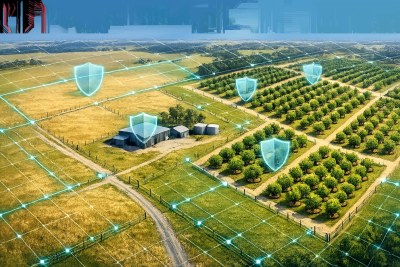

The issue is not that carbon farming is automatically riskier than grazing or cropping. It is that changing part of a working property from livestock, cropping or mixed farming into forestry, environmental planting or carbon sequestration can alter what is exposed to loss. Fire behaviour, access tracks, fencing, pest and weed controls, contractor activity, machinery movements and neighbouring-property interfaces may all look different after a project begins.
That matters for commercial farm insurance because policies are usually built around declared activities, assets, locations and sums insured. A paddock used for grazing may carry a different practical exposure from a planted carbon area with young trees, spraying work, firebreak maintenance, access restrictions or third-party project partners. If those changes are not reflected in policy schedules, disclosure answers or risk information, a future claim may become more complicated than expected.
Farm operators considering carbon income may wish to work through several general questions before planting or signing a project agreement:
- whether the insurer or broker has been told about the proposed land-use change;
- whether new fencing, tracks, water infrastructure, sheds, machinery or technology should be included in asset records;
- whether public liability, contractor liability and visitor access exposures have changed;
- whether fire management plans, access points and emergency water sources are clearly documented;
- whether carbon credit income, restoration costs or contractual penalties are excluded from ordinary farm cover.
There is also an important distinction between insuring physical assets and managing carbon scheme obligations. Under the Australian Carbon Credit Unit framework, sequestration projects can carry long permanence obligations and ongoing monitoring requirements if stored carbon is later affected by events such as fire, flood, pest attack or poor management. Standard farm policies may respond to insured damage to listed property, but they should not be assumed to cover carbon credit losses, regulatory obligations or contractual liabilities unless the wording clearly says so.
For neighbouring producers, large plantings may raise practical questions about fire spread, weed pressure, pests and access across district roads or shared boundaries. Project proponents in the ABC report argued that carbon and forestry projects can involve active management of fire, weeds and pests. Even so, the insurance takeaway is simple: major operational changes should trigger early record updates, policy wording checks and careful discussion before the next renewal, not after a loss has occurred.
Please Note: We do not endorse any specific products or companies. Some content is sourced from third parties, including press releases, and may not be independently verified for accuracy or completeness.