
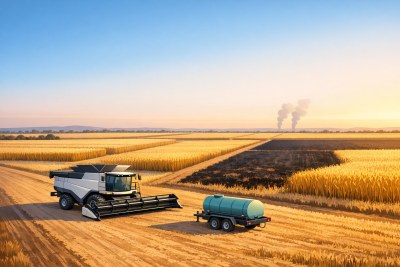
The timing matters. Crops close to harvest can represent months of input costs, seasonal risk and expected income sitting exposed in the paddock. A fire at that stage is not only a production loss; it can affect cash flow, grain contracts, machinery movements, labour plans and next season’s preparation. It also highlights how quickly a local incident can become a regional problem when multiple fires stretch emergency resources.
For insurance purposes, the key lesson is not simply that fire is a covered peril under many rural policies. The practical question is whether the relevant crop insurance section, declared crop values, acreage records, excesses, notification requirements and exclusions match the way the farm is actually operating at harvest. Farmers may also need to consider the boundary between standing crops, harvested grain, machinery, fencing, stored inputs and other property, because different policy sections can respond differently.
- Keep paddock maps, crop type records and expected yield estimates up to date.
- Record photos or drone footage before and after damage where it is safe to do so.
- Document firefighting costs, contractor delays and clean-up work separately.
- Check whether machinery, fencing, hay, fuel and stored grain sit under separate limits.
The CFA’s separate fire danger period updates this week also point to a wider seasonal issue: strong spring growth can create heavy fuel loads that dry quickly as warmer weather arrives. That makes natural disaster preparation more than a pre-summer checklist. Firebreaks, header maintenance, local communications, water access and neighbour response plans can all influence whether a small ignition remains manageable or spreads into a larger loss.
No policy can remove the frustration of losing a strong crop days before harvest, and insurance outcomes will depend on individual wording and evidence. However, these Mallee fires are a timely reminder that renewal conversations should include harvest-stage exposures, not just buildings and machinery. For mixed and broadacre farms, the most useful review is often the one that traces how value moves across the season: from growing crop, to harvested grain, to stored produce and then to sale.
Please Note: We do not endorse any specific products or companies. Some content is sourced from third parties, including press releases, and may not be independently verified for accuracy or completeness.