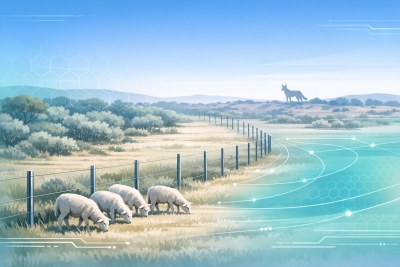

The development is not an insurance story in the narrow sense, but it matters for farm insurance planning because it shows how quickly the operating environment around livestock can change. In August 2026, a Commonwealth legislative instrument determined the Canis familiaris Wilkerr dingo population to be a species for the purposes of the Environment Protection and Biodiversity Conservation Act. The separate question now being assessed is whether that population should be listed as critically endangered, with a decision process expected to run to 2029.
For producers, the immediate issue is uncertainty. A threatened-species outcome could affect control options, permits and management practices, but the final position is not yet settled. ABC Rural reported differing views between farmers, a South Australian biosecurity officer and ecologists about the science, the scale of the population and the balance between conservation and livestock protection. That disagreement is important: insurance and risk planning work best when the underlying exposure is well documented, not assumed.
Farm operators in affected or comparable areas may wish to review several practical matters:
- whether grazing blocks near parks, reserves or corridors are clearly recorded in farm maps and policy schedules;
- how losses from predation, unexplained disappearance, injury, stress or animal welfare destruction are treated under livestock insurance wording;
- whether fencing, guardian animals, night paddocks, carcass disposal, camera monitoring and incident logs are being kept as evidence of reasonable risk controls;
- how changes in legal control methods could affect response plans during lambing, calving or periods of high feed pressure.
One limitation is that many farm policies are not designed to operate like a broad wildlife-risk guarantee. Cover depends on the exact insured event, exclusions, valuation method, reporting requirements and evidence available after the loss. Some costs, such as preventative fencing upgrades or general pest-management work, may sit outside the insurance policy altogether unless specifically covered.
The wider lesson is that environmental regulation, biosecurity management and insurance are increasingly connected on Australian farms. Producers who use a broker can ask how policy wording treats predator-related losses, whether sub-limits apply, and what records would be expected if a claim followed a livestock attack. The Wilkerr decision is years away, but the documentation habits needed to manage this kind of risk are worth building now.
Please Note: We do not endorse any specific products or companies. Some content is sourced from third parties, including press releases, and may not be independently verified for accuracy or completeness.