
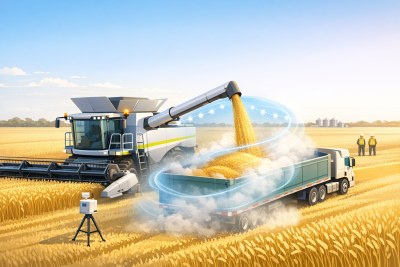
Safe Work Australia’s framework replaces workplace exposure standards with workplace exposure limits for substances that may be present in farm work, including grain dust, phosphine, diesel particulate matter, chemical vapours, welding fumes, mould and smoke. The core duty remains familiar: farm operators must eliminate or minimise risks so far as reasonably practicable and ensure workers are not exposed above the applicable limit. What is changing is the detail of some limits, and for many growers the practical question is how exposure can be measured and documented on a working farm.
The issue has sharpened because implementation is no longer uniform in every respect. SafeWork NSW announced on 28 October 2026 that the new phosphine exposure limit would be delayed until 1 July 2028, with a staged approach for diesel particulate matter. WorkSafe WA has said updated limits will apply from 1 December 2026, while the phosphine limit has been extended to 1 December 2029. Victoria has also provided a three-year transition for 15 substances, including grain dust, phosphine and diesel particulate matter.
Industry concern is strongest around grain dust. Grain Producers Australia has reported high levels of grower uncertainty about measuring and managing the lower grain dust limit, while South East Premium Wheat Growers Association has called for Western Australia to delay the grain dust change until clearer guidance is available. That does not remove the health concern: dust exposure can be a serious long-term worker safety issue, and regulators are clearly focused on prevention rather than waiting for occupational disease claims to emerge years later.
For farm insurance, the point is not that a policy will necessarily pay for compliance work. Safety obligations, penalties and routine risk-control costs are usually separate from the purpose of insurance. The relevance is broader: poor records, unclear contractor arrangements or weak controls can complicate liability questions, workers compensation matters and claims evidence after an incident.
Farm businesses may wish to consider, in general terms:
- checking which limits and transition dates apply in their state or territory;
- mapping dusty or enclosed tasks, including loading, augering, cleaning, chemical handling and workshop jobs;
- recording practical controls such as enclosed cabins, ventilation, maintenance, housekeeping, training and respiratory protection;
- clarifying responsibilities where contractors, seasonal workers or family labour are involved;
- keeping evidence of risk assessments, monitoring advice and worker consultation.
The coming months are likely to bring further guidance and lobbying. Until then, the safest reading for farm operators is that airborne contaminant management is becoming a more visible part of farm risk governance, and insurance reviews should sit alongside, not replace, sound workplace safety planning.
Please Note: We do not endorse any specific products or companies. Some content is sourced from third parties, including press releases, and may not be independently verified for accuracy or completeness.