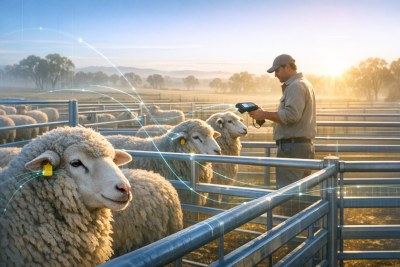
For many farm businesses, eID is being treated as a compliance and biosecurity issue. That is understandable. Faster tracing can help authorities respond more effectively to disease threats, stock movements and market-access concerns. But for insurance planning, the same systems can also strengthen the quality of records behind livestock values, ownership, movements and losses.
That matters because livestock claims are often evidence-heavy. After theft, fire, flood, dog attack, transport loss or other insured events, a producer may need to show what stock was on hand, where it was located, how it was identified and what it was worth. Paper records, memory and broad paddock estimates can leave gaps, particularly where mobs are split across multiple blocks or agistment properties.
Electronic tagging will not remove the need for sound management records, nor will it automatically broaden policy wording. However, it may make it easier for producers to reconcile stock numbers, demonstrate movement history and support a claim file. The real benefit comes when eID data is kept consistently and matched with sale documents, breeding records, veterinary notes and on-farm inventories.
Producers should use the rollout as a prompt to review three areas:
- Whether insured livestock values reflect current market prices, breeding quality and seasonal stocking decisions.
- How quickly stock records could be produced after a loss, especially during a regional emergency.
- Whether policy exclusions, disease conditions, transit limits and theft requirements are clearly understood.
There is also a cost-management angle. Tags, readers, software, training and data administration can become part of the operating environment for sheep and goat enterprises. Where technology is mounted in yards, sheds, vehicles or handling systems, it may need to be considered alongside machinery, plant or contents cover.
As with any change in farm operations, the insurance review should be practical rather than rushed. Producers can estimate the replacement value of key assets, then speak with an adviser or broker about how livestock, equipment, liability and business interruption exposures fit together. The eID transition is primarily about traceability, but it is also a timely reminder that accurate records are one of the strongest tools a farm business has when it needs cover to respond.
Please Note: We do not endorse any specific products or companies. Some content is sourced from third parties, including press releases, and may not be independently verified for accuracy or completeness.