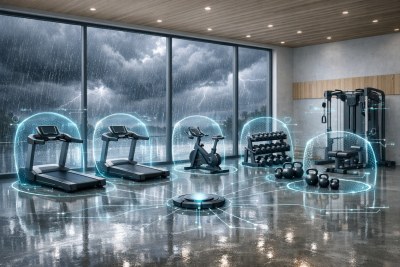
This is particularly relevant as many fitness operators have changed their business model over the past few years. Some now combine in-studio sessions with outdoor bootcamps, mobile personal training, online coaching and casual venue hire. Others have invested in reformer pilates equipment, recovery rooms, smart access systems, mirrors, flooring, sound systems and point-of-sale technology. If a policy was arranged when the business was smaller or simpler, limits and listed assets may no longer reflect today’s replacement costs.
The practical issue is that severe weather can expose several parts of an insurance programme at once. Property cover may respond to damage to insured contents or fit-out, while business interruption may help with lost income after an insured event. Public liability remains important if clients, visitors or neighbouring property are affected by an incident connected to the business. Professional indemnity may also need attention where trainers continue advising clients remotely during disruptions.
For fitness professionals, this story is an extension of the broader underinsurance concern already affecting small business policyholders. A storm-damaged studio is difficult enough; discovering that insured values do not cover current replacement costs can make recovery far harder. Rising labour, materials, freight and specialist equipment costs mean last year’s figures may be out of date.
A sensible pre-summer review should focus on:
- whether all premises, storage locations and portable equipment are listed correctly;
- whether outdoor sessions, pop-up classes and hired facilities are within the business description;
- whether business interruption settings reflect realistic reopening timeframes;
- whether landlord, council or event organiser insurance requirements have changed;
- whether emergency procedures, incident records and client communications are documented.
It is also worth taking time to estimate appropriate sums insured rather than relying on book values or rough guesses. The key is to think in terms of what it would cost to replace, repair and restart now, not what the equipment originally cost.
Severe weather preparation is not just about sandbags and evacuation plans. For a fitness business, it is also about knowing which losses are covered, what evidence would be needed at claim time, and whether policy limits are strong enough to support a genuine recovery.
Please Note: We do not endorse any specific products or companies. Some content is sourced from third parties, including press releases, and may not be independently verified for accuracy or completeness.