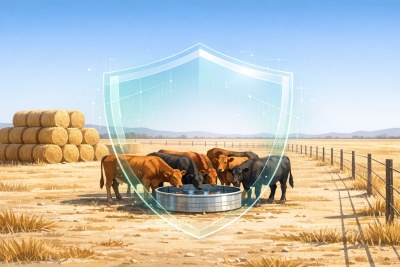
From an insurance perspective, the key lesson is that drought pressure rarely sits in one neat category. It can affect livestock values, fencing and water infrastructure, stored fodder, machinery use, transport decisions, public liability exposures and business cash flow. A dry paddock may start as a production issue, but it can quickly become a whole-farm risk issue if decisions are made under time pressure.
Farmers should be careful not to assume that all drought-related losses are automatically covered. Many policies treat gradual deterioration, lack of feed, poor seasonal growth and ordinary business losses differently from sudden insured events such as fire, storm, theft, accidental damage or specified livestock incidents. That distinction matters. A policy may respond to some events connected with a dry season, while still excluding the broader financial impact of drought itself.
This is why policy wording, livestock schedules and asset values deserve a fresh look before conditions deteriorate further. If stock numbers have changed, if breeders have been retained at higher values, or if feed and hay are being stored in larger volumes than usual, the sums insured may no longer match the real exposure. Producers may also need to consider whether temporary agistment, contract cartage or off-farm storage creates different obligations under their policy.
Good records are also important. Livestock counts, purchase and sale records, fodder inventories, photos of stored hay, machinery maintenance notes and water infrastructure invoices can all help if an insured incident occurs during a difficult season. They also make it easier to assess whether current insurance cover levels are still realistic.
For livestock operations, the current conditions are a reminder to review how livestock insurance fits alongside broader risk controls. Insurance is not a substitute for seasonal planning, but it can form part of a stronger financial safety net when it is matched to the farm’s actual activities, stock movements and asset values.
The most useful step is to review cover before decisions become urgent. Dry seasons reward early planning, clear documentation and a realistic understanding of what a policy can and cannot do.
Please Note: We do not endorse any specific products or companies. Some content is sourced from third parties, including press releases, and may not be independently verified for accuracy or completeness.