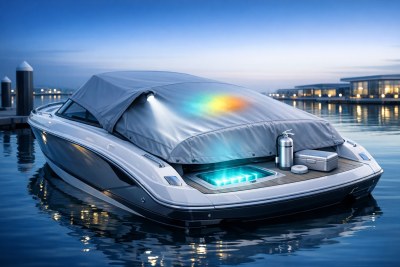

The risk is not that every lithium battery is unsafe. The concern is what can happen when batteries are damaged, poorly charged, exposed to heat, stored near fuel or left unattended in confined spaces. A thermal runaway event can escalate quickly, creating intense heat, toxic smoke and difficult-to-control fire conditions. On a boat, where escape routes may be limited and firefighting resources are constrained, that risk carries both safety and insurance implications.
For boat insurance customers, the practical lesson is to treat battery management as part of vessel risk management. Insurers may look closely at maintenance, safe storage, modifications and whether equipment was used in line with manufacturer instructions when assessing a fire-related claim. If a battery system has been retrofitted, hardwired, upgraded or used to support significant onboard loads, owners should check whether that change affects disclosure obligations, electrical compliance or the insured value of the vessel and accessories.
This is especially relevant for owners of cruisers, yachts, fishing boats and personal watercraft support vessels that now carry multiple devices. It is also important for small commercial operators, including charter and fishing tour businesses, where passenger safety, business interruption and liability exposures can add complexity beyond damage to the hull itself.
Key precautions include:
- using chargers supplied or recommended by the manufacturer;
- charging batteries in a ventilated area away from fuel, soft furnishings and escape paths;
- checking for swelling, corrosion, water ingress or impact damage;
- avoiding unattended overnight charging where possible;
- keeping batteries out of extreme heat and direct sun when stored;
- recording major electrical upgrades and retaining invoices or installation details.
The insurance angle is not limited to fire damage. Battery-related incidents can involve salvage, clean-up, marina damage, third-party property loss and personal injury. That makes it important to read the policy wording, including exclusions for wear and tear, gradual deterioration, unapproved modifications and unattended operation.
Owners should also revisit their accessories and equipment values. Rechargeable marine gear can be expensive, and recent upgrades may not be reflected in an old schedule. Before renewal, it may be useful to estimate an appropriate sum insured so the hull, motors, trailer, electronics and onboard equipment are not understated.
Battery technology is here to stay, but safer habits and clearer insurance records can reduce the chance of a preventable loss turning into a disputed claim.
Please Note: If this information affects you or is relevant to your circumstances, seek advice from a licensed professional.