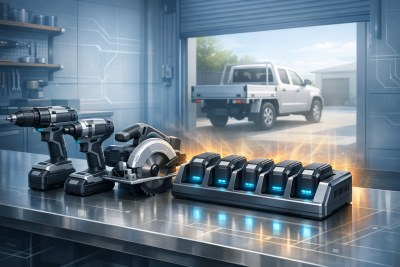

The issue is not that tradies should avoid battery-powered tools. For many trades, they are essential for productivity and mobility. The practical point is that batteries can fail if they are damaged, overheated, poorly charged, stored incorrectly or paired with unsuitable chargers. A fire that starts in a ute, van, garage, shed or workshop can quickly become much bigger than the cost of one tool.
For small trade businesses, the insurance angle is straightforward: the way tools and batteries are stored, transported and charged can affect both the likelihood of a claim and the evidence needed if something goes wrong. A damaged battery left charging overnight near flammable materials may create a very different claims conversation from a well-documented setup with compliant chargers, clear storage practices and regular checks.
This also links to sums insured. Many tradies add tools gradually over years, which means the replacement value of a kit can be far higher than expected. If batteries, chargers and specialist equipment are not included in your asset list, your cover may not reflect the real cost of getting back to work. It is worth taking time to estimate realistic replacement values before renewal, especially if your crew has grown or you have upgraded to higher-end cordless systems.
Good risk management does not need to be complicated. Useful steps include:
- Using manufacturer-approved chargers and avoiding damaged leads or battery casings.
- Charging batteries in a clear, ventilated area away from fuels, solvents, timber dust and packaging.
- Avoiding overnight charging where there is no supervision or fire detection.
- Keeping purchase records, serial numbers and photos of major tools and battery systems.
- Checking whether tools are covered in vehicles, on site, in transit and at your workshop.
The bigger lesson is that tool insurance is not only about theft from a locked ute. Fire, accidental damage, storage conditions, exclusions and sub-limits can all matter. If your setup includes a workshop, employees, subcontractors or multiple vehicles, an insurance broker can help review how public liability, tools, contents and vehicle cover work together.
Battery-powered tools are here to stay. Treating them as part of your wider business risk plan can help protect your equipment, your cash flow and your ability to keep jobs moving after an unexpected incident.
Please Note: If this information affects you or is relevant to your circumstances, seek advice from a licensed professional.