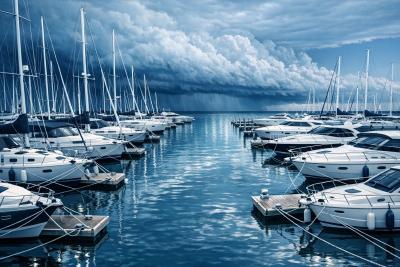

The practical issue is that boat losses are often complicated. A damaged hull may be only one part of the claim. Motors, electronics, trailers, mooring equipment, tenders, fishing gear and safety equipment can all be affected in the same event. If the vessel is stored at a marina, in a yard, on a swing mooring or on a trailer at home, different policy conditions may apply. That makes reviewing boat insurance before peak weather season far more useful than trying to interpret exclusions after a storm has already passed.
For insurers, preventable loss is also becoming a bigger focus. Secure storage, sound mooring arrangements, serviced bilge pumps, working batteries, weather monitoring and documented maintenance can all influence how smoothly a claim progresses. Boat owners should photograph the vessel, trailer, motor serial details and major accessories, then store those records somewhere accessible if the boat or documents are damaged. It is also sensible to recheck insured values, especially after upgrades, new electronics, engine work or rising replacement costs.
Owners should pay close attention to a few policy areas before storm season intensifies:
- whether cover applies while the boat is moored, stored ashore, trailered or in transit;
- any named cyclone, storm surge, flood or geographical restrictions;
- requirements for moorings, marina storage, security devices and maintenance;
- limits for accessories, personal effects, fishing gear and safety equipment;
- salvage, wreck removal and emergency towing provisions.
The message for Australian boaters is clear: preparedness is no longer just about avoiding damage; it is about being able to prove what was owned, how it was maintained and whether policy conditions were met. With weather volatility remaining a major concern for insurers, the best time to clarify cover is while the forecast is still calm. A short review now may prevent a costly dispute later.
Please Note: If this information affects you or is relevant to your circumstances, seek advice from a licensed professional.