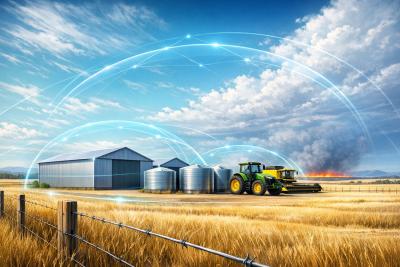

For farm businesses, the insurance issue is broader than whether a dwelling is covered. Fences, sheds, workshops, pumps, tanks, hay, stored grain, machinery and livestock infrastructure may all sit in the fire path. Some items are obvious on a schedule; others are easily missed or insured for values that no longer reflect replacement costs. Inflation in building materials, freight, labour and fencing components can quickly turn an old sum insured into a shortfall after a major loss.
This is where pre-season planning matters. Farmers should check whether their policy distinguishes between buildings, contents, farm improvements, mobile plant, fencing and produce. They should also confirm whether hay and grain are covered in storage, in transit, or only at nominated locations. Where equipment is moved between blocks, contractors’ yards or lease country, location limits and unattended machinery conditions can become important.
Fire risk also raises liability questions. Controlled burns, machinery operations in dry paddocks, hot works, slashing, harvest activity and vehicles on stubble can all create ignition risks. Even where a farm is not directly damaged, a fire that starts on or moves through a property can lead to third-party claims involving neighbouring fences, pasture, livestock or structures. Farm liability insurance should be reviewed alongside property cover, not treated as a separate afterthought.
A useful review starts with updated asset records. Photos, serial numbers, purchase receipts, maintenance logs and realistic replacement estimates can support a smoother claim. It is also worth reviewing sums insured for fencing, yards, irrigation systems and machinery attachments, as these categories are often rebuilt item by item after an event.
Risk reduction can also influence the quality of an insurance conversation. Firebreak maintenance, cleared access tracks, water points, vegetation management around sheds, safe fuel storage and documented machinery servicing all help demonstrate active risk management. They may not remove the hazard, but they can make a property easier to defend and a claim easier to evidence.
With seasonal conditions shifting quickly, farmers should speak with an insurance broker or adviser before the fire season intensifies. The aim is not simply to buy more cover, but to make sure the cover matches the way the farm actually operates.
Please Note: If this information affects you or is relevant to your circumstances, seek advice from a licensed professional.