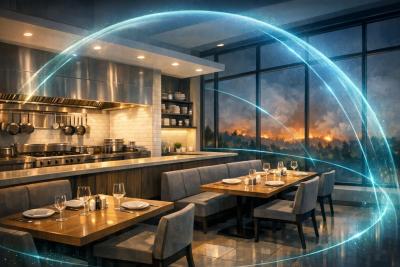

For venue owners, that detail matters. Restaurants and cafés often hold significant value in fit-outs, kitchen equipment, refrigeration, point-of-sale systems, stock and outdoor dining infrastructure. A fire does not need to reach the front door to disrupt trade. Smoke contamination, power interruptions, road closures, evacuation orders, supplier delays and damage to nearby buildings can all place pressure on revenue and recovery time.
The January fires affected central and northern Victoria and were described as the state’s most severe bushfire event since the Black Summer period. The revised loss estimate also shows how catastrophe costs can keep developing well after the flames are out, as claims are assessed, repairs are scoped and business impacts become clearer.
For restaurants, this is where policy detail becomes critical. Property cover may respond to physical damage to insured premises, contents and equipment, but business interruption cover usually depends on the wording, triggers, waiting periods and whether the relevant damage is at the insured location or elsewhere. Stock deterioration may also require specific attention, especially where refrigerated goods are exposed to heat, smoke or power failure.
Hospitality operators should treat this update as a prompt to review whether their sums insured still reflect today’s rebuilding, repair and replacement costs. Inflation in materials, specialist trades, equipment and temporary relocation expenses can leave older limits out of step with current reality. If a venue has renovated, expanded seating, added delivery vehicles or invested in new equipment, the insurance schedule should be checked against those changes.
Key areas worth reviewing include:
- building, contents and fit-out values;
- restaurant stock insurance limits, including refrigerated and perishable goods;
- business interruption cover, indemnity periods and gross profit calculations;
- cover for prevention of access, utilities interruption and supplier disruption;
- commercial vehicle insurance for delivery or catering vehicles; and
- risk controls such as maintenance, fire safety systems and emergency planning.
The broader lesson is not simply that bushfire losses are costly. It is that recovery depends on the match between the risk a venue actually faces and the cover it has arranged. Owners who are unsure whether their policy reflects their current operations may benefit from reviewing restaurant insurance coverage before the next high-risk season.
As conditions become more volatile, a proactive insurance review can help hospitality businesses protect revenue, preserve cash flow and reopen sooner after a major disruption.
Please Note: If this information affects you or is relevant to your circumstances, seek advice from a licensed professional.