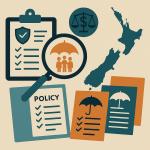

The concern is not only that some businesses are knowingly underinsured. The bigger issue is that many owners may not be checking often enough to know. Earlier index findings showed only a minority of businesses review their sums insured every year, while the 2026 research points to a heavy reliance on informal or ad hoc risk management. In a trading environment where cash flow is tight, it is easy for insurance to become a renewal task rather than a strategic review.
That approach can be risky for shop owners because the values sitting inside a policy can move quickly. Fit-outs, refrigeration, point-of-sale systems, shelving, signage, seasonal inventory and specialist equipment may all cost more to replace than they did a year or two ago. Even modest increases in construction and material costs can widen the gap between what a policy lists and what a claim actually requires.
Revenue pressure adds another layer. The latest SME data also indicates many businesses have experienced lower revenue, with micro businesses particularly exposed. When takings fall, owners may understandably look for ways to reduce expenses. But lowering cover, skipping optional sections or carrying outdated limits can turn a short-term saving into a major financial shock if fire, storm damage, theft, liability claims or equipment breakdown interrupts trade.
For retailers, the lesson is to treat insurance as part of business continuity planning, not just compliance. A useful review should consider:
- whether stock values reflect peak trading periods, not just average inventory;
- whether business interruption cover matches realistic recovery times;
- whether public liability limits reflect customer foot traffic and lease obligations;
- whether property, glass, theft and equipment cover align with today’s replacement costs; and
- whether exclusions are clearly understood before a claim occurs.
This is also a timely opportunity to compare shop insurance options against the way your business operates now, not how it looked at the last renewal. Where the numbers are unclear, speaking with insurance brokers can help business owners test assumptions, update sums insured and identify gaps before they become expensive claim problems.
Please Note: If this information affects you or is relevant to your circumstances, seek advice from a licensed professional.