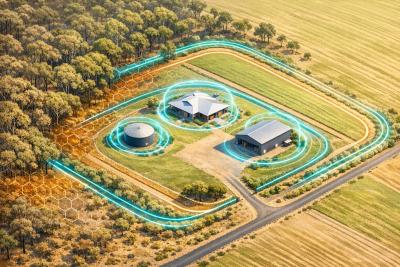

The scheme, developed by the Resilient Building Council, allows householders to assess bushfire exposure and identify practical upgrades that may reduce risk. Reported premium benefits have varied widely, with some households achieving modest annual savings and others seeing larger reductions where verified improvements materially changed their risk profile. The important point for farmers is not that every property will receive a discount, but that insurers are increasingly looking for evidence of resilience, maintenance and hazard reduction.
For family farms, the homestead is often only one part of a much broader risk picture. Machinery sheds, hay storage, fencing, fuel, livestock yards, workers’ accommodation and access roads can all affect how a fire event plays out. A bushfire rating tool designed for homes will not replace a full farm risk review, but it may give rural households a useful framework for thinking about defendable space, ember protection, building materials, water access and ongoing maintenance.
The next phase could be even more relevant. A proposed national multi-hazard self-assessment app is being considered for risks including storm, flood and heatwave, with a possible launch in mid 2027 if funding is secured. That direction aligns strongly with what many producers already know from experience: one season’s main concern may be fire, while the next may be flood, hail, drought stress, power failure or extreme heat.
Farmers reviewing cover should treat resilience work and insurance placement as connected decisions. Before renewal, it is worth documenting mitigation measures, retaining invoices and photos, checking sums insured, and confirming whether improvements can be recognised by the insurer. Where a property combines domestic, commercial and agricultural exposures, it can also help to compare farm insurance options rather than assuming a standard rural home policy is enough.
The broader message is clear: affordability is no longer just about shopping for a cheaper premium. It is also about showing that a property is actively managed, maintained and prepared for worsening natural hazard conditions. If your farm includes bushfire-prone land, older buildings or mixed-use infrastructure, now is a timely moment to talk with a broker about how resilience measures, policy wording and claims expectations fit together.
Please Note: If this information affects you or is relevant to your circumstances, seek advice from a licensed professional.