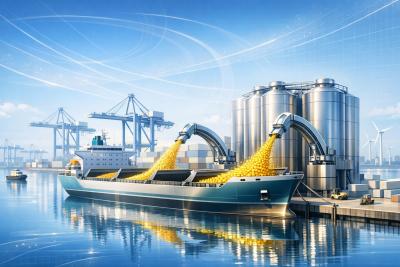

For the grain and oilseed industries, the FTA brings promising developments. Tariffs on wheat and meslin, previously up to $166 per tonne, are set to be eliminated over five years. Similarly, potential tariffs on durum wheat, which could reach up to $259 per tonne during periods of low EU prices, will also be removed. These changes are expected to enhance the competitiveness of Australian grain exports in the European market, potentially leading to increased trade volumes and better prices for producers.
Additionally, the agreement includes provisions for value-added products such as ethanol and wheat gluten, which are poised to benefit from improved market access. This could stimulate growth in Australia's processing industries, adding value to raw agricultural products and creating new economic opportunities.
However, not all sectors stand to gain equally. The rice industry, for instance, has expressed disappointment with the FTA, citing a lack of commercially meaningful market access. Despite Australia's efforts, the agreement does not provide significant concessions for rice exports, leaving the industry to navigate existing trade barriers.
Beyond specific commodities, the FTA also addresses broader trade facilitation measures. Tariffs on EU imports of agricultural machinery and chemicals into Australia will be reduced to zero. This could lower input costs for Australian farmers, enabling access to more affordable and advanced equipment and products, thereby enhancing productivity and efficiency.
While the FTA presents clear benefits, it also underscores the need for Australian producers to remain vigilant and adaptable. The removal of tariffs will likely intensify competition in the EU market, necessitating a focus on quality, sustainability, and innovation to maintain and expand market share.
In conclusion, the Australia-EU Free Trade Agreement offers a mixed landscape for the agricultural sector. While grain and oilseed producers are poised to benefit from improved market access and reduced tariffs, challenges remain for industries like rice. As the agreement comes into effect, ongoing engagement and strategic planning will be crucial for Australian agriculture to fully capitalize on the opportunities presented.
Please Note: If this information affects you or is relevant to your circumstances, seek advice from a licensed professional.