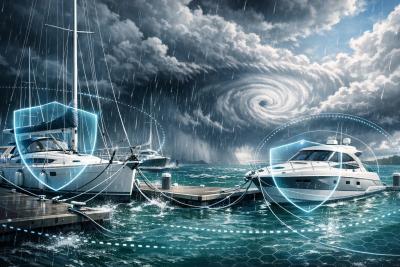

Industry experts have noted that the frequency and severity of such weather events are making it increasingly difficult to obtain hull coverage for vessels operating in these high-risk areas. The volatility of weather over this side of the country, with ongoing storms which have been costly, has been a significant concern. This sentiment reflects a broader trend where insurers are becoming more cautious, leading to tighter capacity and higher premiums for marine hull insurance in cyclone-prone regions.
Data from global insurance brokers indicate a notable rise in weather-related claims, with extreme weather being a factor in several vessel losses globally in recent years. This trend underscores the pressing need for the marine insurance industry to adapt to the realities of climate change and its impact on weather patterns.
For boat owners and operators in Northern Australia, this evolving landscape necessitates proactive engagement with insurance brokers to explore available coverage options. It also highlights the importance of implementing robust risk mitigation strategies, such as securing vessels during cyclone seasons and adhering to stringent maintenance protocols, to enhance insurability and manage potential premium increases.
In conclusion, Cyclone Narelle serves as a stark reminder of the challenges posed by severe weather events to the marine insurance industry. Stakeholders must collaborate to develop innovative solutions that address these challenges, ensuring that marine operations in Northern Australia remain viable and adequately protected against the increasing risks associated with climate change.
Please Note: If this information affects you or is relevant to your circumstances, seek advice from a licensed professional.