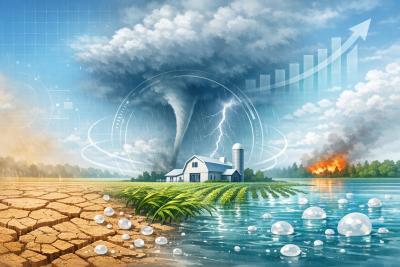

According to IAG's findings, severe storms, including hailstorms, are becoming more common in densely populated regions of southern Australia. This trend is attributed to changing atmospheric conditions that favour the development of such storms. Additionally, the report indicates that bushfire risks are escalating due to hotter, drier conditions, while tropical cyclones are expected to become more intense and affect areas further south than previously observed.
For farm owners and operators, these developments underscore the importance of comprehensive insurance coverage that accounts for the heightened risks associated with climate change. The agricultural sector is particularly vulnerable to extreme weather events, which can lead to significant financial losses if adequate insurance is not in place.
To mitigate these risks, farmers should consider the following steps:
- Review existing insurance policies to ensure they provide coverage for a range of climate-related events, including storms, floods, and bushfires.
- Implement risk management practices, such as diversifying crops, investing in resilient infrastructure, and adopting sustainable farming techniques to reduce vulnerability to extreme weather.
- Stay informed about local climate projections and adjust farming practices accordingly to minimise potential impacts.
Engaging with insurance providers who have expertise in agricultural coverage can also provide valuable insights into policy options that offer the best protection against climate-related risks. By proactively addressing these challenges, farmers can safeguard their operations and contribute to the overall resilience of the agricultural sector in the face of a changing climate.
Please Note: If this information affects you or is relevant to your circumstances, seek advice from a licensed professional.